
TL;DR
Manufacturers unveiled a new generation of RGB LED–backlit televisions at CES 2026, promising wider color coverage and high peak brightness. Early demos suggest notably improved color fidelity, but real-world testing and content support remain limited.
What happened
At CES 2026, major TV makers including Hisense, Sony, Samsung and LG unveiled consumer models using RGB LED backlighting (also marketed as Micro RGB or RGB Mini LED). Unlike traditional white backlight arrays, RGB LEDs can illuminate screen zones with red, green or blue light, allowing more precise color rendering and higher theoretical peak brightness than prior LED designs. Wired reports that these panels can reproduce the full BT.2020 color gamut in demos, which enables shades previously unreachable on earlier LED sets. The technology is being billed as the first meaningful generation of RGB LED TVs for consumers, but reviewers have not yet had extensive units for lab testing. Engineers and panel rivals note potential downsides—color bleed between channels and the lingering risk of backlight blooming—so independent measurements and longer-term testing are still needed to confirm manufacturers’ claims.
Why it matters
- RGB backlighting could raise color accuracy beyond current LED TVs by adding color control to the backlight itself.
- Higher peak brightness may help LED TVs compete with OLED in bright-room viewing.
- Support for the BT.2020 gamut sets a technical foundation for richer color in future content.
- Early reports suggest benefits, but practical trade-offs (bleed, blooming, processing) will determine real-world value.
Key facts
- Major brands announced RGB LED TV models at CES 2026: Hisense, Sony, Samsung and LG.
- RGB LED is also referred to as Micro RGB or RGB Mini LED.
- RGB backlighting lets zones illuminate the panel with red, green or blue rather than only white.
- Demos have shown the capability to cover 100 percent of the BT.2020 color space.
- RGB LEDs promise higher theoretical peak brightness than many OLED panels.
- Potential issues include color bleed between green and blue channels and traditional LED blooming around bright elements.
- Content that fully exploits BT.2020 color is currently limited, often found in animated titles.
- Wired has seen impressive demos at CES but has not yet received review units for extended testing.
What to watch next
- Independent lab and editorial reviews that quantify color accuracy, blooming, and channel bleed in real-world viewing.
- How quickly streaming services and studios produce content mastered to the BT.2020 gamut, and whether that content becomes widely available.
- Retail availability, model tiers and pricing for RGB LED TVs across manufacturers — not confirmed in the source.
- Long-term reliability data, including whether new backlight designs introduce unexpected artifacts or longevity issues — not confirmed in the source.
Quick glossary
- RGB LED: A backlight architecture that uses red, green and blue LEDs to illuminate zones behind a display, enabling colored illumination rather than only white light.
- BT.2020: A wide color gamut standard that defines a larger range of reproducible colors than older television color spaces.
- Mini LED: A backlighting approach that uses many small white LEDs to create numerous local dimming zones for improved contrast compared with traditional edge-lit designs.
- OLED: A display type where each pixel emits its own light, allowing per-pixel control of brightness and deep blacks without a separate backlight.
- Blooming: A visual artifact where light from bright areas on an LCD with local dimming leaks into adjacent dark areas, reducing perceived contrast.
Reader FAQ
Are RGB LED TVs already shipping to consumers?
Manufacturers announced consumer RGB LED models for 2026, but Wired had not yet received widespread review units at the time of reporting.
Do RGB LED TVs outperform OLED in every way?
Not confirmed in the source. The article notes RGB LEDs can reach higher theoretical brightness and may offer superior color gamut coverage, while OLEDs have historically excelled at per-pixel blacks and have improved brightness in recent generations.
Will existing streaming and movie content benefit immediately?
Not really; content mastered to use BT.2020 is currently limited, so visible benefits depend on the material being viewed.
Should I upgrade my TV now?
For most viewers, Wired suggests slightly better color and brighter panels alone aren’t a compelling reason to rush out; independent testing and broader content support will clarify value over time.
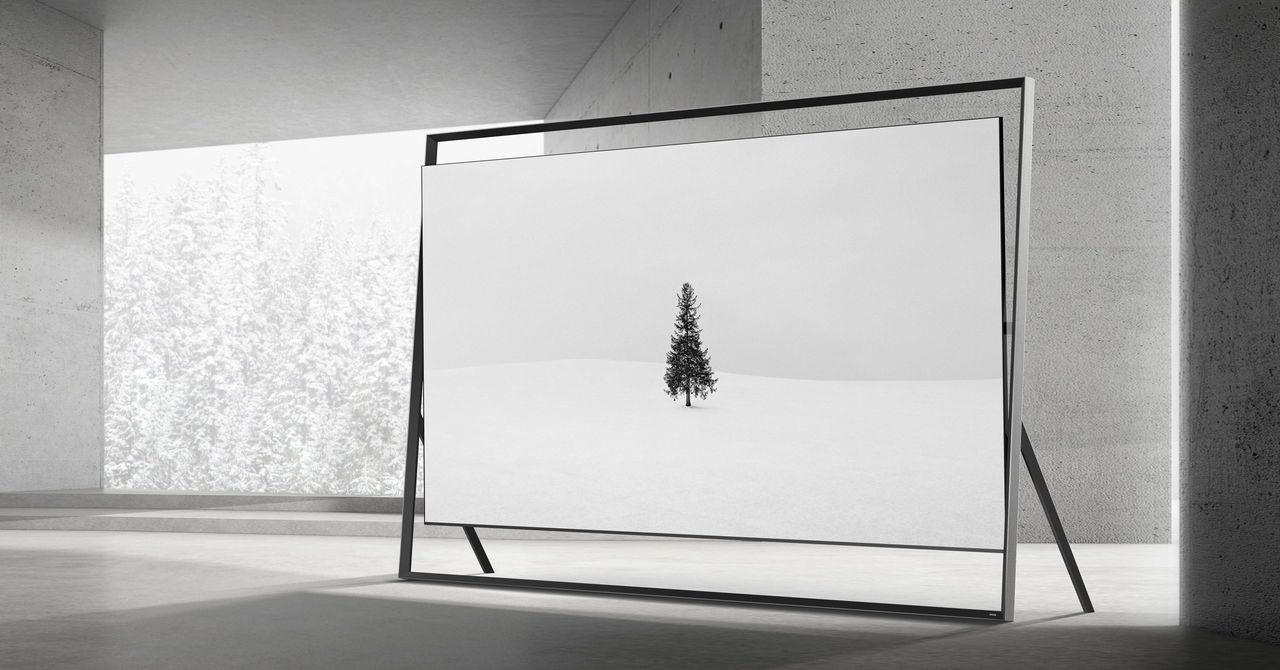
PARKER HALL GEAR JAN 8, 2026 7:00 AM 2026 Is the Year of the RGB LED TV The crop of next-generation TVs arriving this year has more accurate colors than…
Sources
- 2026 Is the Year of the RGB LED TV
- CES: New TV tech from Samsung, LG promises brighter …
- Hisense Pioneers the Evolution of RGB MiniLED at CES …
- Hisense Adds Groundbreaking Fourth Sub-Pixel Color To …
Related posts
- Premium TV performance gap narrows as TCL and Hisense close in
- Tried ditching Google Maps — missing small features pulled me back
- PreEvnt Issac: A Necklace-Style, Noninvasive Continuous Glucose Monitor