
TL;DR
After several years of missteps, Google’s Pixel program showed clear improvement in 2025: hardware stabilized, software matured with Material 3 Expressive on Android 16, and early sales for the Pixel 10 are stronger year over year. The company still faces areas to refine—most notably gaming performance—but the overall trajectory is positive.
What happened
The Pixel line moved past earlier reliability and vision problems that affected models like the Pixel 6 and 7, which suffered from fingerprint issues, patchy updates and thermal inefficiencies in first-generation Tensor chips. Improvements began with the Pixel 8 and continued through the Pixel 9, and the Pixel 10 is presented as the most consistent package yet. Hardware upgrades include higher-quality Super Actua displays and a more efficient Tensor G5 system-on-chip; the reviewer reports no overheating on the Pixel 10 and notes better battery life compared with prior generations. On the software side, Android 16’s Material 3 Expressive is highlighted as a meaningful refinement that complements Pixel hardware. Google also kept delivering feature updates — the November Feature Drop and a December update brought incremental functionality such as a Power Saving Mode in Google Maps. Early indications show higher Pixel 10 sales and fewer large-scale satisfaction problems than in earlier cycles.
Why it matters
- Greater device consistency can rebuild customer trust after earlier Pixel reliability issues.
- Stronger software design (Material 3 Expressive) helps differentiate Pixel devices beyond raw specs.
- Longer update support and steady feature drops increase the long-term value proposition.
- Hardware and battery improvements reduce some of the usability complaints that held Pixels back.
- Gaming performance remains a visible shortcoming that could influence some buyers.
Key facts
- Past Pixel problems included faulty fingerprint readers, spotty updates, and an overheating first-gen Tensor.
- Improvements were first notable with the Pixel 8 and carried through the Pixel 9 lineup.
- The Pixel 10 uses Google’s Tensor G5 SoC; the reviewer reports smooth performance and no overheating.
- Display quality improved with Google’s Super Actua panels and battery life is better than earlier generations.
- Material 3 Expressive on Android 16 is credited with a more polished, playful software experience.
- Google issued a November Pixel Feature Drop and a December update adding features like Power Saving Mode in Google Maps.
- Pixel 10 hardware specs cited: 12GB RAM, 128GB/256GB storage options, and a 4970mAh battery.
- Pixel 10 highlights also include Gemini features, a 5x telephoto lens, and seven years of updates.
- Early reports indicate Pixel 10 sales are up year over year and the reviewer did not observe mass returns.
- Retail pricing listed for the Pixel 10 in the source: $799 at Amazon, Google Store, and Best Buy.
What to watch next
- Whether Google narrows the performance gap for demanding mobile gaming workloads and GPU-heavy tasks.
- How sustainable Pixel sales will be beyond initial launch promotions and carrier/trade-in programs (not confirmed in the source).
- Whether Google can maintain update cadence and software polish across future Tensor generations.
Quick glossary
- Tensor (SoC): Google’s custom system-on-chip designed to handle CPU, GPU and AI-related workloads in Pixel phones.
- Material 3 Expressive: An evolution of Android’s visual language emphasizing personalization, animation and refined UI elements.
- Feature Drop: A periodic update bundle from Google that delivers new Pixel features and improvements outside major OS releases.
- Telephoto lens: A camera lens with a longer focal length used to capture distant subjects with optical zoom.
- OTA update: Over-the-air software update delivered to devices wirelessly to add features, fixes or security patches.
Reader FAQ
Is the Pixel 10 overheating like earlier Pixel models?
According to the reviewer, the Pixel 10 with the Tensor G5 did not exhibit overheating issues.
Does Pixel 10 offer good battery life?
The source reports improved battery life compared with earlier generations, aided by a more efficient SoC.
Is the Pixel 10 recommended for people switching from iPhone?
The reviewer says Pixel 10’s software and design make it a phone they would recommend to some iPhone switchers.
Are Pixel 10 sales growth and customer satisfaction driven only by carrier incentives?
The source disputes that carrier programs are the sole cause and notes sales are up year over year, but long-term causes are not fully detailed.
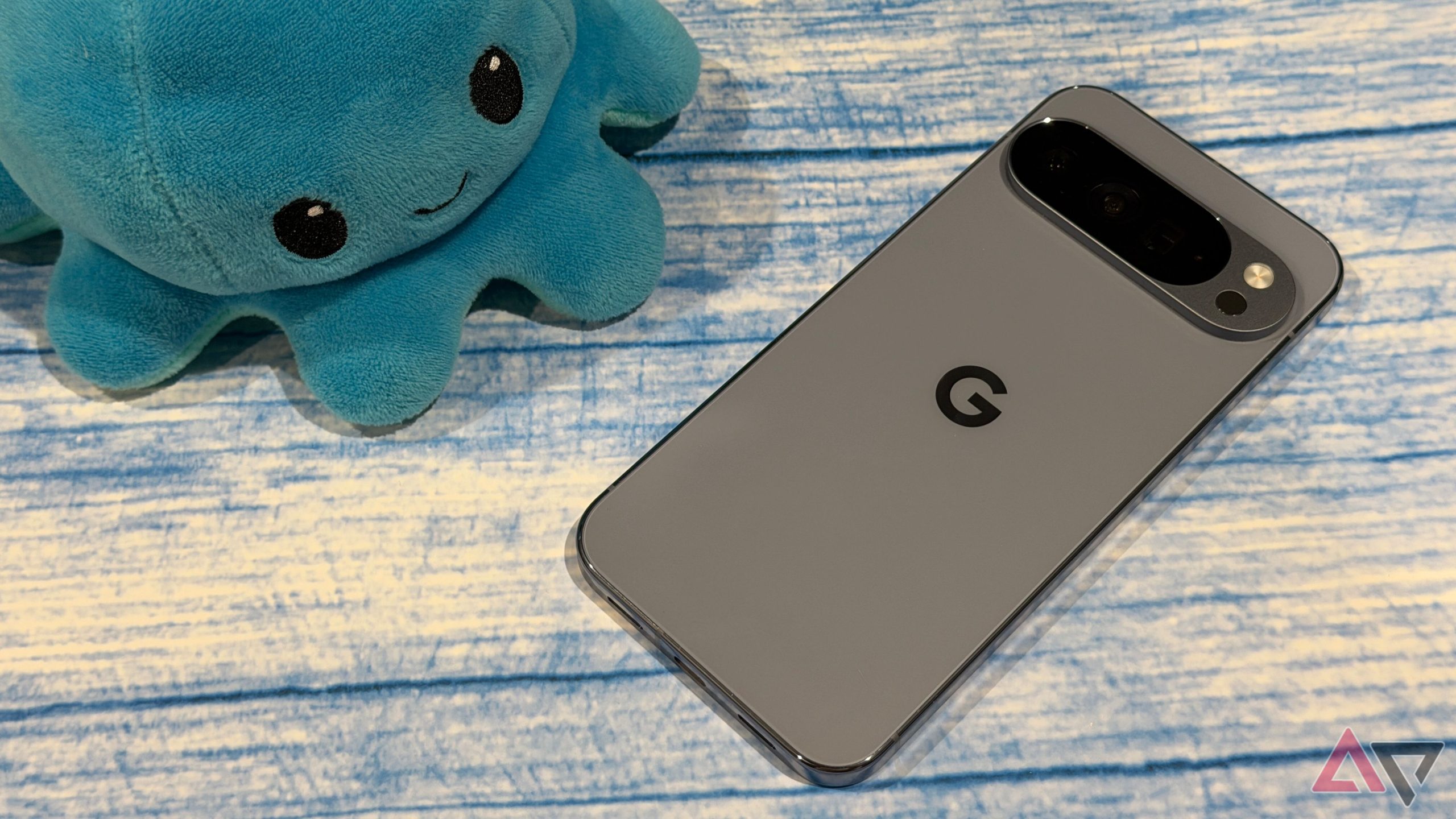
I'm sorry — Google had a better year than you're willing to admit By Stephen Radochia Published 24 minutes ago When Mitsubishi made your first cellphone, you know you’ve been…
Sources
- I'm sorry — Google had a better year than you're willing to admit
- What could've been Google's worst year turned into one of …
- Letter from Birmingham Jail
- Google's bad year just got worse: Morning Brief
Related posts
- New York to Require Social Platforms to Display Mental Health Warnings
- Snapdragon 8 Elite Gen 5 vs. Exynos 2600: Battle for 2026 flagship SoCs
- Pixel 10’s Qi2 rollout cripples older wireless chargers and car pads