
TL;DR
Amid the current AI-driven funding cycle, founders are increasingly promoting their college-dropout status during Y Combinator Demo Day pitches. Investors remain divided: some interpret dropping out as a signal of commitment, while others emphasize experience, networks, and maturity.
What happened
During recent Y Combinator Demo Days and in the broader AI startup wave, more founders have been highlighting that they left school before completing degrees. Industry observers say this 'dropout' label has resurfaced as a sought-after credential — seen by some investors and founders as proof of conviction and urgency to build. At the same time, data and multiple studies cited in coverage indicate that most successful startup founders historically held bachelor’s or graduate degrees. High-profile examples from the AI cohort include leaders who did complete degrees, while there are also notable dropouts who left prestigious programs to found startups. Some prospective founders have acted on fear of missing the AI-building window, with at least one account of a student abandoning a degree in a final semester. Venture capitalists differ in their reactions: some downplay whether a founder finished school and point to university networks, while others prefer experienced founders and caution against equating dropout status with an advantage.
Why it matters
- Signals and narratives matter: founder biographies are being used as shorthand to convey grit and urgency to investors.
- Perception of timing in the AI cycle is driving career decisions, potentially accelerating founder entry into startups.
- Investor emphasis is inconsistent—some value the dropout narrative while others prioritize experience, networks, or demonstrated wisdom.
- Decisions by students to leave degrees could affect university pipelines, talent networks, and longer-term founder development.
Key facts
- The dropout-as-credential trend has been especially visible at recent Y Combinator Demo Days where founders mention leaving school in short pitches.
- Multiple studies indicate that most successful startups have founders with bachelor’s or graduate degrees.
- Katie Jacobs Stanton of Moxxie Ventures observed anecdotally that many recent founders highlight having dropped out of college, grad school, or even high school.
- Some prominent AI-wave founders nevertheless completed degrees—examples cited include an MIT graduate and a Harvard graduate among startup leaders.
- There are reported cases of students leaving elite universities late in their programs because they feared a diploma would hurt fundraising prospects.
- Yuri Sagalov of General Catalyst says he does not weigh graduation status heavily for late-stage students and emphasizes the value of university networks.
- Wesley Chan of FPV Ventures prefers older founders who bring 'wisdom' and scars from prior experience, and is less keen on investing based solely on dropout status.
- Observers describe the appeal of dropout founders as cyclical rather than a permanent shift in investor preferences.
- Not all venture firms or investors uniformly reward a lack of formal credentials; reactions vary across the ecosystem.
What to watch next
- Whether the dropout-as-credential trend persists after the current AI funding surge: not confirmed in the source
- If venture firms begin to systematically track founders' education status to measure any correlation with outcomes: not confirmed in the source
- How universities and student communities respond to potential increases in late-stage degree departures: not confirmed in the source
Quick glossary
- Y Combinator (YC): A startup accelerator that invests in early-stage companies and hosts Demo Days where founders pitch to investors.
- Demo Day: An event at the end of an accelerator program where startups present their products and teams to potential investors.
- Venture capital (VC): A form of private equity financing provided by firms or funds to startups with high growth potential in exchange for equity.
- Dropout: A person who leaves an educational program before completing the formal degree or credential.
- AI boom: A period of rapid investment, startup formation, and product development centered on artificial intelligence technologies.
Reader FAQ
Are most successful startup founders college dropouts?
No. Multiple studies referenced indicate that the majority of successful startup founders held bachelor’s or graduate degrees.
Is Y Combinator officially tracking dropout status among founders?
According to an industry observer quoted, YC does not formally track dropout status.
Do investors uniformly prefer dropout founders right now?
No. Some investors view dropout status positively as a sign of commitment, while others emphasize experience, networks, or maturity.
Should students leave school now to start AI companies?
Not confirmed in the source
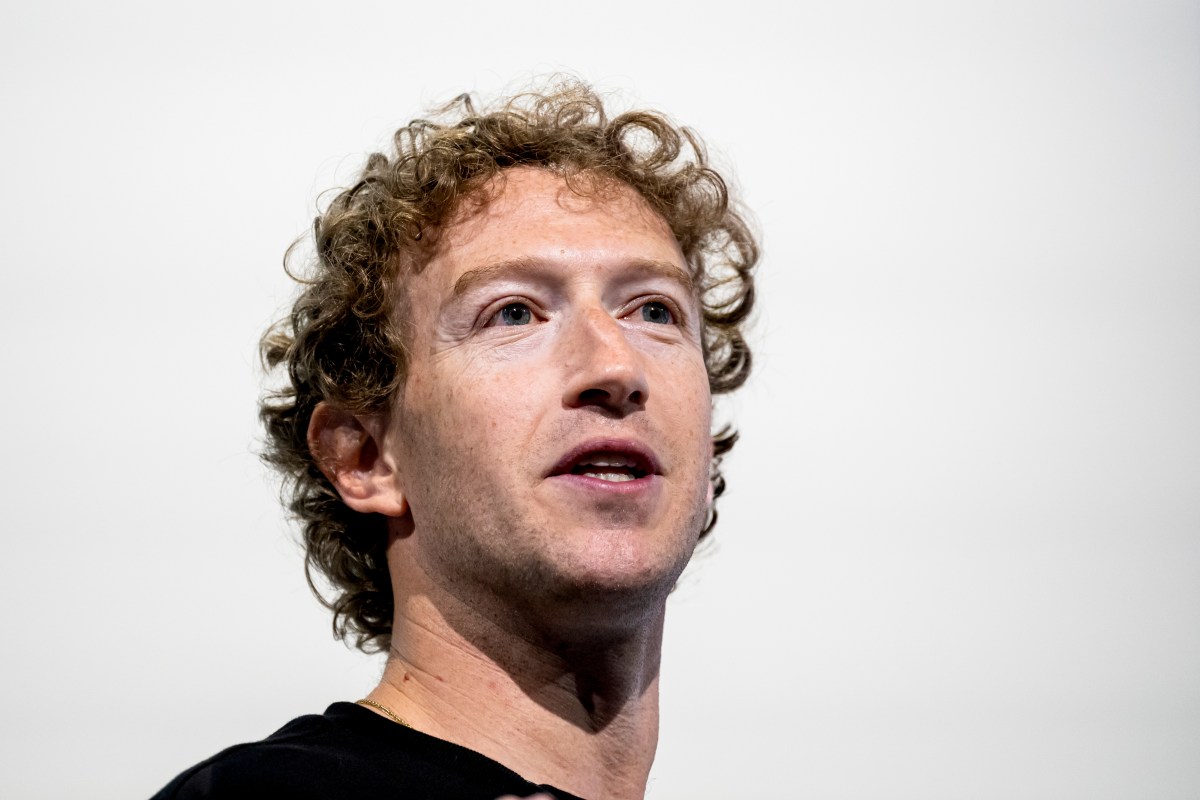
Although iconic founders like Steve Jobs, Bill Gates, and Mark Zuckerberg famously didn’t finish college, multiple studies show that the vast majority of successful startups had founders with bachelor’s or graduate degrees….
Sources
- ‘College dropout’ has become the most coveted startup founder credential
- Why are high school and university dropouts among the most …
- Business lesson by Jeff Bezos for startup success …
- Inside Silicon Valley's anti-college movement
Related posts
- GoGoGrandparent (YC S16) Seeks Remote Full‑Stack Tech Leads — $100K–$200K
- Monash and Yale develop non-invasive approach to boost brain lymphatics
- Warren Buffett Steps Down as Berkshire Hathaway CEO After 60 Years