
TL;DR
An Asahi Shimbun editorial argues that Japan is showing signs of democratic backsliding amid a wider global decline in liberal democracy. The piece cites international reports, domestic legislative moves and political trends that, the paper says, could weaken rule of law, media freedom and protections for minorities.
What happened
In a New Year editorial, The Asahi Shimbun warned that Japan is part of a broader global shift away from liberal democracy. The paper cites the 2025 V-Dem report finding more dictatorial states than democracies for the first time since 2002 and points to economic dislocation, social-media-driven division and authoritarian information controls as drivers of the trend. Domestically, the editorial highlights proposed legislation and political developments it views as risks to democratic norms: an anti-spying law advanced by Prime Minister Sanae Takaichi’s administration, a 2014 state secrecy law that has affected reporting, resistance within the ruling Liberal Democratic Party to probing financial scandals, and a government panel working on tighter restrictions on foreign entry. The editorial invokes postwar civic education and Freedom House criteria to argue that Japan faces a crossroads between reinforcing democratic safeguards and sliding toward populist, exclusionary politics.
Why it matters
- International reports suggest a reversal in the post–Cold War spread of democracy, altering geopolitical balances and norms.
- Erosion of judicial independence, media freedom and electoral fairness can reduce citizens’ ability to correct government mistakes.
- Domestic measures framed as national security or immigration control could further constrain civil liberties and minority protections.
- A weakening of democratic commitment in major democracies may reduce international support for democracy promotion and shift influence toward authoritarian states.
Key facts
- V-Dem’s 2025 report found 91 dictatorial states and 88 democracies, the first time dictatorships outnumbered democracies since 2002.
- The Asahi editorial links global democratic decline to uneven benefits of globalization and social-media-amplified social divisions.
- Freedom House (2022) identified four indicators of democratic backsliding: undermining the rule of law, perverting elections, attacking media freedom, and mistreatment of migrants and marginalized groups.
- The editorial cites a proposed anti-spying law under Prime Minister Sanae Takaichi that could narrow citizens’ rights.
- A 2014 law on specially designated secrets has already affected journalistic reporting, according to the editorial.
- The ruling Liberal Democratic Party is described as reluctant to pursue further investigations into lawmakers’ money scandals.
- A proposal to revise Japan’s electoral system is said to favor the ruling coalition and could marginalize smaller parties.
- A government panel has begun work on policies to restrict entry by foreigners, a move the editorial warns could fuel xenophobia.
- The editorial notes U.S. shifts: removal of democracy-defining pages from an American Center website and a U.S. National Security Strategy signaling reduced global support for the international order.
- The Asahi editorial stresses that democracy can recover if politicians and citizens recommit to dialogue, compromise and mutual respect.
What to watch next
- Progress and details of the proposed anti-spying legislation and how it would define and enforce limits on speech and information.
- Any formal moves to revise Japan’s electoral system and the expected effects on small parties and political competition.
- Recommendations and policy outputs from the government panel on restricting foreign entry and whether measures expand immigration controls.
- Trends in media freedom and reporting constraints linked to the 2014 secrecy law and any new legal instruments that affect journalists.
Quick glossary
- V-Dem: A Sweden-based independent research organization that produces data and reports tracking democratic and authoritarian trends worldwide.
- Freedom House: A U.S. non-governmental organization that assesses political rights and civil liberties and issues analyses of democratic backsliding.
- Anti-spying law: Legislation intended to protect national security by regulating espionage and related activities; its scope and enforcement can affect privacy and information rights.
- Specially designated secrets law: A legal framework that designates certain government information as secret, sometimes restricting access by journalists and the public.
- Populism: A political approach that seeks support by appealing to popular frustrations, often opposing established elites and sometimes targeting minorities or immigrants.
Reader FAQ
Is democracy declining worldwide?
According to the Asahi editorial citing V-Dem’s 2025 report, there are more dictatorial states than democracies for the first time since 2002, indicating a global decline.
What indicators are used to judge democratic backsliding?
Freedom House’s four indices cited in the editorial are: undermining judicial independence, perverting elections, attacking media freedom, and mistreatment of migrants and marginalized groups.
What specific changes in Japan worry the Asahi?
The editorial flags a proposed anti-spying law, the effects of a 2014 secrecy law on reporting, reluctance to probe lawmakers’ financial scandals, electoral revision proposals, and a panel on restricting foreign entry.
Is Japan expected to become an authoritarian state?
Not confirmed in the source.
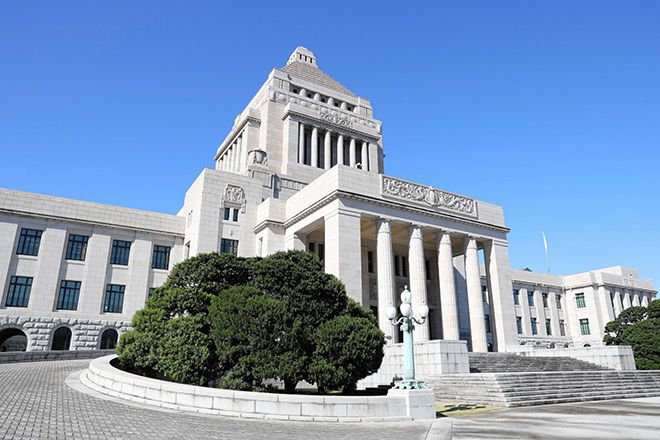
The Asahi Shimbun > Opinion > Editorial > article EDITORIAL: Japan joining growing global trend of declining democracy January 2, 2026 at 16:28 JST Share Tweet list Print The National…
Sources
- Japan joining growing global trend of declining democracy
- Japan 2024: Striving for security amidst political turmoil*
Related posts
- Microsoft ends official offline activation method for Windows 10 and 11
- NY Fed ramps up unannounced cash injections to banks in Q4 2025
- Starlink to shift thousands of satellites from 550 km down to 480 km