
TL;DR
The Burtran Nano‑Oxy combines HEPA‑14 filtration with a negative oxygen‑ion generator and is CARB‑certified; the reviewer found it quiet, effective for medium rooms, and reported better sleep while using it. Independent checks in the review found no radiation spike and negative‑ion levels consistently above 3,000 in real‑world use, though long‑term health effects and broad clinical sleep benefits are not established here.
What happened
Wired tested Burtran’s Nano‑Oxy, a compact air purifier that pairs a dense HEPA‑14 filter with a high‑density negative oxygen‑ion generator. Burtran advertises ion output of 2,000–5,000 ions per cubic centimeter; during the reviewer’s multiweek trial the device’s emulated ion readout typically stayed above 3,000. The unit also carries CARB certification and was not on the California list of ozone‑producing purifiers. Concerned about potential radioactivity linked to some ion devices, the reviewer used a Geiger counter and reported background‑level counts (around 20 CPM) while the Nano‑Oxy ran. The purifier handled a 270‑square‑foot room at the recommended five air changes per hour, weighed 17.5 pounds, and includes activated carbon and prefilters. It proved one of the quietest medium‑size models tested, though the reviewer found its display and indicator lights confusing and noted an ongoing debate between sleep‑friendly low fan speeds and cleaning performance.
Why it matters
- Negative oxygen‑ion technology is controversial; this model was tested for radiation and ozone concerns and did not trigger alarms in the reviewer’s checks.
- Higher‑grade HEPA‑14 filtration could capture finer particles than common HEPA‑13 units, potentially improving indoor particulate removal.
- Noise and fan mode tradeoffs matter for bedroom use: the quietest sleep mode reduces cleaning power but improves comfort for overnight use.
- Clear, accurate indicators matter for users; confusing displays can make it hard to interpret VOC, PM2.5 and ion readings correctly.
Key facts
- Claims ion output: 2,000–5,000 negative oxygen ions per cubic centimeter (company claim).
- Measured ion readout during testing: typically above 3,000 (emulated value on device).
- Filtration: HEPA‑14 filter with activated carbon and a prefilter; company claims 99.995% capture down to 0.1 micron.
- Certification: Listed as a CARB‑Certified Air Cleaning Device (not on California’s ozone‑producing list).
- Radiation check: Geiger counter measurements stayed near background (~20 CPM) while operating.
- Room performance: capable of five air changes per hour in a 270‑square‑foot room according to reviewer testing.
- Physicals: about 17.5 pounds, easy to move with side handles; front mesh removable for filter access.
- Noise: roughly 50 dB at highest fan speed (consumer meter) and about 40 dB on a phone app; reviewer called it among the quietest medium models tested.
- Price and warranty: retail price cited at $359 with a two‑year warranty; replacement filters cost around $100.
- Controls and app: includes timer, fan speeds, auto and sleep modes, directional slats, and works with the Smart Life app.
What to watch next
- Broader, peer‑reviewed evidence that generated negative oxygen ions consistently improve sleep outcomes across users — not confirmed in the source.
- Long‑term emission and maintenance data for the ion generator and filters under varied real‑world pollution loads — not confirmed in the source.
- Whether users can reliably interpret the device’s multiple air‑quality indicators (PM2.5, VOC band, ion concentration) without confusion.
Quick glossary
- Negative oxygen ions: Airborne molecules or atoms that have gained an extra electron; they occur naturally in environments like forests and waterfalls and are produced by some air‑cleaning devices.
- HEPA (High‑Efficiency Particulate Air): A class of air filter designed to capture a high percentage of airborne particles; higher ratings (e.g., HEPA‑14 vs HEPA‑13) indicate greater minimum capture efficiency.
- CARB: California Air Resources Board, a state agency that evaluates and certifies air‑cleaning devices for ozone emissions and other safety criteria.
- VOCs: Volatile organic compounds — a class of gaseous chemicals emitted by products like paint, cleaners, and fuels that can affect indoor air quality.
- PM2.5: Particulate matter with diameter of 2.5 microns or smaller; these fine particles can penetrate deep into the lungs.
Reader FAQ
Does the Nano‑Oxy produce ozone or radiation?
The unit is CARB‑certified and the reviewer’s Geiger counter checks showed only background radiation levels; no ozone or radiation issues were detected in the review.
Will it improve my sleep?
The reviewer reported deeper sleep and vivid dreams while using the purifier, but broader clinical benefits for sleep are not established in this source.
How often do filters need replacing?
The device has a filter‑change indicator and replacement filters cost about $100, but the review does not specify typical replacement intervals.
Is it loud to run at night?
At maximum fan speed it registered around 50 dB on a consumer meter and about 40 dB on a phone app; the reviewer said it was among the quieter medium‑size models and used sleep mode overnight.
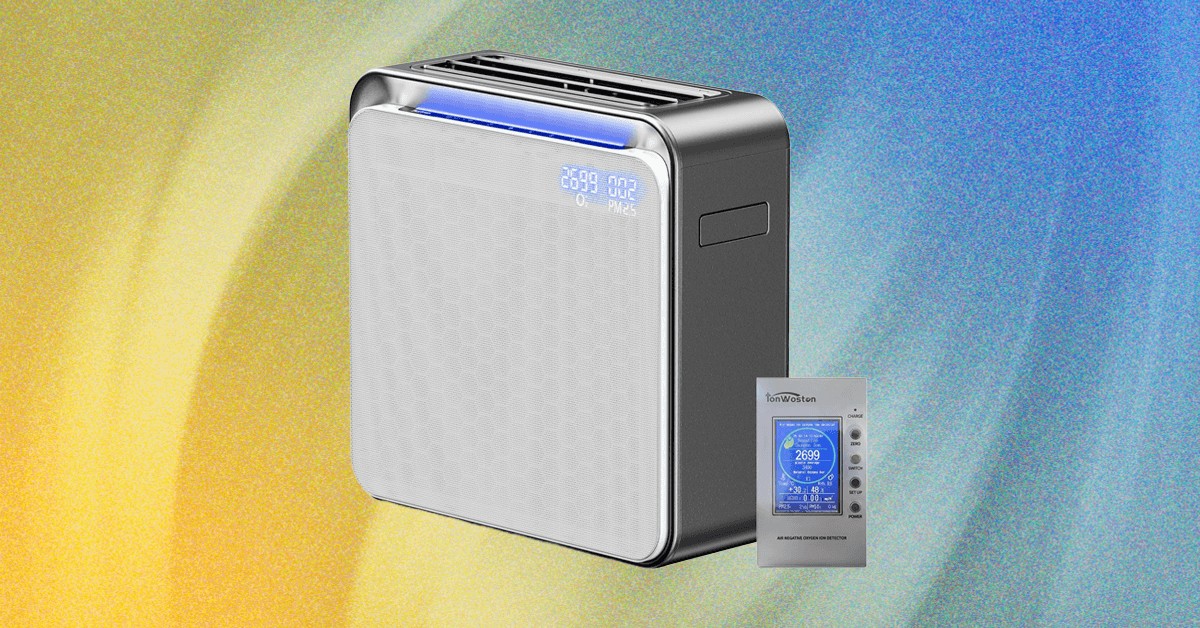
LISA WOOD SHAPIRO GEAR JAN 9, 2026 6:02 AM Review: Burtran Nano-Oxy Smart Air Purifier This new model produces negative oxygen ions that might actually improve your sleep. COURTESY OF…
Sources
- Burtran Nano-Oxy Smart Air Purifier: Safe Sleep?
- BURTRAN HEPA Air Purifier for Home Large Room up to …
- Burtran Nano-Oxy™ HEPA 14 Air Purifier for Home, up to …
- Burtran A31 Nano-Oxy HEPA 14 Air Purifier review
Related posts
- Practical assistive tech outshone overhyped AI claims at CES 2026
- Chewy Promo Codes January 2026 — $20 Off, 50% Pet Food Deals & More
- NZXT Discount Codes and Deals: Up to 50% Off and $250 Savings in Jan 2026