
TL;DR
A new S&P Global analysis projects global copper production will peak in 2030 while demand keeps rising, creating a multi-million-ton shortfall by 2040. The report warns recycling and short-term measures won't bridge the gap, and highlights long mine lead times and concentrated processing capacity as key risks.
What happened
Analysts at S&P Global say copper production is expected to reach its maximum around 2030 at roughly 33 million metric tons, while consumption will continue to climb to about 42 million metric tons by 2040. That trajectory would leave an unmet need on the order of 10 million metric tons unless primary output is meaningfully expanded. The study attributes demand growth to broad electrification, electric vehicles, expanding transmission and renewables deployment, and increased IT infrastructure tied to AI and datacenter expansion. Supply-side pressures include declining ore grades, higher extraction costs, and long lead times for new mines—averaging about 17 years to bring projects online. S&P also finds recycled copper will be insufficient to close the gap (projected to supply roughly a third of needs by 2040), and notes that processing capacity is heavily concentrated in a small number of countries, amplifying systemic and geopolitical risk.
Why it matters
- Rising copper scarcity could raise input costs for electronics, EVs, and electrical infrastructure, increasing final product prices.
- Long lead times for new mines mean supply cannot quickly respond to surges in demand, risking prolonged tight markets.
- Concentration of smelting and refining capacity heightens vulnerability to geopolitical and regional disruptions.
- Insufficient recycling capacity means secondary supply alone is unlikely to prevent shortages, requiring policy and investment action.
Key facts
- S&P Global projects primary copper production will peak in 2030 at about 33 million metric tons.
- Global demand is forecast to reach approximately 42 million metric tons by 2040, a roughly 50% rise from current levels.
- Without substantial new supply, the analyst estimates an approximate shortfall of 10 million metric tons by 2040.
- Copper reached a historical price high near $5.84 per pound in late 2025, according to the report's sources.
- Bringing a new copper mine into production typically takes around 17 years, on average.
- S&P expects recycled copper to account for only about one-third of total supply by 2040.
- The transition of telecoms to fiber optics could free roughly 800,000 metric tons of copper wiring, per the analysis.
- More than 90% of new global generating capacity added in 2025 came from solar and wind, increasing copper demand via grid and generation hardware.
- China holds approximately 40–50% of global copper smelting and refining capacity, concentrating a critical part of the supply chain.
- PwC has previously warned that climate-related risks such as droughts could threaten mine operations that need steady water supplies.
What to watch next
- Regulatory moves and permitting reforms that could shorten mine development timelines and unlock new primary supply.
- Levels of investment into new mines and processing facilities and whether projects move from planning to production on schedule.
- Shifts in where smelting and refining capacity is located or diversified, given the current concentration in a handful of countries.
- Improvements in copper recycling collection and processing, and whether secondary supply grows faster than S&P's projection.
Quick glossary
- Copper: A metal widely used in electrical wiring, motors, and electronic components because of its high conductivity and durability.
- Primary supply: Copper produced directly from mining operations and ore processing.
- Secondary supply (recycling): Copper recovered from scrap, end-of-life products, and industrial waste that is reprocessed for reuse.
- Smelting and refining: Industrial processes that extract and purify copper from mined ore into forms suitable for manufacturing and fabrication.
- Electrification: The replacement of technologies that use fossil fuels with electric alternatives, increasing demand for conductive materials like copper.
Reader FAQ
Will copper supplies run out?
Not confirmed in the source; the report projects production will peak and then decline relative to rising demand, creating a substantial shortfall but not an absolute depletion.
Can recycling close the shortfall?
No. S&P projects recycled copper will supply only about one-third of demand by 2040, leaving a significant gap.
How long does it take to bring a new copper mine online?
The source reports an average timeline of about 17 years from development to production.
Is processing concentrated in any country?
Yes; the analysis notes China accounts for roughly 40–50% of global copper smelting and refining capacity, concentrating processing capacity.
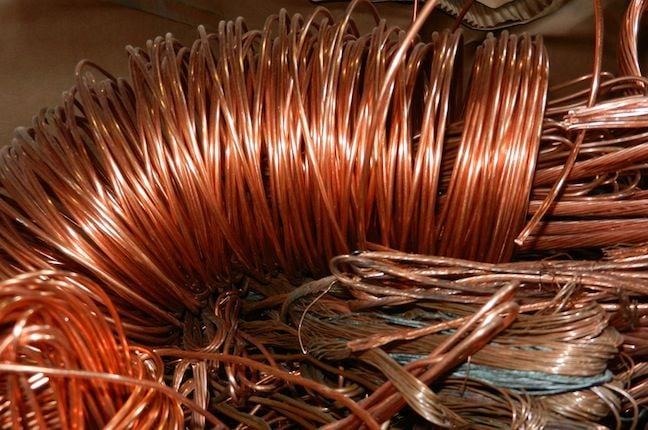
ON-PREM Copper supplies set to peak just as tech needs more Analysts say production will top out this decade while global electrification keeps ramping Dan Robinson Fri 9 Jan 2026 // 14:16 UTC Concerns…
Sources
- Copper supplies set to peak just as tech needs more
- Astrid S
- S corporations | Internal Revenue Service
- S
Related posts
- I used Obsidian wrong — the simple single‑vault daily note setup that stuck
- The Unreasonable Effectiveness of the Fourier Transform — Notes and Resources
- What Happened to WebAssembly: Uses, Limits, and Where It Fits Today