
TL;DR
At CES 2026, a coalition of repairability and privacy advocates highlighted products they say are intrusive, insecure, or wasteful. Items singled out ranged from disposable electronic candy to voice‑only refrigerators and AI desk companions.
What happened
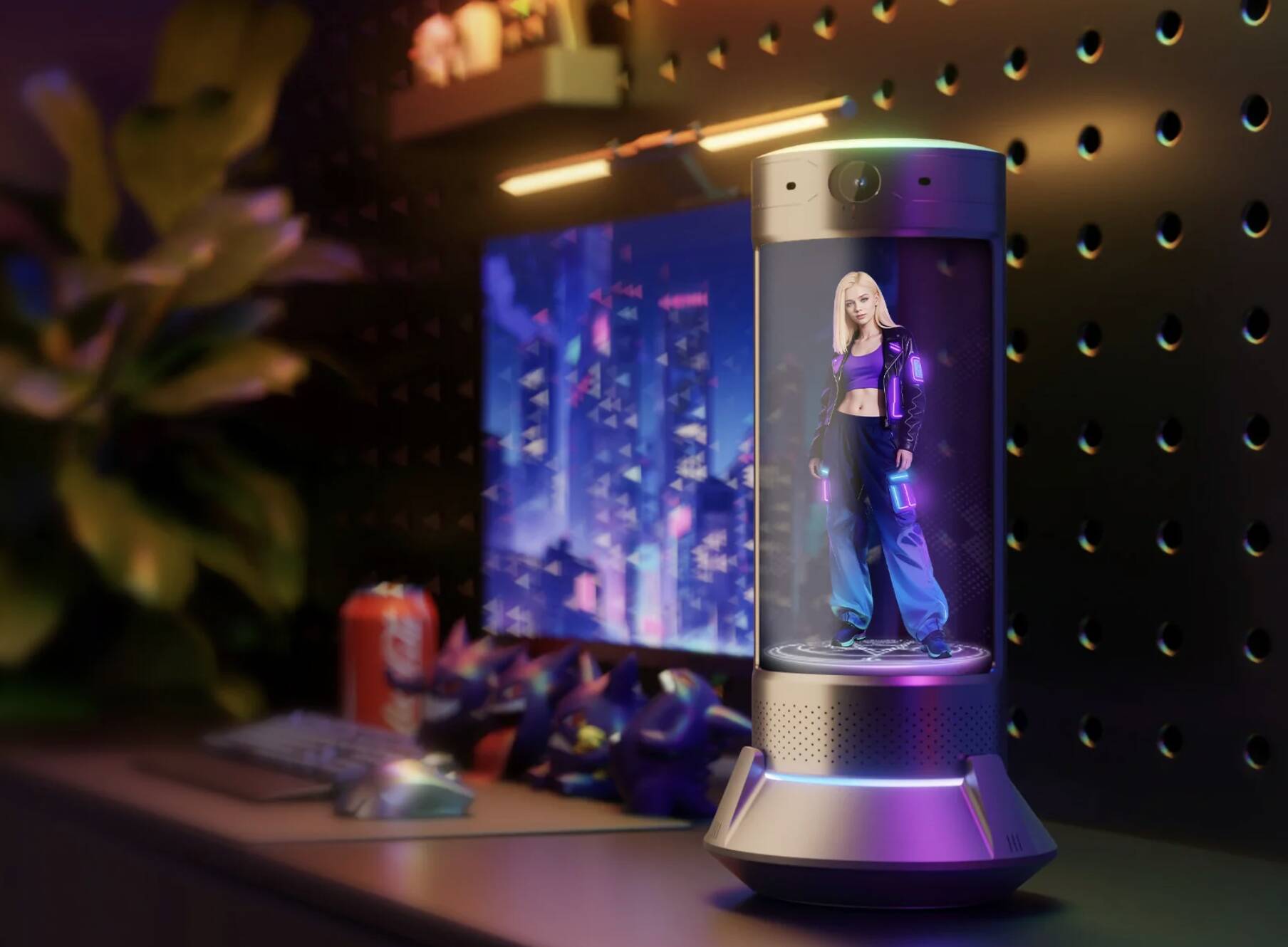
Repair.org and allied repairability and tech‑responsibility groups assembled a shortlist of CES 2026 exhibits they judged to be particularly problematic for privacy, repairability, sustainability and basic usefulness. The list included a single‑use consumer product called Lollipop Star — a candy with an embedded battery and speaker that provides roughly an hour of audio before becoming electronic waste. A Merach smart treadmill was flagged after its privacy policy effectively acknowledged it could not guarantee the security of personal and biometric data collected by the device. An anime‑style desktop device, Lepro Ami AI “Soulmate,” drew criticism for its always‑on camera and microphone and won a people’s choice dishonor. Bosch received two mentions — one for an eBike parts‑pairing system that could limit independent repairs, and another for an Alexa+‑powered espresso machine that requires a Prime subscription for full features. Samsung’s Family Hub Smart Fridge, which omits physical handles and relies on voice commands to open, was named both the worst for repairability and the overall worst entry.
Why it matters
- Products that are difficult or impossible to repair can increase electronic waste and limit consumer choice.
- Devices that collect and centralize biometric and behavioral data raise privacy and security concerns when manufacturers admit safeguards are not guaranteed.
- Single‑use electronics amplify toxic waste and fire risks associated with disposable batteries.
- Voice‑dependent or network‑dependent appliances can create accessibility and reliability problems when connectivity or mechanisms fail.
Key facts
- Lollipop Star is a lollipop with an integrated battery and tiny speaker; it is non‑rechargeable, offers about 60 minutes of playback and plays a single song before disposal.
- Repair advocates pointed out that disposable electronics increase the potential for toxic waste and can cause fires when batteries are improperly discarded.
- A Merach smart treadmill displayed at CES includes a conversational AI coach and collects personal, financial, biometric and fitness data; its privacy policy reportedly stated the company could not guarantee the security of personal information.
- Lepro Ami AI “Soulmate” was the people’s choice worst‑in‑show; attendees criticized its always‑on camera and microphone despite a physical shutter option.
- Bosch’s new eBike antitheft system uses parts registration and pairing tied to serial numbers, a model critics say can be used to control repairs and reuse of components.
- Bosch’s 800 Series Personal AI Barista integrates Amazon’s Alexa+ and requires a Prime subscription for full functionality, which critics said turned the feature into a subscription‑dependent gimmick.
- Samsung’s Family Hub Smart Fridge lacks physical handles and requires voice commands to open; repair advocates warned about added points of failure, reliance on connectivity, and the presence of ads on the appliance.
- Repair.org and various tech responsibility figures and organizations presented the list of dubious products at CES 2026.
What to watch next
- Whether regulators or consumer‑protection groups pursue actions related to repair restrictions and parts‑pairing practices; not confirmed in the source.
- How manufacturers respond to criticism about embedded cameras, microphones and data collection in household devices, and whether product designs change; not confirmed in the source.
- Market reaction to disposable electronic novelties like battery‑embedded candy and whether retailers or event organizers limit such products; not confirmed in the source.
Quick glossary
- Repairability: The ease with which a product can be diagnosed, serviced, and fixed by owners or third parties rather than only by the manufacturer.
- Parts pairing: A system where components are digitally registered or linked to a specific device, which can restrict replacement, reuse or independent repairs.
- Biometric data: Information derived from human physical or behavioral traits, such as fingerprints, facial recognition data, or gait and fitness metrics.
- Enshittification: A term used to describe the process by which once‑useful services or products are altered in ways that prioritize extraction or control over user benefit.
- Voice‑activated device: An appliance or gadget that responds to spoken commands and often depends on networked services to interpret and act on those commands.
Reader FAQ
Which product was named the overall worst in show?
Samsung’s Family Hub Smart Fridge was named both the worst for repairability and the overall worst entry.
What is the environmental concern about Lollipop Star?
Advocates flagged it as a disposable electronic with a non‑rechargeable battery and limited playback, creating single‑use e‑waste.
Is the Merach treadmill insecure?
Critics highlighted that the device collects extensive personal and biometric data and that the company’s privacy policy acknowledged it could not guarantee security.
Will any of these products be pulled from sale?
not confirmed in the source
Who compiled the list of worst‑in‑show products?
Repair.org alongside allied repairability and tech‑responsibility organizers and commentators presented the list.
OFFBEAT CES 2026 worst in show: AI girlfriends, a fridge that won't open unless you talk to it, and more There's a lot of bad ideas set to create literal…
Sources
Related posts
- First Lego Star Wars sets featuring the new Smart Brick open for preorder
- Deals roundup: 256GB iPhone 16 Pro $320 off; 1TB M5 MacBook Pro $199 off
- Why returning to a two-Mac setup improved a long-time Mac user’s workflow