
TL;DR
Ozlo is evolving its Sleepbuds from a hardware product into a data and services platform through partnerships, SDK integration, new software features and acquisitions. The company plans AI-driven sleep coaching, tinnitus therapies, updated hardware and EEG-based offerings as it moves toward subscription and medical markets.
What happened
Ozlo announced plans to expand its sleep-earbud business into a broader platform that shares sensor-derived sleep data with partners and powers new software services. The company has built an iOS/Android SDK so third-party apps can receive signals from the Sleepbuds’ case, which aggregates movement, respiration, temperature and light readings and applies machine learning to infer sleep state. Calm is an early partner using the SDK to assess whether its sleep and meditation content is effective. Ozlo is also developing AI features — including a chat-style “sleep buddy” agent — and a subscription tinnitus therapy based on masking frequencies validated in a study with Walter Reed. Hardware updates due in Q2 include an improved charging case and a bedside speaker; Ozlo recently acquired Segotia, an EEG-focused firm, to add brain-signal insights and accelerate a 2027 product aimed at medical applications. The company is in the process of closing a Series B round.
Why it matters
- Combining sensor data and partner apps could let content creators measure real-world effectiveness of sleep and meditation content.
- Subscription software and clinical therapies offer higher margins than one-time hardware sales, changing Ozlo’s revenue mix.
- EEG integration and neurotech acquisition position Ozlo to pursue regulated medical products and clinical interventions.
- AI-driven personalization and IoT integration could enable automated, context-aware adjustments to improve users’ sleep environments.
Key facts
- Ozlo built an iOS and Android SDK so partners can access sleep signals from its devices.
- The Sleepbuds’ case collects movement, respiration, temperature and light data and runs an algorithm to determine sleep state.
- Calm is using Ozlo’s SDK to evaluate content effectiveness against actual sleep signals.
- Ozlo launched Sleep Patterns in November to show customers their sleep history and trends.
- AI features, including a text-based sleep assistant, are planned for rollout in Q2 (year not explicitly restated in source).
- Tinnitus therapies informed by a Walter Reed clinical study will be offered via subscription and are expected in Q2 2026.
- New case hardware, pairing improvements, antenna upgrades and an amplifier are slated for Q2 release.
- A bedside speaker product that tracks awakenings and can alert others is planned for Q2 and targets users who shouldn’t wear earbuds at night.
- Ozlo acquired Segotia, an EEG-focused neurotech company, to add ear-based brain-signal measurement and plans an EEG product in 2027.
- The company is in the process of closing a Series B funding round.
What to watch next
- Rollout timing and capabilities of the AI sleep assistant and related personalization features in Q2 — watch for exact launch details.
- Launch of the tinnitus therapy subscription in Q2 2026 and any clinical results or regulatory disclosures tied to it.
- Delivery and market reception of the Q2 hardware updates (case improvements and bedside speaker) and their impact on adoption.
- Progress on the Segotia-based EEG product due in 2027 and whether Ozlo pursues medical-device regulatory approvals.
Quick glossary
- SDK (Software Development Kit): A collection of tools and libraries that allows third-party developers to integrate a device’s capabilities into their own apps.
- EEG (Electroencephalography): A method for recording electrical activity of the brain, often used in sleep and neurological monitoring.
- Tinnitus: The perception of ringing or noise in the ears not caused by an external sound source.
- Machine learning algorithm: A computational model that identifies patterns in data and can make predictions or classifications based on those patterns.
- HealthKit: Apple’s framework that allows health and fitness apps to share data with user permission.
Reader FAQ
Will Ozlo share sleep data with partner apps?
Yes. The company’s SDK enables partners to receive sensor-derived sleep signals from the Sleepbuds’ case.
When will Ozlo’s tinnitus therapy and AI features be available?
Tinnitus therapies are expected in Q2 2026; AI features are slated for rollout in Q2 (the source ties these to the same timeframe).
Is Ozlo entering the medical device market?
Ozlo acquired an EEG-focused firm and plans an EEG-enabled product for 2027, which the company says will enable movement into medical products.
How much funding has Ozlo raised or what is the Series B amount?
not confirmed in the source
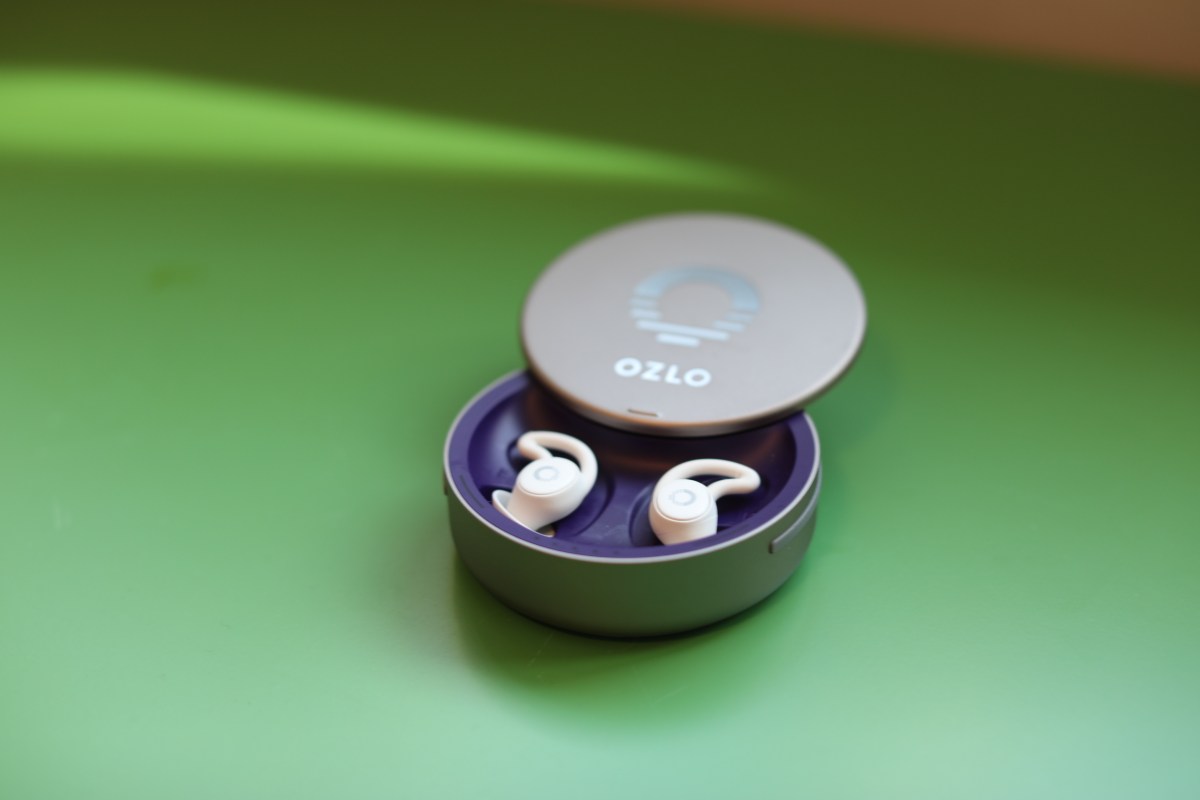
Ozlo, the maker of comfortable, easy-to-use “sleepbuds” that drown out outside noise so you can get better rest, is turning its product into a platform. The company’s plan began to…
Sources
- How the Sleepbuds maker, Ozlo, is building a platform for sleep data
- Ozlo expands sleepbuds into AI-powered sleep data platform
- Introducing Sleep Patterns from Ozlo: Better Sleep, Backed …
- From Smart Rings to Sleepbuds: The Patents Behind a …
Related posts
- EuConform: Open-source, Offline-First Tool for EU AI Act Compliance
- Grok’s new image-editing feature fuels surge of sexualized nonconsensual deepfakes
- Meta to Fund New Nuclear Reactors with TerraPower, Oklo and Vistra