
TL;DR
A features writer curated nine mobile apps she uses to monitor physical, mental and social wellbeing, from calorie tracking and sleep soundscapes to pill reminders and shared journaling. The apps are presented as awareness and habit tools, not substitutes for professional diagnosis or treatment.
What happened
In a recent roundup, Irene Okpanachi lists nine smartphone apps she relies on to support different aspects of her health routine. The collection includes a calorie and meal tracker, YouTube for guided workouts, an adaptive-soundscape app for focus and sleep, a period tracker, a medication reminder, a private group-journaling app, an emotion-logging tool, Google Weather for environmental risk indicators, and Google Drive for storing scanned medical records. Okpanachi describes how each app fits into her daily habits — for example, using a calorie counter alongside a dietitian’s plan to gain weight steadily, and relying on adaptive audio to fall asleep quickly. She emphasizes these tools are aids for awareness and habit formation, and advises consulting medical professionals for ongoing or worsening symptoms. The piece also notes personal preferences such as avoiding cloud storage for sensitive cycle data and exporting logs for doctor visits.
Why it matters
- Mobile apps can centralize tracking for physical, mental and social health, improving preparedness and routine adherence.
- Reminders and logging tools reduce missed medications and help detect patterns that may merit clinical attention.
- Environmental data like air quality and UV readings can inform everyday choices that affect health risks.
- Quick access to scanned medical records can speed care when documents are needed urgently.
Key facts
- The article highlights nine apps covering nutrition, exercise, sleep, menstrual tracking, medication reminders, journaling, mood logging, environmental alerts, and document storage.
- Calorie Counter is used to log diet, water, calories, macros, progress photos and contains shopping list and recipe features.
- The author used YouTube channels for home workouts instead of a gym, citing comfort and consistent at-home training.
- Endel provides adaptive soundscapes for focus, relaxation and sleep; the author reported falling asleep within minutes on first use.
- Period Calendar allows cycle logging, emoji symptom notes, cloud storage or export by email, and options to share with a partner or loved one.
- MyTherapy Pill Reminder records medications, dosing schedules, links meds to conditions, tracks supply levels and sends alerts.
- Waffle facilitates private group journaling with guided prompts to support social and emotional wellbeing.
- How We Feel prompts daily emotion and energy check-ins, offers gratitude moments and animated exercises for regulation.
- Google Weather supplies more than temperature forecasts, including air quality, UV, heat warnings, pollution details and mosquito activity.
- Google Drive is used to keep scanned medical records accessible across devices; the author notes their phone includes a document scanner so no third-party scanner was required.
- Irene Okpanachi is the piece author; she is identified as a features writer covering mobile and PC guides with five years' experience.
What to watch next
- Use these apps as monitoring and habit tools, not a substitute for professional diagnosis or treatment (confirmed in the source).
- Exporting app logs before medical appointments can help clinicians review symptoms and cycles (confirmed in the source).
- Long-term costs, subscription models and detailed data-privacy practices for each app are not confirmed in the source.
Quick glossary
- BMI: Body Mass Index — a basic metric comparing weight and height to categorize underweight, normal, overweight or obese ranges; it’s a general indicator, not a comprehensive health measure.
- Macros: Macronutrients — the three large nutrient groups (carbohydrates, proteins and fats) tracked in many diet apps to monitor calorie and nutrient balance.
- Adaptive soundscape: Continuously generated audio designed to shift subtly over time to support states like focus, relaxation or sleep.
- Air quality index (AQI): A standardized score that communicates how polluted the air is and the potential health effects for the general population.
- Pill reminder app: A mobile tool that schedules medication alerts, records doses taken and can track remaining supply to improve adherence.
Reader FAQ
Do these apps replace a doctor or professional care?
No. The article explicitly describes them as awareness and habit tools and advises consulting a professional for ongoing or worsening symptoms.
How many apps are featured in the roundup?
Nine apps are described in the article.
Did the author achieve measurable results from using these apps?
The author reports reaching a weight-gain target of about 0.6 kg per month while using a calorie tracker alongside a dietitian’s plan.
Are the apps free or subscription-based?
Not confirmed in the source.
Does the article address data privacy for health logs?
The author mentions avoiding cloud storage for menstrual data and exporting logs by email, but broader privacy practices are not detailed.
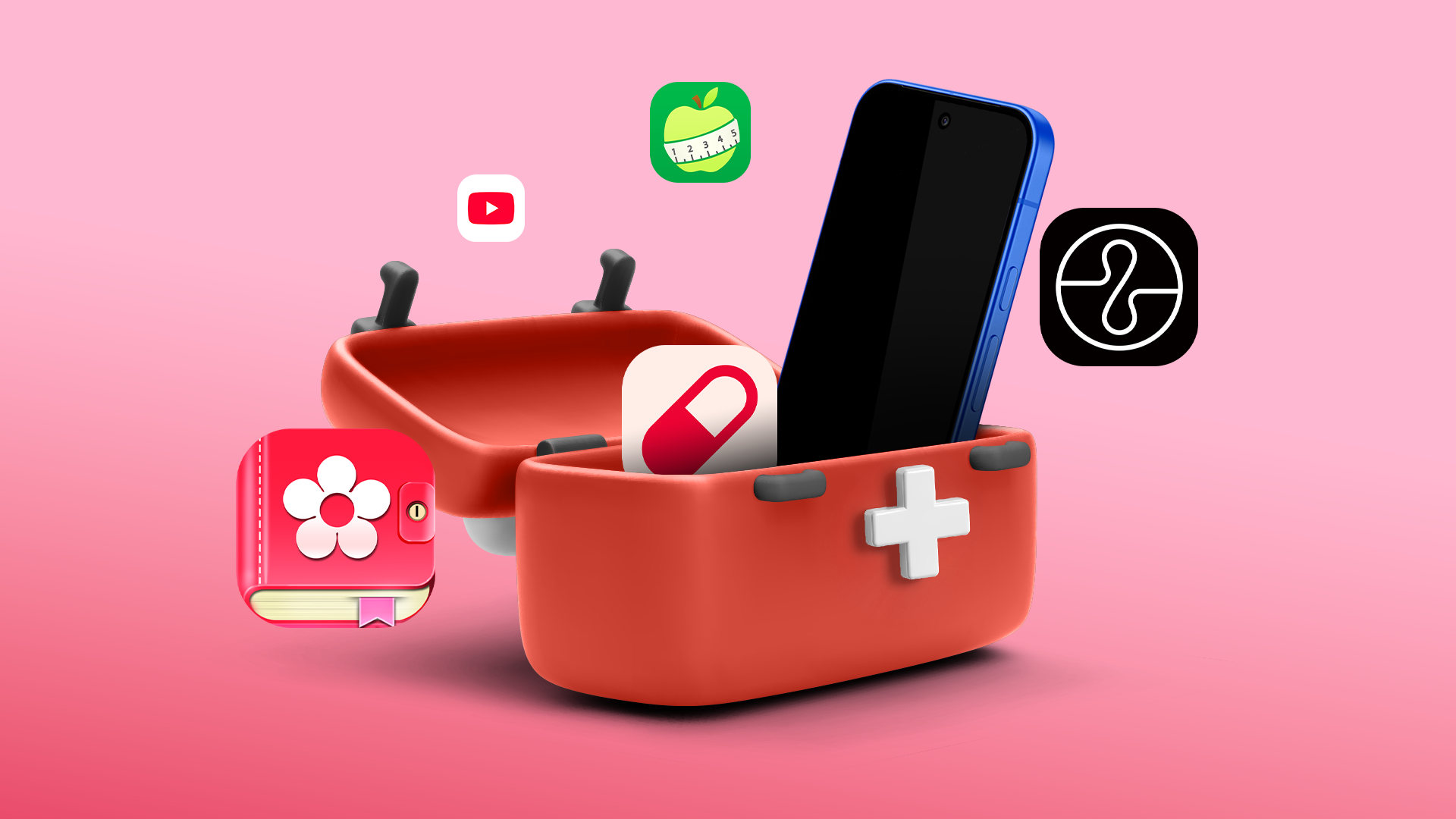
9 apps that turned my phone into a pocket hospital — health scares hate to see me coming Credit: Lucas Gouveia / Android Police | bs k1d / Shutterstock By Irene…
Sources
- 9 apps that turned my phone into a pocket hospital — health scares hate to see me coming
- 9 apps that can help older adults stay healthy, calm and …
- An Overview of Smartphone Apps – NCBI Bookshelf – NIH
- Top 10 Medical Apps for Wellness – Revolutionize Healthcare
Related posts
- Eulogy for Dark Sky: A Weather App That Redefined Data Visualization
- Best New Year’s Resolution Deals for Sleep, Fitness, and Planners (2026)
- Infinix at CES 2026: smartphones that blend design flair with practical features