
TL;DR
Researchers filmed brown rats at a northern Germany cave jumping from ledges to seize bats in mid-air, a behavior not previously documented. The team observed multiple confirmed kills, found a cache of bat carcasses, and warned the behavior could pose an added threat to already pressured bat populations.
What happened
A research team led by Florian Gloza-Rausch recorded brown rats (Rattus norvegicus) intercepting bats as they entered a limestone hibernaculum at Segeberg Kalkberg in northern Germany. Using infrared cameras during a five-week period in autumn 2020 and thermal imaging between 2021 and 2024, the group captured footage of rats balancing near the cave mouth, detecting winged movement, and springing up to grab bats in flight. Over the monitoring period researchers documented 13 confirmed kills and discovered a hidden cache containing 52 bat carcasses, which the authors interpret as evidence of active hunting rather than scavenging. The rats appear to use at least two tactics: leaping to catch bats at the cave entrance and attacking bats that are crawling on the ground. How the rodents detect flying bats in near-darkness remains unclear, though the team suggests nonvisual cues may play a role. The findings were published in Global Ecology and Conservation (2025).
Why it matters
- Demonstrates unexpected predatory behavior in a widespread rodent species, expanding understanding of its ecological role.
- Adds a potential new threat to European bat populations that already face pressures from habitat loss and disease.
- Because brown rats are invasive in many regions, similar behavior could affect other major bat roosts if it occurs elsewhere.
- Findings may prompt conservation managers to consider rat presence when planning protections for large hibernacula.
Key facts
- Species observed: brown rat (Rattus norvegicus).
- Location: Segeberg Kalkberg limestone cave, northern Germany.
- Hibernaculum size: around 30,000 bats shelter there each winter.
- Monitoring methods: infrared video in autumn 2020; thermal cameras from 2021–2024.
- Documented evidence: 13 confirmed bat kills during five weeks of monitoring.
- Additional evidence: a cache of 52 bat carcasses found by researchers.
- Estimated impact: a small group of rats could remove roughly 7% of the site's bat population in a single season.
- Hunting strategies observed: airborne interception at the cave mouth and ground attacks on crawling bats.
- Study lead: Florian Gloza-Rausch; published in Global Ecology and Conservation (2025).
What to watch next
- Whether the same aerial-interception behavior occurs at other large bat hibernacula — not confirmed in the source.
- Follow-up research identifying the sensory cues (e.g., whisker or auditory use) rats employ to detect flying bats — not confirmed in the source.
- Outcomes from any rat-management efforts near major roosts and their effects on bat survival — not confirmed in the source.
Quick glossary
- Hibernaculum: A shelter where animals, such as bats, hibernate through the winter to conserve energy.
- Thermal camera: A device that detects heat signatures and creates images based on temperature differences, useful for observing wildlife in darkness.
- Infrared video: Imaging technology that captures scenes using infrared light, enabling night-time recording without visible illumination.
- Behavioral plasticity: The ability of an organism to modify its behavior in response to changes in the environment.
- Invasive species: A non-native organism that spreads in a new environment and can cause ecological or economic harm.
Reader FAQ
Did the study show rats catching bats in flight?
Yes. Video recordings captured rats leaping from cave ledges and seizing bats as they flew into the hibernaculum.
How many bats were confirmed killed by rats?
Researchers documented 13 confirmed kills and found a separate cache of 52 bat carcasses.
Is this a known behavior for brown rats?
The study presents this as a previously unreported behavior for rodents intercepting flying mammals.
Do we know how rats locate bats in the dark?
The detection mechanism is not fully understood; researchers suggest rats may rely on whisker and hearing cues.
Will this behavior decimate local bat populations?
The authors estimate a small group of rats could remove about 7% of the site's bat population in a season, but broader long-term effects are not detailed in the source.
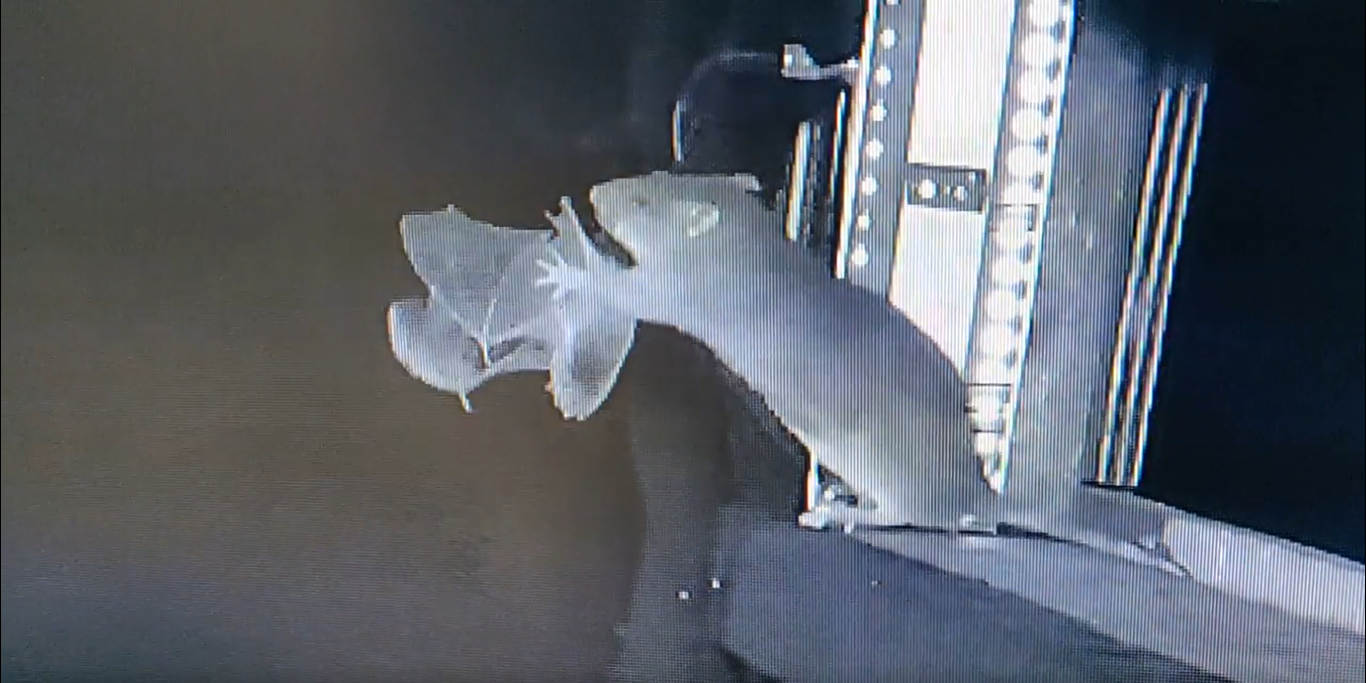
ANIMAL Rats Caught on Camera Hunting Flying Bats for the First Time By Ashish Gupta Published October 30, 2025 (Image Credit: Screenshot from supplementary video accompanying Gloza-Rausch et al., “Active…
Sources
- Rats caught on camera hunting flying bats
- Brown Rats Filmed Snatching Bats Out of the Air Before …
- Rats are snatching bats out of the air and eating them
- Rats wage war on bats in stunning new footage
Related posts
- Whenwords: a language-agnostic library built from specs, no code
- AI Econ Seminar: A Simulated AI Economist Faces a Hostile Faculty Panel
- How the High School You Attend Reshapes Your Chances for UC Admission