
TL;DR
The Federal Communications Commission has authorized SpaceX to launch 7,500 second‑generation Starlink satellites, bringing the permitted global Gen2 fleet to 15,000. The approval includes use of five frequency bands and allows direct‑to‑cell service outside the U.S., while the agency deferred authorization for most of a larger request.
What happened
The FCC granted SpaceX permission to add 7,500 second‑generation Starlink satellites, which brings the agency‑approved Gen2 constellation to 15,000 satellites worldwide. The commission’s clearance covers operations across five frequency bands and explicitly allows Starlink to provide direct‑to‑cell connectivity outside the United States, with supplemental direct‑to‑cell coverage authorized within the U.S. as well. Reuters reported that SpaceX had sought authorization for 15,000 additional Gen2 satellites, but the FCC deferred authorization for the remaining 14,988 proposed satellites. The agency also attached launch‑milestone requirements: SpaceX must place half of the approved satellites into orbit by December 1, 2028, and the remainder by December 2031. The decision expands SpaceX’s operational permissions for its next‑generation network while leaving a substantial portion of its larger request unresolved.
Why it matters
- Enables expansion of SpaceX’s Gen2 Starlink fleet and potential increase in capacity for its broadband service.
- Use of five frequency bands and approval for direct‑to‑cell expands technical options for delivering connectivity.
- The FCC deferred most of a larger request, signaling regulatory limits remain on how quickly the constellation could grow.
- Firm launch deadlines impose operational and deployment timelines that SpaceX must meet to retain the authorization.
Key facts
- FCC approved 7,500 additional second‑generation Starlink satellites.
- The approval brings the total authorized Gen2 Starlink satellites to 15,000 worldwide.
- The authorization allows operation across five frequency bands.
- FCC approval permits direct‑to‑cell connectivity outside the United States and supplemental coverage in the U.S.
- Reuters reported that SpaceX had requested authorization for 15,000 additional Gen2 satellites.
- The FCC deferred authorization of the remaining 14,988 proposed Gen2 Starlink satellites.
- SpaceX must launch 50% of the approved satellites by December 1, 2028, and the rest by December 2031.
- Source article published January 10, 2026, by TechCrunch; Reuters is cited for details on the larger request.
What to watch next
- Whether SpaceX meets the FCC’s launch milestones: 50% by Dec 1, 2028, and the remainder by Dec 2031.
- Future FCC action on the deferred authorization for the 14,988 Gen2 satellites previously requested by SpaceX.
- International regulatory approvals and coordination needed for expanded direct‑to‑cell service outside the U.S. — not confirmed in the source.
- Potential effects on orbital traffic management and debris mitigation as the Gen2 fleet grows — not confirmed in the source.
Quick glossary
- Federal Communications Commission (FCC): U.S. government agency that regulates interstate and international communications by radio, television, wire, satellite and cable.
- Starlink: A satellite internet service developed by SpaceX that uses a constellation of low Earth orbit satellites to provide broadband connectivity.
- Gen2 (second generation) satellites: A next‑generation iteration of a satellite fleet that typically offers upgraded capabilities or design improvements over an initial series.
- Direct‑to‑cell connectivity: A capability that enables satellites to communicate directly with standard mobile phones or cellular devices without intermediary ground infrastructure.
- Frequency band: A specific range of electromagnetic spectrum allocated for particular types of wireless communication.
Reader FAQ
How many Starlink satellites did the FCC approve?
The FCC approved 7,500 additional second‑generation Starlink satellites, for a total authorized Gen2 fleet of 15,000 worldwide.
Did the FCC grant all of SpaceX’s requested satellites?
No. Reuters reported SpaceX had requested 15,000 additional Gen2 satellites, but the FCC deferred authorization for the remaining 14,988.
What new operational permissions did the FCC include?
The FCC’s approval allows operation across five frequency bands and permits direct‑to‑cell service outside the U.S., plus supplemental coverage in the U.S.
Are there deadlines for launching the approved satellites?
Yes. SpaceX must deploy half of the approved satellites by December 1, 2028, and the remaining half by December 2031.
Will this automatically expand Starlink service everywhere?
Not confirmed in the source.
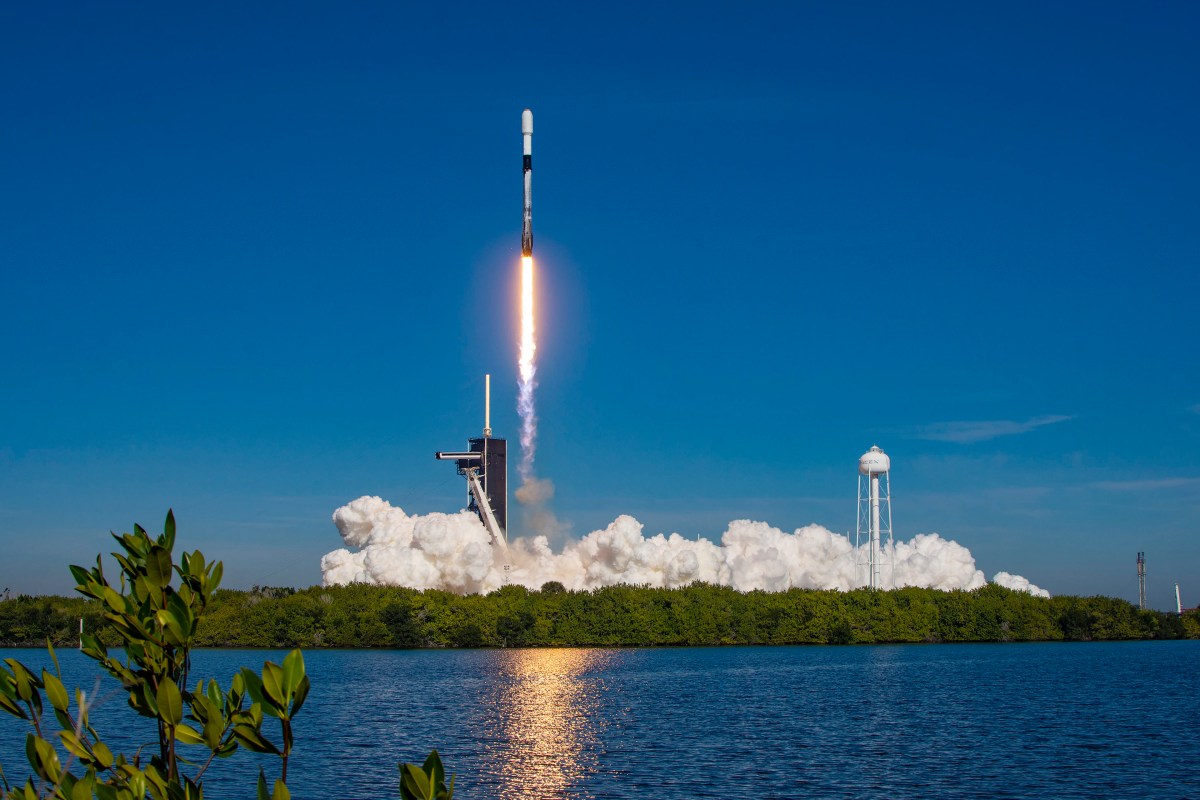
IN BRIEF Posted: 2:11 PM PST · January 10, 2026 IMAGE CREDITS: SPACEX (OPENS IN A NEW WINDOW) / FLICKR (OPENS IN A NEW WINDOW) UNDER A CC BY-NC 2.0…
Sources
- SpaceX gets FCC approval to launch 7,500 more Starlink satellites
- FCC approves SpaceX plan to deploy 7500 Starlink satellites
- FCC approves SpaceX plan to deploy an additional …
- The FCC is letting SpaceX launch 7500 more Starlink …
Related posts
- UK Directs Ofcom to Assess Compulsory Scanning of Encrypted Messages
- Elon Musk says he will publish X’s new recommendation algorithm next week
- OpenAI reportedly asks contractors to submit actual work from past jobs for training