
TL;DR
The Bluesound Pulse Cinema is a $1,499, 3.0.2 Dolby Atmos soundbar that prioritizes music and dialog clarity while offering versatile connectivity. Hardware is strong, but missing software features—EQ, channel-level controls and room correction—limit its Atmos immersion right now.
What happened
Bluesound introduced the Pulse Cinema, a 47-inch, 500-watt 3.0.2 soundbar with 12 drivers and dedicated up-firing channels aimed at consumers who want both music fidelity and Dolby Atmos movie playback. The unit includes a single HDMI ARC/eARC port, analog and digital inputs, USB for external storage, two-way Bluetooth with aptX Adaptive, Ethernet/Wi-Fi options and a wired subwoofer output; a wall-mount bracket is bundled. In listening tests the Pulse Cinema delivered notable dialog clarity, wide soundstaging and detailed music reproduction, but its height-channel Atmos effects were less convincing than those from competitors such as the Sonos Arc Ultra and Sennheiser Ambeo Soundbar Plus. Bluesound plans software updates that will enable expansion into a 5.1.2 configuration via additional Pulse speakers and a sub, add internal LFE processing for 3.1.2, and introduce channel-level adjustments, but EQ and room-correction features are currently absent.
Why it matters
- Bluesound is targeting audiophiles who want a single soundbar that serves both high-quality music and immersive movie audio.
- Hardware connectivity and format support are broader than many rivals, giving more options for sources and multiroom setups.
- Missing software controls limit the unit’s ability to fully realize Dolby Atmos and to adapt tonal balance to listener preferences.
- Planned firmware updates could materially change value and performance, affecting buying decisions for prospective customers.
Key facts
- Price: $1,499 (retail availability referenced at major retailers).
- Configuration: 3.0.2-channel, 12-driver array, 500 watts total output.
- Inputs and outputs: single HDMI ARC/eARC, analog input, digital input, USB port, two-way Bluetooth with aptX Adaptive, Ethernet and/or Wi‑Fi, and a wired subwoofer output.
- Size: 47 inches wide; a wall-mount bracket is included.
- Audio strengths: clear, centered dialog; wide and tall soundstage; strong detail for music and movies.
- Atmos performance: delivers height effects but is less convincing than Sonos Arc Ultra and higher-end competitors for immersive Atmos scenes.
- Software limitations: no EQ, no channel-level adjustment, no built-in room correction at present.
- Expansion plans: a future update will enable expansion to 5.1.2 using Pulse M or Pulse Flex 2i speakers plus a Pulse Sub+, and Bluesound expects to add internal LFE processing to create a 3.1.2 configuration.
- Streaming and app notes: BluOS provides quick, user-friendly control and supports services such as Amazon Music, Tidal, Qobuz and Deezer; AirPlay is supported but Apple Music has no native BluOS app access; no Google Cast; Tidal Connect supported; Dolby Atmos Music not supported natively.
What to watch next
- The timing for Bluesound’s planned software updates that add 3.1.2 LFE processing and expand to 5.1.2 is not confirmed in the source.
- Whether Bluesound will introduce discrete channel-level controls and EQ options in a specific release schedule is not confirmed in the source.
- Whether native Apple Music lossless or native Dolby Atmos Music support will be added to BluOS is not confirmed in the source.
Quick glossary
- Dolby Atmos: An object-based surround sound technology that adds height channels to create a three-dimensional sound field.
- HDMI eARC/ARC: HDMI connection modes that carry audio from a TV to a soundbar; eARC supports higher-bandwidth formats like Dolby Atmos over HDMI.
- EQ (equalization): Controls that let users adjust tonal balance (bass, midrange, treble) to taste or to compensate for room acoustics.
- LFE (low-frequency effects): A dedicated channel and processing for deep bass sounds, commonly sent to a subwoofer in movie mixes.
- BluOS: Bluesound’s multiroom software platform that manages playback and streaming across compatible devices.
Reader FAQ
Is the Bluesound Pulse Cinema good for music?
Yes. The review highlights detailed highs, clear separation and a wide soundstage that make it especially strong for music playback.
How convincing is its Dolby Atmos performance?
It provides height effects and immersive elements but does not match the Atmos imaging and immersion of the Sonos Arc Ultra or some higher-end soundbars.
Can you adjust EQ or perform room correction on the Pulse Cinema?
No. There is currently no EQ or room-correction feature; Bluesound is reportedly exploring ways to add room correction but details are not provided in the source.
Will the Pulse Cinema support a larger surround setup?
Bluesound plans a software update to allow expansion to a 5.1.2 system using Pulse M or Pulse Flex 2i speakers plus a Pulse Sub+; specifics and timing are not confirmed in the source.
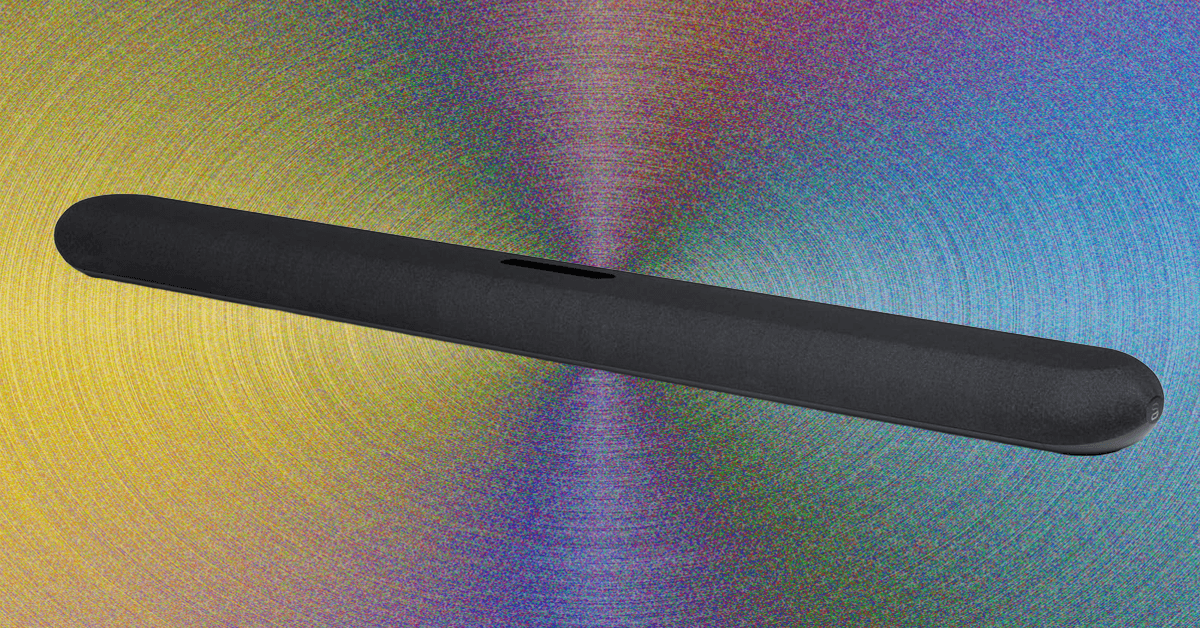
CHRIS HASLAM GEAR JAN 11, 2026 7:00 AM Review: Bluesound Pulse Cinema Soundbar This is a promising stand-alone Dolby Atmos soundbar for music fans, but it still needs a few…
Sources
- Bluesound Pulse Cinema Review: A Pretty Sonos Alternative
- Finally, I found a room-filling soundbar that makes a …
- Bluesound PULSE CINEMA & PULSE CINEMA MINI Dolby …
- Did a Sonos Rival Just Make the Next Great Dolby Atmos …
Related posts
- Why I removed Windows 11 and switched my main computers to Linux
- Sony A7V review: Sony’s best all-around full-frame mirrorless yet
- Best Side-Sleeper Mattresses 2026: Tested and Picked by WIRED Reviewers