
TL;DR
Motional has paused and retooled its autonomous vehicle program around an AI foundation-model approach and plans to launch a commercial driverless robotaxi service in Las Vegas by the end of 2026. The company is already running rides with a human safety operator for employees and expects a public rollout with an unnamed ride-hailing partner later this year, removing the operator by year-end.
What happened
Facing missed milestones, investor exits and a deep workforce reduction, Motional decided nearly two years ago to suspend parts of its commercial push and rebuild its self-driving strategy. The autonomous vehicle firm — created as a joint venture between Hyundai Motor Group and Aptiv — shifted from a multi-model, rules-heavy software stack to an AI-first architecture that layers smaller models into a shared backbone while keeping legacy models available for developers. Motional’s CEO Laura Major said the change aims to make the system more generalizable and cost efficient for new cities. The company is currently offering autonomous rides with a safety driver to employees and plans to extend a similar service to the public later this year through an unnamed ride-hailing partner. Motional says it will remove the human safety operator and operate a commercial driverless service in Las Vegas by the end of 2026. A 30-minute demo in Las Vegas showed the vehicle navigating busy hotel pickup zones without disengagement, though some in-cab interfaces remain unfinished.
Why it matters
- Adopting foundation-model techniques could make autonomous driving software easier to scale to new cities and varied traffic environments.
- A cost-optimized, generalized system could change the economics of robotaxi deployment if it proves reliable in real-world conditions.
- Hyundai’s continued financial backing suggests the automaker remains committed to Motional’s long-term roadmap.
- Progress toward a driverless commercial service in a major test market would be a milestone for Level 4 autonomy deployment.
Key facts
- Motional originated from a $4 billion joint venture between Hyundai Motor Group and Aptiv.
- Aptiv exited as a financial backer and Hyundai provided an additional $1 billion to support the company.
- The company cut roughly 40% of its workforce in May 2024; headcount went from about 1,400 at peak to under 600.
- Motional paused commercial activities to rework its software around an AI foundation-model architecture.
- Motional currently runs robotaxi rides for employees with a human safety operator behind the wheel.
- The company plans to offer a public robotaxi service with an unnamed ride-hailing partner later this year.
- Motional aims to remove the human safety operator and begin a commercial driverless service in Las Vegas by the end of 2026.
- TechCrunch rode a 30-minute autonomous demo in Las Vegas that navigated hotel pickup and drop-off areas without a disengagement.
- In-cab graphics and some rider-facing interfaces are still under development.
What to watch next
- Whether Motional meets its goal to start a commercial driverless service in Las Vegas by the end of 2026 (confirmed in the source).
- The identity of the ride-hailing partner for the public launch (not confirmed in the source).
- Regulatory approvals and city-level permissions required for fully driverless commercial operations (not confirmed in the source).
Quick glossary
- Robotaxi: A passenger vehicle that operates as a taxi using autonomous driving software, without a human driver performing the driving task.
- Foundation model: A large AI model trained on broad data that can be adapted to multiple downstream tasks, often serving as a shared backbone for specialized functions.
- Level 4 autonomy: A classification where a vehicle can handle all driving tasks in certain conditions without human intervention, but may be limited to specific geofenced areas or scenarios.
- Disengagement: An event where human safety personnel take control from an autonomous system, used as a metric in testing and operations.
- Transformer architecture: A neural network design originally developed for language tasks that enables building large, flexible models used across many AI applications.
Reader FAQ
Will Motional launch a driverless robotaxi service in Las Vegas by the end of 2026?
According to the company, it plans to begin a commercial driverless service in Las Vegas by the end of 2026.
Is the service available to the public now?
No. Motional is currently operating rides for employees with a human safety operator and plans a public offering with an unnamed partner later this year.
Who is Motional’s financial backer now?
Hyundai is the majority owner and provided an additional $1 billion after Aptiv exited as a financial backer.
Is the ride-hailing partner identified?
Not confirmed in the source.
Are the in-vehicle graphics and rider interfaces complete?
No. The company says rider-facing graphics are still under development.
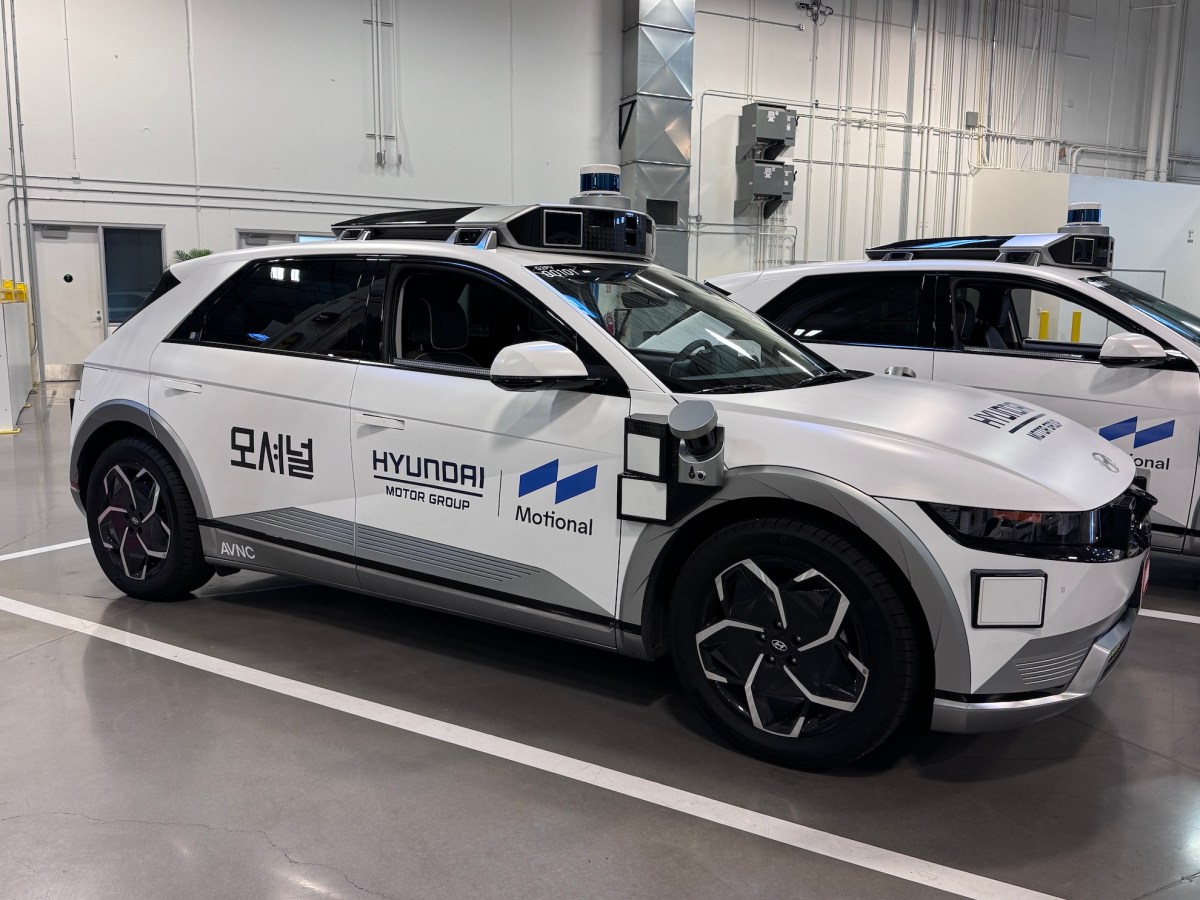
Nearly two years ago, Motional was at an autonomous vehicle crossroads. The company, born from a $4 billion joint venture between Hyundai Motor Group and Aptiv, had already missed a…
Sources
- Motional puts AI at center of robotaxi reboot as it targets 2026 for driverless service
- Hyundai's Motional is finally going driverless—robotaxi US …
- Articles
- CES 2026 showcases robotaxi and autonomous vehicle …
Related posts
- Why 2026 Could Be the Year Ordinary Users Embrace Self-hosting
- AI Agents and the Next Two Years of Software Engineering by 2026
- Using FUSE to Give Agents Broad, Sandboxable Access via Filesystems