
TL;DR
The Biden-era practice of assigning a monetary value to gains in human life for air pollution cost-benefit analyses is set to be abandoned by the Trump administration’s EPA, according to reporting. The change would remove health-based valuations when evaluating controls for ozone and fine particulate matter (PM2.5).
What happened
Longstanding EPA practice — begun in the Reagan era — has involved assigning a monetary value to changes in human life expectancy when weighing the costs and benefits of air pollution rules. A New York Times report cited by TechCrunch says the Trump administration plans to discontinue that approach for at least two major pollutants: ground-level ozone and fine particulate matter (PM2.5). Advocates of the valuation method have used it to quantify health benefits from pollution reductions, while supporters of the policy rollback frame the move as reducing regulatory burdens. The reporting notes background on the health risks of ozone and PM2.5, links between fine particles and a wide array of illnesses as well as infant low birth weight, and an estimate that PM2.5 contributes to as many as 10 million deaths globally each year. The story also flags recent examples of data centers relying on higher-emission power sources and notes the U.S. Chamber of Commerce’s positive reaction to the administration’s proposal.
Why it matters
- Removing a quantified value for human health will change the economic calculus used to justify pollution controls and could make stricter regulations harder to justify on cost-benefit grounds.
- Ground-level ozone and PM2.5 are tied to respiratory and cardiovascular diseases and broader health harms; downplaying their economic benefits may affect protections for vulnerable populations.
- Policy shifts could influence industries that face air-quality regulations, including power producers and large electricity consumers such as data centers.
- The move breaks with decades of regulatory precedent dating back to the Reagan administration and could reshape how future environmental rules are evaluated.
Key facts
- Since the Reagan administration, the EPA has applied a monetary value to changes in human life expectancy as part of cost-benefit analyses for air pollution rules.
- The Trump administration is planning to stop counting the value of human health when assessing regulations for ground-level ozone and PM2.5, according to reporting.
- Ground-level ozone (when present near the surface) forms from oxides of nitrogen and other precursors and can produce smog that exacerbates respiratory conditions.
- PM2.5 (fine particulate matter) has been linked in recent research to a wide range of illnesses cited in the reporting, including Parkinson’s, kidney disease, Alzheimer’s, dementia, type 2 diabetes, and low birth weight in infants.
- The reporting cites an estimate that fine particulate pollution contributes to as many as 10 million deaths worldwide each year.
- TechCrunch’s article references a New York Times report as the basis for the policy claims and was published on January 12, 2026; the TechCrunch story was reported by Tim De Chant.
- The article notes a recent example of a large AI company using dozens of unpermitted natural gas turbines to power a data center near Memphis, Tennessee.
- The U.S. Chamber of Commerce publicly welcomed the policy direction; Mary Durbin, president of the Chamber’s Global Energy Institute, expressed support for what she described as a rebalancing of regulations.
What to watch next
- Whether the EPA formally issues and finalizes a rule or guidance implementing this change (not confirmed in the source).
- Potential legal or administrative challenges to any finalized policy that removes health valuations from cost-benefit analyses (not confirmed in the source).
- How public-health organizations, state regulators, and affected industries respond to the proposal and whether that prompts revisions (not confirmed in the source).
Quick glossary
- Cost-benefit analysis: A method for comparing the estimated costs of a policy or project against its anticipated benefits, often expressed in monetary terms to inform decision-making.
- PM2.5: Fine particulate matter with a diameter of 2.5 micrometers or less; these particles can penetrate deep into the lungs and have been associated with diverse health problems.
- Ground-level ozone: Ozone formed near the earth’s surface from reactions involving nitrogen oxides and volatile organic compounds; it contributes to smog and can harm respiratory health.
- EPA: The U.S. Environmental Protection Agency, the federal agency responsible for environmental protection and regulation.
Reader FAQ
Is the EPA definitely stopping the practice of valuing human life in pollution rules?
The source reports that the Trump administration plans to stop the practice, but a final rule or implementation is not confirmed in the source.
Which pollutants would be affected by this change?
The reporting cites ground-level ozone and fine particulate matter (PM2.5) as the pollutants for which health valuations would no longer be counted.
How deadly is PM2.5 pollution?
The article cites an estimate that PM2.5 pollution is associated with up to 10 million deaths worldwide per year.
How have industry groups reacted?
The U.S. Chamber of Commerce welcomed the policy direction; a specific comment from Mary Durbin of the Chamber’s Global Energy Institute is noted in the reporting.
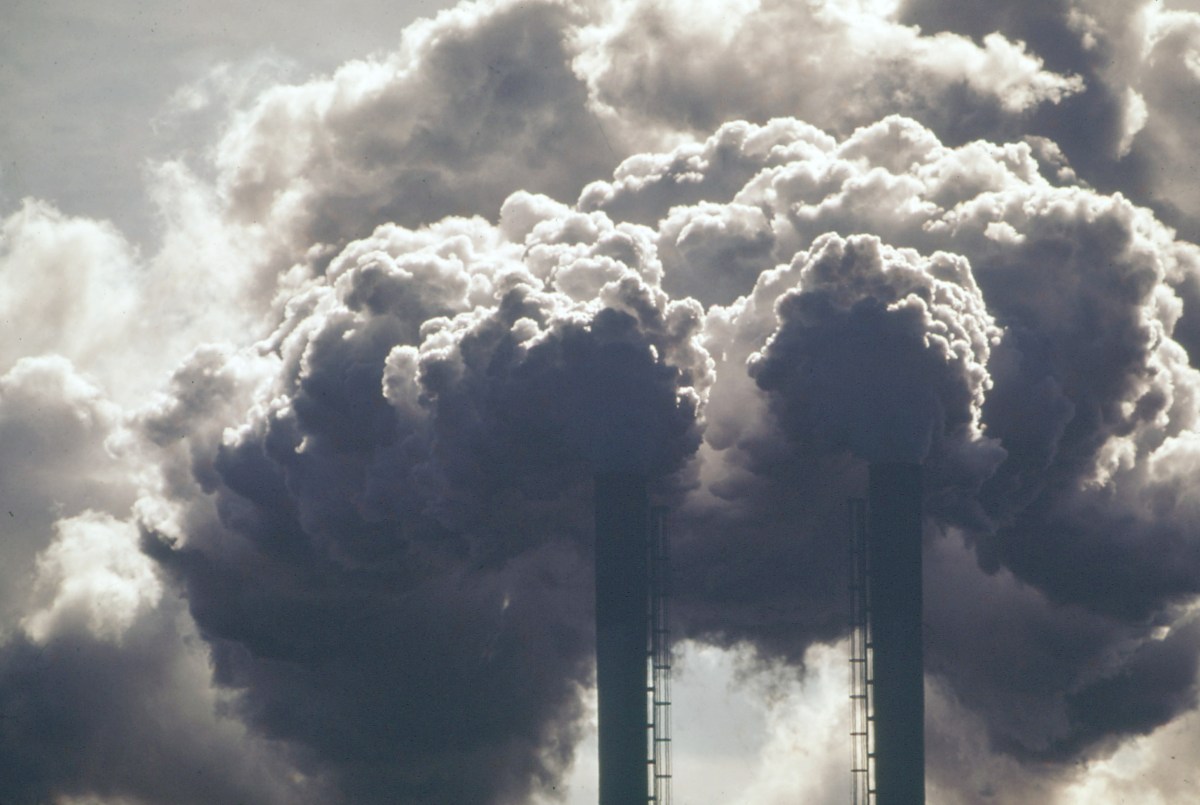
Ever since Ronald Reagan was president, the Environmental Protection Agency has assigned a value to human life. If you think too long about it, it’s a bit crass, but the…
Sources
- Trump’s EPA plans to ignore health affects of air pollution
- Trump's EPA Could Limit Its Own Ability to Toughen Air …
- EPA Releases Proposal to Rescind Obama-Era …
- Trump's EPA Focus: Delay, Rescind, Dismantle …
Related posts
- MacKenzie Scott Donates $45 Million to the Trevor Project After 988 Cut
- GoFundMe Hosts Legal-Defense Fund for ICE Agent in Renee Good Case
- Democrats should reject tech influence to win elections, Warren says