
TL;DR
Jefferies research argues that cheaply priced solar and energy storage will remain attractive to AI datacenters even as the administration curbs renewable supports. Analysts note policy headwinds and budget changes, but predict storage and diversified clean-energy strategies will grow among suppliers targeting hyperscalers.
What happened
Financial firm Jefferies told The Register that, despite the Trump administration's restrictive moves on renewables, low-cost solar and battery storage are likely to persist in the energy mixes serving AI datacenters. Last year’s US budget bill reduced many tax incentives that followed the 2022 Inflation Reduction Act, and an earlier executive order paused federal approvals for wind projects. Jefferies says that while nuclear, gas and geothermal may be better positioned than wind and solar to meet hyperscale demand for baseload power, inexpensive solar still plays a role. The analyst expects 2026 to be a year when traditional wind and solar companies expand beyond core activities—moving into adjacent areas such as battery energy storage systems (BESS). Separate work cited in the piece found microgrids combining offshore wind, solar, battery storage and gas backup could be cheaper for operators than relying on small modular reactors (SMRs).
Why it matters
- Cost remains a primary driver: low-priced solar and storage can override political resistance when operators seek cheaper energy.
- Datacenter operators’ preference for reliable baseload power shapes which generation sources win large PPAs.
- Growth in energy storage deployment at datacenters could reshape procurement and grid interactions.
- Shifts in federal R&D and incentive policy affect where US firms and investors place bets against global competitors.
Key facts
- Jefferies communicated its analysis in a research note shared with The Register.
- The 2025 US budget bill made sizeable cuts to tax incentives that renewable projects had used since the Inflation Reduction Act of 2022.
- An earlier executive order halted federal approvals for wind energy projects.
- Jefferies expects nuclear, gas and geothermal to be comparatively well positioned to supply hyperscale datacenter baseload demand.
- Analyst forecasts indicate 2026 may see traditional wind and solar firms move into adjacent markets, notably energy storage.
- Jefferies previously predicted battery energy storage systems could become a standard feature at datacenters.
- A Centre for Net Zero study cited in the report found a microgrid of offshore wind, solar, battery storage and on-site gas backup can be cheaper than power from a small modular reactor.
- The Council on Foreign Relations reported Congress rejected extreme cuts to federal energy R&D proposed by the administration.
- The CFR warned that new, lower-cost energy technologies represent trillion-dollar markets and that China has taken a lead in industries like solar panels and lithium-ion batteries.
- Jefferies notes consumer concern over rising retail energy costs could influence political calculations ahead of midterm elections.
What to watch next
- Deployment of battery energy storage systems at hyperscale datacenters and whether BESS becomes commonplace.
- Whether traditional wind and solar companies actually 'de-silo' in 2026 by moving into energy storage and related markets.
- How policymakers balance a hardline stance on renewables with voter concern over retail energy prices during the midterm cycle.
- Progress and timelines for new nuclear capacity and whether that affects utility bills in the near term.
Quick glossary
- PPA (Power Purchase Agreement): A contract in which an energy buyer agrees to purchase electricity directly from a generator at agreed terms for a set period.
- BESS (Battery Energy Storage System): A system that stores electrical energy in batteries for later use, often paired with renewable generation to manage variability and provide backup.
- Datacenter (bit barn): A facility housing servers and networking equipment used to store, process and distribute large volumes of digital data, often operated by cloud and AI firms.
- SMR (Small Modular Reactor): A smaller-scale nuclear reactor design intended to be built in modular units, proposed as an alternative to large traditional nuclear plants.
- Microgrid: A localized energy system that can operate connected to the main grid or independently, typically combining generation, storage and controls.
Reader FAQ
Will AI datacenters stop using solar because of the administration's stance?
No. Jefferies says low-cost solar is likely to remain part of many datacenter energy mixes despite policy headwinds.
Did the federal budget remove renewable incentives entirely?
The source reports that last summer's budget bill cut many tax incentives that renewable projects had relied on since the Inflation Reduction Act; it also said the bill provided regulatory certainty for the sector.
Is nuclear expected to replace renewables for datacenters soon?
Not in the near term: the source indicates nuclear timelines are too distant to affect utility bills ahead of midterm elections.
Are US energy R&D cuts happening as the administration requested?
The Council on Foreign Relations said Congress rejected extreme cuts to federal energy R&D that had been proposed by the administration.
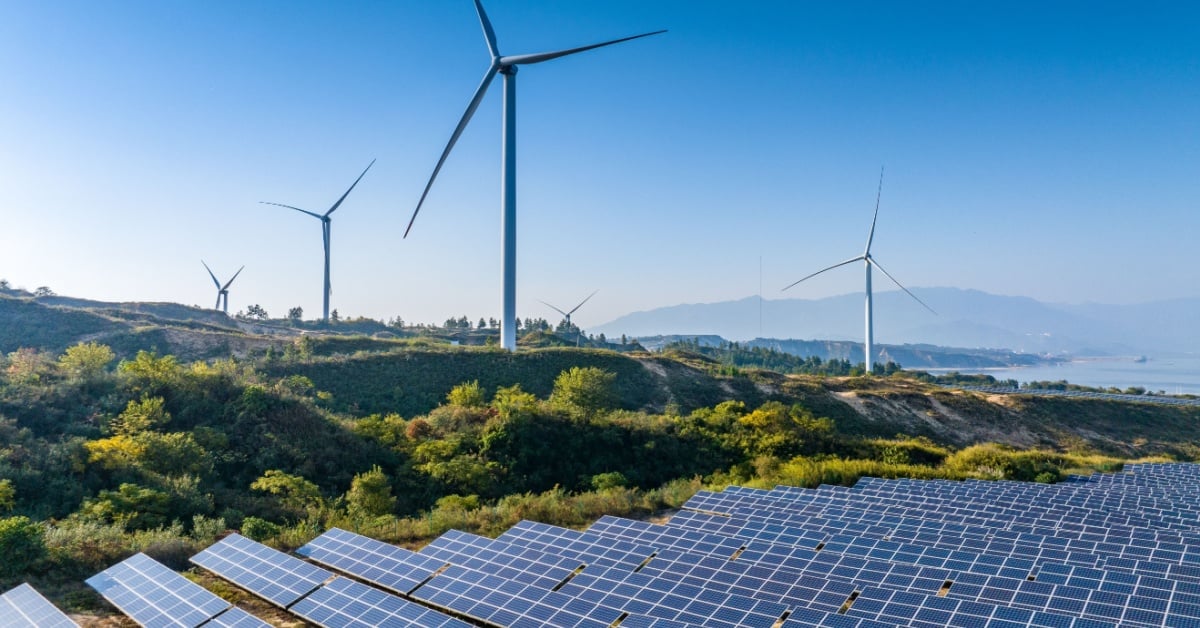
ON-PREM Trump may hate renewables, but AI datacenters still fancy cheap solar Analysts say cheap energy and storage make sense for bit barns despite policy headwinds Dan Robinson Tue 13 Jan 2026 //…
Sources
- Trump may hate renewables, but AI datacenters still fancy cheap solar
- Looking Ahead to a Deepening Affordability Crisis, an …
- Surprise: Cleantech Spending May Hit Record Despite …
- Investors see value in US clean power despite Trump …
Related posts
- Salesforce upgrades Slackbot into an AI agent that works across apps
- How I Escaped Google Photos’ 15GB Limit and Built a Local Photo Vault
- PC Shipments Rose Nearly 10% in Q4 2025 Despite Memory Shortages