
TL;DR
Writer Stu Faigen argues that local journalism is essential to democratic life because it makes local institutions and decisions legible to citizens. He urges community support — through subscriptions, donations and engagement — framing that support as civic participation rather than charity.
What happened
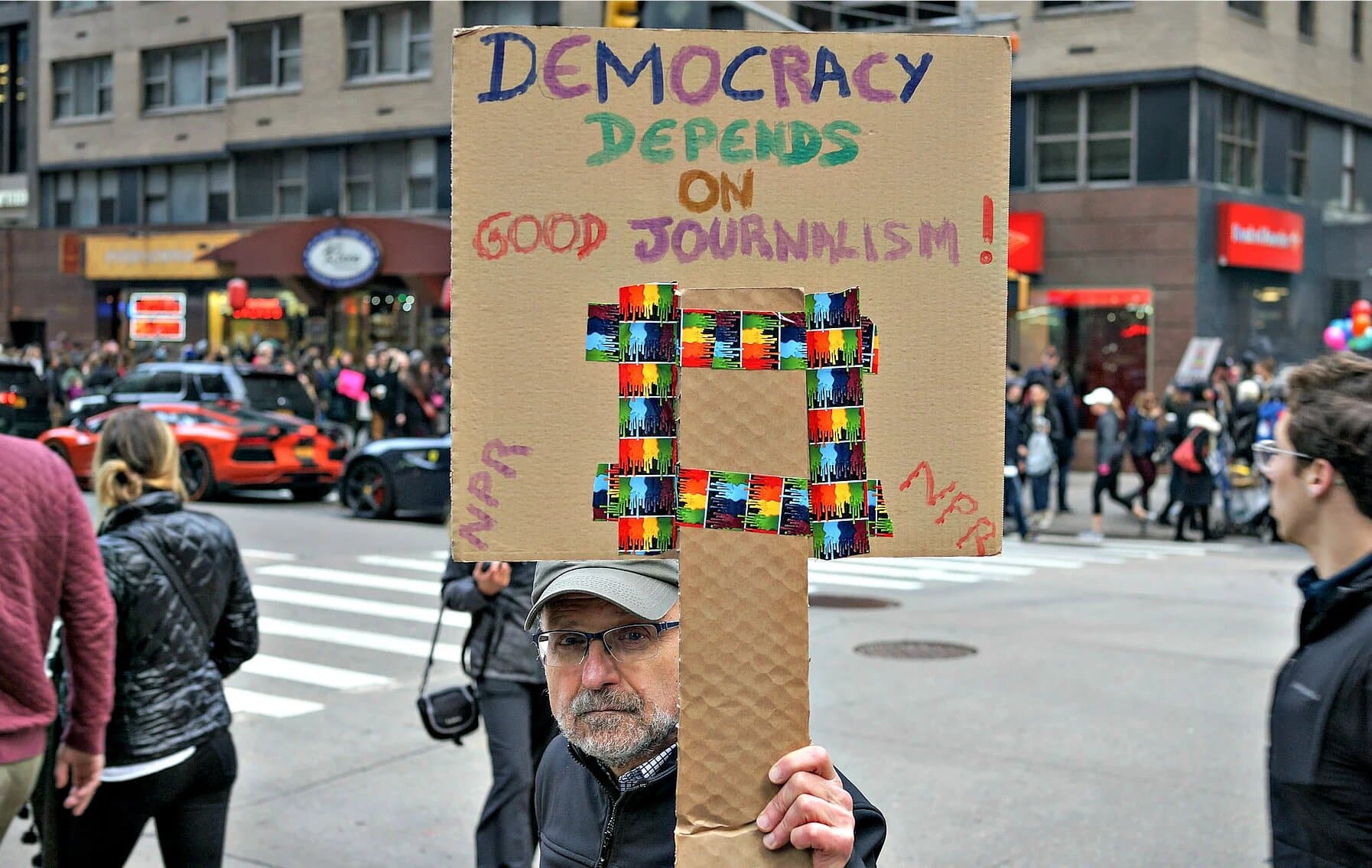
In an opinion piece, Stu Faigen lays out a case for the civic importance of local journalism. He says democracy is practiced in everyday institutions — school boards, zoning bodies, municipal budgets and local courts — and that local reporters make those arenas visible by attending meetings, digging through public records and tracking issues over time. When local coverage weakens, Faigen argues, people lose orientation about who holds power and how choices affect daily life; resignation can replace engagement. He describes local outlets as public infrastructure and contends that attacks on reporters and underfunding of newsrooms erode the community’s ability to hold officials accountable. Faigen calls on citizens to support local reporting through subscribing, donating, sharing credible work, and engaging constructively with journalists. He points to publications such as the Bucks County Beacon as examples of careful, transparent local reporting.
Why it matters
- Local reporting connects policy decisions to real people and reveals who is accountable for them.
- Without reporters to document meetings and records, power can operate out of public view.
- Supporting local news is framed as civic participation that helps sustain democratic practices.
- Erosion of local journalism can shrink public life from participation to passive spectatorship and grievance.
Key facts
- Author: Stu Faigen, a writer and educator who lives in Yardley and is a founding member of Renew Democracy 250.
- Faigen argues democracy is practiced at the local level — in school boards, zoning, municipal budgets, local courts, and local elections.
- Local reporters make public life legible by attending meetings, sifting public records, and following issues over time.
- He distinguishes national media’s distant role from local news’ work of keeping the public “in the room.”
- The decline or weakening of local journalism erodes citizens’ orientation about where influence lies.
- Many people labeled as apathetic may actually be resigned because they feel their participation does not matter.
- Actions Faigen recommends: subscribing, donating, sharing credible reporting and engaging constructively with reporters.
- He cites the Bucks County Beacon as an example of a local outlet committed to careful reporting and source transparency.
What to watch next
- Local newsroom closures and resource cuts that affect routine coverage of municipal institutions (not confirmed in the source)
- Whether communities increase subscriptions, donations or other direct support for local outlets (not confirmed in the source)
- Any local efforts to strengthen reporters’ access to public records or to protect press freedom at the municipal level (not confirmed in the source)
Quick glossary
- Local journalism: Reporting focused on community-level institutions, events and issues such as city councils, school boards, courts and municipal services.
- Public records: Government-created documents and data that are available to the public and used by reporters to verify facts and trace decision-making.
- Civic participation: Actions by citizens to engage in public life, including voting, attending meetings, supporting local institutions and contributing to public discourse.
- Accountability: The principle that public officials and institutions should be answerable to the public and that their decisions can be examined and judged.
- Newsroom: An organization or team responsible for producing news reporting, editing and related editorial work.
Reader FAQ
Who wrote the piece and what is his background?
The opinion was written by Stu Faigen, who is described as a writer and educator and a founding member of Renew Democracy 250. He lives in Yardley.
What is the core argument of the article?
Faigen argues local journalism is essential to democratic life because it makes local decision-making visible and helps communities hold power to account.
How does the author say citizens can support local journalism?
He recommends subscribing, donating, sharing credible reporting, reading beyond headlines, and engaging constructively with reporters.
Does the article provide data on the decline of local news?
Not confirmed in the source.
Level Up Your Inbox Facebook-f Instagram Youtube Threads Tiktok Support the Beacon Search News Education Elections Opinion Culture The Signal Opinion OPINION: Local Journalism Is How Democracy Shows Up Close…
Sources
- Local Journalism Is How Democracy Shows Up Close to Home
- Local Journalism Is How Democracy Shows Up Close to …
- The state of local news and why it matters
- Why Journalism Matters to Democracy – CJMD
Related posts
- Why Stoicism Remains One of the Most Effective Mind Hacks Ever
- Accidental-fall deaths have tripled since 2000 — what explains the rise?
- NASA demolishes historic test towers used for Saturn V and shuttle