
TL;DR
India's labor ministry met with executives from BlinkIt, Instamart and Zepto and asked them to stop marketing guaranteed 10-minute deliveries, Bloomberg reports. The move follows recent labor law changes granting gig workers legal status and creating a government-managed social security fund.
What happened
India's minister of labor and employment, Mansukh Mandaviya, held talks with leaders from quick-commerce services operated by Zomato (BlinkIt), Swiggy (Instamart) and Zepto, urging them to remove promotional language that promises deliveries in 10 minutes, according to Bloomberg, which cited anonymous sources. The instant-delivery model has expanded rapidly in Indian cities, with firms building local “dark stores” and hiring large numbers of delivery personnel to meet 10–15 minute expectations. After the meeting, BlinkIt reportedly eliminated messaging that advertised 10-minute delivery; Bloomberg said its rivals are expected to take similar steps. The discussions come shortly after India enacted labor reforms that explicitly recognize gig and platform workers and require aggregators to contribute to a state-managed social security fund — a change that regulators and companies are still adjusting to.
Why it matters
- Shifting marketing claims could reduce pressure on delivery workers to meet hazardous time targets.
- Removal of rapid-delivery promises may alter consumer expectations and competitive dynamics in quick commerce.
- Regulatory scrutiny highlights the government’s growing role in setting standards for gig economy working conditions.
- The combination of legal recognition for gig workers and demanded messaging changes could force firms to restructure operations or costs.
Key facts
- Labor minister Mansukh Mandaviya met with executives from BlinkIt, Instamart and Zepto, Bloomberg reports.
- The ministry asked firms to drop promotional language promising deliveries within 10 minutes, per Bloomberg's anonymous sources.
- BlinkIt has removed messaging that promised 10-minute deliveries following the meeting.
- Quick-commerce providers in India have invested heavily in 'dark stores' to support ultra-fast delivery windows of roughly 10–15 minutes.
- India recently granted legal status to gig and platform workers under new labor laws.
- New rules require aggregators to contribute 1% to 2% of annual revenue (capped at 5% of payments made to workers) to a government-managed social security fund.
- Bloomberg was the source for the report; the companies named did not immediately respond to requests for comment, according to the story.
What to watch next
- Will Swiggy, Zepto and other rivals formally remove 10-minute delivery claims or change marketing language — not confirmed in the source.
- Whether the labor ministry issues binding rules or enforcement guidance about delivery-time promises and worker safety — not confirmed in the source.
- How firms adjust operations, pricing or delivery staffing in response to messaging changes and social security contributions — not confirmed in the source.
Quick glossary
- Quick commerce (q-commerce): A retail model focused on delivering small orders, such as groceries or convenience items, within very short time frames using local fulfillment hubs.
- Dark store: A retail-only warehouse or fulfillment center located near customers that stocks goods for rapid online order fulfillment rather than serving walk-in shoppers.
- Gig worker: A person engaged in short-term, flexible or freelance work, often mediated by digital platforms, rather than traditional full-time employment.
- Aggregator: A platform that connects customers with independent service providers or delivery partners and coordinates transactions without directly employing all workers.
- Social security fund (government-managed): A pooled fund overseen by authorities intended to provide welfare benefits, insurance or retirement support for eligible workers.
Reader FAQ
Did the government ban 10-minute delivery services?
Not confirmed in the source. The report says the labor minister asked firms to drop 10-minute delivery marketing language, not that a ban was imposed.
Which companies were part of the meeting?
Executives from Zomato’s BlinkIt, Swiggy’s Instamart and Zepto were reported to have met with the labor minister, according to Bloomberg.
Have quick-commerce firms agreed to change their operations?
BlinkIt reportedly removed 10-minute delivery messaging after the meeting; whether other firms will change operations was described as expected by Bloomberg but not confirmed.
Are gig workers now legally recognized in India?
Yes. The source says India recently granted legal status to millions of gig and platform workers under new labor laws.
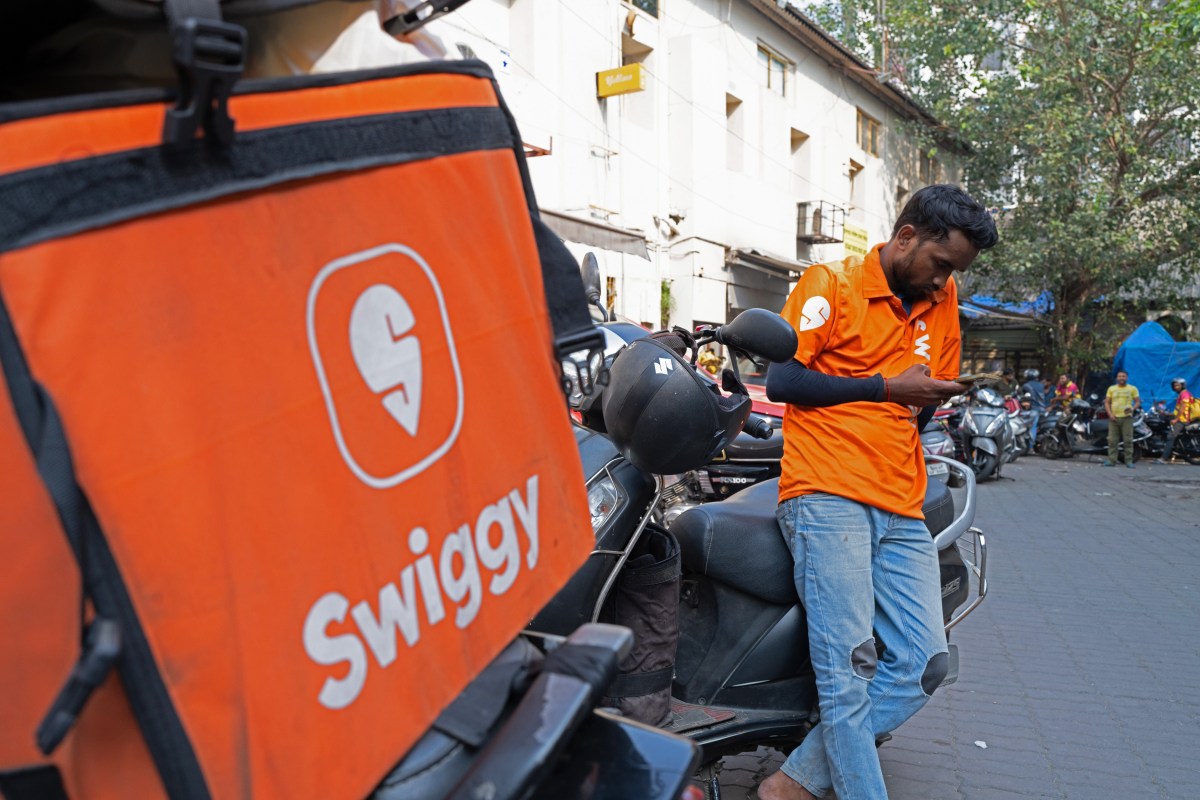
IN BRIEF Posted: 8:27 AM PST · January 13, 2026 IMAGE CREDITS: ABEER KHAN/BLOOMBERG / GETTY IMAGES Ram Iyer India reportedly tells quick-commerce firms to drop 10-minute delivery promise India’s…
Sources
- India reportedly tells quick-commerce firms to drop 10-minute delivery promise
- Gig worker safety row: Blinkit drops '10-minute' delivery …
- Govt asks quick commerce platforms to drop '10-minute …
- No more 10-minute delivery from Blinkit, Swiggy. Here is why
Related posts
- Apple Creator Studio subscription bundles pro creative apps — launches Jan 28
- ElevenLabs reports surpassing $330M in annual recurring revenue
- Marvel keeps the pressure on with a Doomsday countdown for Avengers