
TL;DR
Ammobia says it has modified the Haber‑Bosch method to run at much lower temperature and pressure, promising up to 40% cost savings and smaller, modular plants. The startup raised $7.5 million in seed funding and plans a 10‑ton‑per‑day pilot before commercializing a 250‑ton‑per‑day unit.
What happened
Ammonia production, long dominated by the energy‑intensive Haber‑Bosch process, is the target of a startup called Ammobia. The company reports it has reworked that century‑old chemistry to operate roughly 150°C cooler and at about one‑tenth the pressure of conventional plants. Ammobia says those changes lower upfront equipment costs, reduce emissions even when fossil fuels supply heat or hydrogen, and enable smaller, modular units that can ramp up and down more easily. The startup has been running a small unit for about a year and has secured $7.5 million in seed financing from investors including ALIAD (Air Liquide), Chevron Technology Ventures, Chiyoda, MOL Switch and Shell Ventures. Ammobia plans a pilot plant at ~10 tons per day that mirrors its commercial design, which the company says will produce about 250 tons per day per unit. The firm has a patent pending on a reactor system that reportedly removes ammonia during formation to free catalyst sites, but it has not disclosed full technical details.
Why it matters
- Ammonia is critical for global food production; lowering production cost or emissions could affect fertilizer supply chains.
- Conventional Haber‑Bosch accounts for roughly 2% of global greenhouse gas emissions; a lower‑energy process could cut that footprint.
- Smaller, modular units could enable more distributed production and better integration with intermittent renewable electricity and hydrogen.
- Reduced capital and operating costs could make ammonia more competitive as an energy carrier for sectors like shipping and power generation.
Key facts
- Ammobia claims its process runs about 150°C cooler and at approximately one‑tenth the pressure of traditional Haber‑Bosch plants.
- The company says its approach can reduce production costs by up to 40%.
- Ammobia raised $7.5 million in seed funding from ALIAD (Air Liquide), Chevron Technology Ventures, Chiyoda, MOL Switch and Shell Ventures.
- Conventional Haber‑Bosch typically operates near 500°C and around 200 bar (≈2,900 psi).
- Most current ammonia plants produce between 1,000 and 3,000 tons per day; Ammobia’s commercial module is planned at about 250 tons per day.
- The startup is operating a small unit and plans a pilot plant at roughly 10 tons per day before commercial deployment.
- Ammobia has a patent pending on a reactor design that uses a sorbent to remove ammonia as it forms, according to the company.
- Much of the hydrogen used in current ammonia production comes from steam methane reforming of natural gas, a significant source of emissions.
- Lower pressure operation makes it easier to ramp production, which the company says could pair well with variable renewable power and electrolytic hydrogen.
What to watch next
- Performance and timeline for Ammobia’s 10‑ton‑per‑day pilot plant build and testing (company is proceeding with a pilot).
- Whether the technology can deliver the claimed 40% cost reduction and concrete emissions reductions at commercial scale (not confirmed in the source).
- Uptake by incumbent ammonia producers and integration with renewable hydrogen supply chains, including commercial orders or partnerships (not confirmed in the source).
Quick glossary
- Haber‑Bosch process: An industrial method for synthesizing ammonia from nitrogen and hydrogen, traditionally requiring high temperatures and pressures and a metal catalyst.
- Ammonia (NH3): A nitrogen‑containing molecule used mainly as a fertilizer feedstock and increasingly considered as an energy carrier.
- Steam methane reforming: A common industrial process that produces hydrogen by reacting natural gas (methane) with steam, emitting carbon dioxide unless paired with mitigation.
- Catalyst: A substance that speeds up a chemical reaction without being consumed, commonly used in ammonia synthesis to enable nitrogen and hydrogen to combine.
- Modular plant: A facility composed of smaller, standardized units that can be manufactured offsite and combined to scale capacity more flexibly than large centralized plants.
Reader FAQ
How much funding has Ammobia raised?
Ammobia raised $7.5 million in a seed round from investors including ALIAD, Chevron Technology Ventures, Chiyoda, MOL Switch and Shell Ventures.
Does the new process reduce temperature and pressure requirements?
The company states its process runs about 150°C cooler and at roughly one‑tenth the pressure of conventional Haber‑Bosch systems.
Has Ammobia revealed full technical details of its method?
Not confirmed in the source; the company said it has a patent pending on a reactor system but did not disclose complete technical specifics.
Will this eliminate ammonia’s greenhouse‑gas footprint?
Not confirmed in the source; the company says the approach reduces emissions relative to conventional operation, but full lifecycle or commercial‑scale filings were not provided.
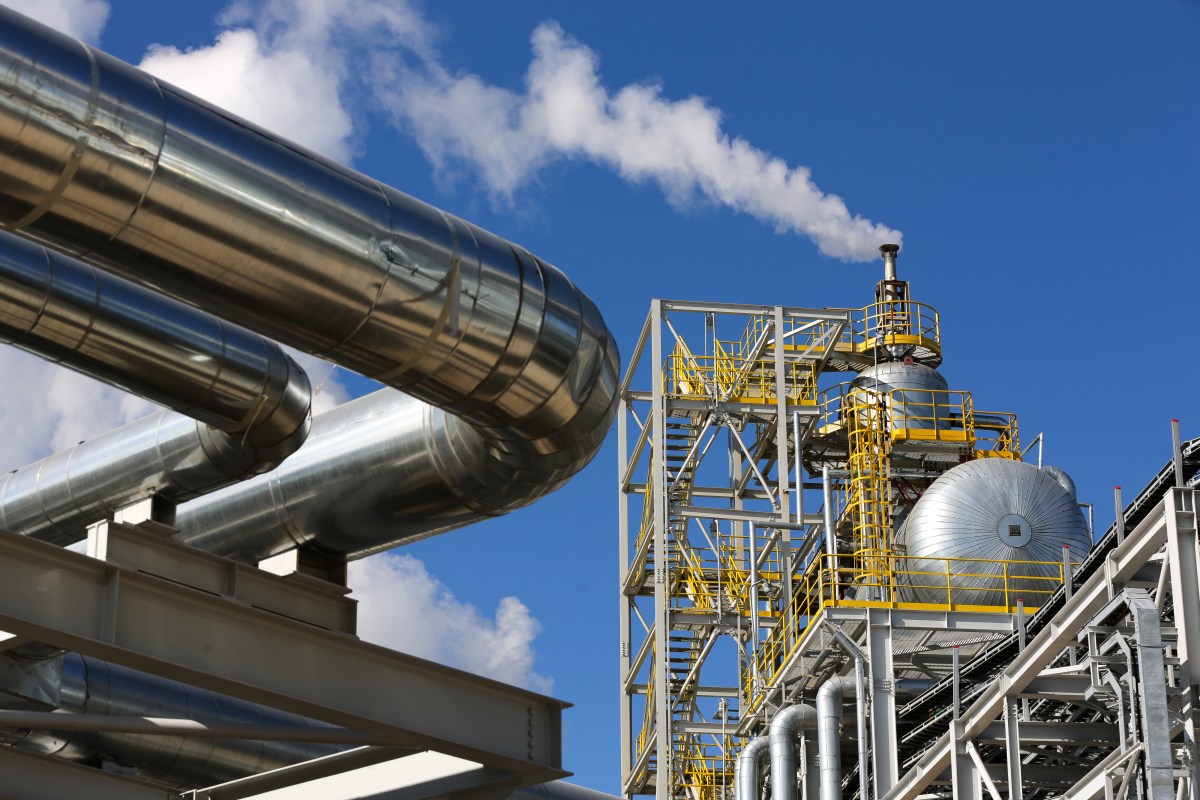
Ammonia might be the world’s most under appreciated chemical. Without it, crops would go unfertilized and billions of people would starve. Humans started making ammonia in large amounts just over…
Sources
- Ammobia says it has reinvented a century-old technology
- Haber-Bosch 2.0: Next-gen ammonia synthesis process
- Ammobia
- NREL Scientists Upend Century-Old Ammonia Production …
Related posts
- Watch the Lego Smart Brick demo: a 15-minute immersive CES walkthrough
- Redd-Archiver: Self-host Reddit archives — 2.38B posts, offline-ready
- Ayder: HTTP-native durable event log in C — curl as the client