
TL;DR
Singles face disproportionate housing strain as incomes and policy norms lag behind rising rents and mortgage costs. Longstanding affordability benchmarks and postwar housing assumptions have not adapted to current demographics, leaving many single renters and buyers vulnerable.
What happened
Recent reporting highlights how single adults are increasingly squeezed by housing costs and policy frameworks that assume household-sharing of expenses. Surveys cited in the piece show broad concern about housing loss, while official affordability rules—most commonly the 30 percent-of-income guideline set by the OECD decades ago—no longer match reality for many individuals. Median gross income for single Canadians reported at $45,069 in the source contrasts with average one-bedroom rents of roughly $2,109 in January 2025, and regional mortgage payment averages that in some provinces exceed typical single-earner means. The article traces the 30 percent benchmark back to mid-20th-century policy shifts and the Curtis Report’s earlier 20 percent standard, and it reports scholars’ critique that contemporary policy still presumes traditional family trajectories and homeownership-as-pension assumptions. The author combines national data with personal experience to show how ownership does not guarantee security amid development pressure and rising local prices.
Why it matters
- Singles typically carry housing costs alone, making them more likely to be rent- or mortgage-burdened.
- Affordability standards in use today were set decades ago and may understate current housing strain.
- Policy assumptions that prioritize homeownership and traditional family structures can leave single and non-traditional households unserved.
- Rising rents and regional mortgage levels outpace median single incomes, increasing housing precarity and mental-health risks.
Key facts
- A 2024 Abacus survey found nearly three in five Canadians worried about losing housing for financial reasons, per the source.
- The 30 percent-of-income affordability guideline originates from OECD standards established in the 1980s.
- Median gross income for single people cited in the article was $45,069; 30 percent of that equals about $1,125 per month.
- Average rent for a one-bedroom apartment in Canada in January 2025 was reported at approximately $2,109.
- Average monthly mortgage payments in 2024 ranged from about $1,337 in New Brunswick to $2,836 in British Columbia, according to the source.
- To buy an average condo in 2024, the article states a Canadian household income of $137,000 was needed in Toronto; $195,420 for a detached home. In Vancouver, an average-priced home required an income cited at $214,460.
- The Curtis Report (1944) originally used a 20 percent affordability standard and recommended a one-third split of new housing among nonprofit public, regulated rental, and private ownership.
- Rent control exists in some form across all Canadian provinces and territories, while the article notes 37 U.S. states forbid rent control outright.
What to watch next
- Whether federal or provincial policy revises affordability metrics or housing supports to explicitly address single-person households — not confirmed in the source.
- Any expansion of regulated 'missing middle' or modular housing programs intended to increase supply and reduce lone-household burdens — not confirmed in the source.
- Changes to rent-control rules or enforcement that could alter vulnerability for solo renters — not confirmed in the source.
Quick glossary
- Affordability guideline (30 percent): A commonly used rule of thumb that housing costs should not exceed 30 percent of household income; the guideline was popularized by international organizations in past decades.
- Curtis Report (1944): A postwar policy report referenced in the article that used a 20 percent standard for housing affordability and recommended splits between public, regulated rental, and private ownership for new housing.
- Rent control: Policies that limit the frequency or amount landlords can raise rents; implementations and legal status vary by jurisdiction.
- Missing middle: A planning and housing term for a range of medium-density housing types (like multiplexes and townhouses) that sit between single-family homes and large apartment buildings.
Reader FAQ
Why are single people more burdened by housing costs?
Singles often shoulder housing costs alone—rent, mortgage, utilities and maintenance—which makes them more vulnerable when incomes and housing prices diverge.
Where did the 30 percent affordability rule come from?
The guideline traces to OECD standards adopted in the 1980s; earlier policy documents like the Curtis Report used lower benchmarks such as 20 percent.
Does owning a home guarantee housing security?
Not necessarily; the article describes owners facing development pressure or being priced out of their neighbourhoods and notes homeownership was promoted as a form of retirement security.
Is rent control available across Canada?
The article states that some form of rent control exists in every Canadian province and territory.
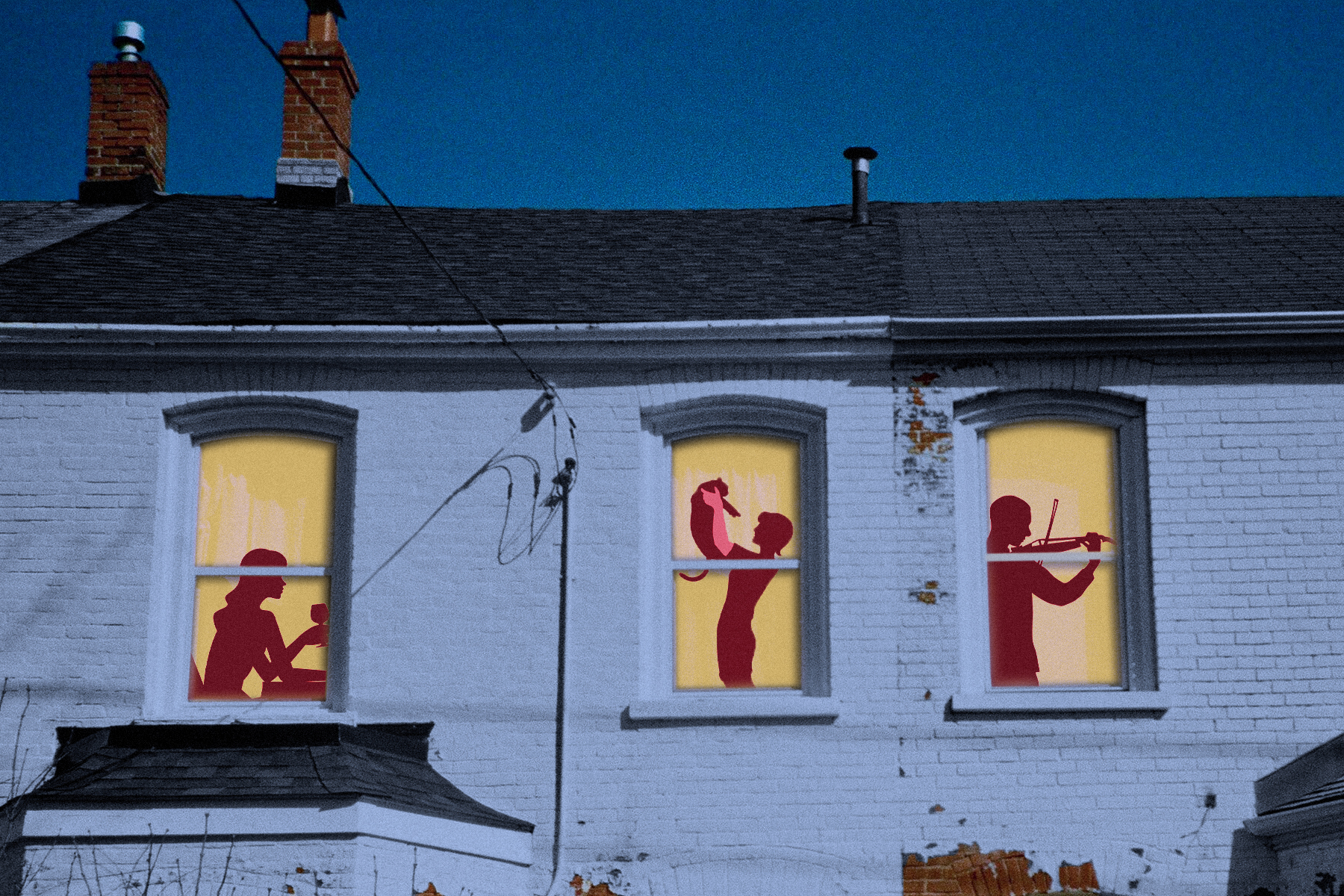
Business The Housing Market Isn’t for Single People Government policy is married to outdated expectations of how we live BY RENÉE SYLVESTRE-WILLIAMS Updated 14:51, Jan. 6, 2026 | Published 6:30, Jan. 6,…
Sources
- The Housing Market Isn't for Single People
- How much of the housing crisis is homes being unaffordable for young …
- The 'single-person penalty': Why more and …
- Banning Wall Street won't fix housing – Graham's Newsletter
Related posts
- Reports Claim Scott Adams Has Died — Verification Not Confirmed
- The Case for Blogging in the Ruins: Reclaiming Long-Form Online Thought
- Indifference as strength: how Stoicism turns adversity into agency