
TL;DR
The Financial Times published a piece titled 'How Iran switched off the internet' on January 14, 2026. The article is behind a paywall; the provided source does not include the article text or its reporting details.
What happened
The Financial Times ran an article headlined 'How Iran switched off the internet' (published 14 January 2026). The copy accessible in the provided source is paywalled and replaced by subscription prompts and pricing information, so the underlying reporting — including timelines, techniques used to disrupt connectivity, actors involved, and local effects — is not available in this source. The excerpt emphasizes subscription options and promotional pricing rather than the article body. Because the article text was not provided, this summary cannot confirm any specifics about the outage, such as whether it affected mobile or fixed networks, the duration of the blackout, technical methods employed, or the human and economic consequences. Any further details would require access to the full FT article or other reporting that is not included in the supplied source.
Why it matters
- Widespread internet disruptions can hinder access to information and communication for civilians and journalists.
- Network shutdowns can impede emergency services, health care coordination and business operations.
- Understanding how shutdowns are implemented is important for policymakers, technologists and rights groups seeking mitigation strategies.
- Transparency about the methods and decision-makers behind shutdowns affects accountability and legal review.
Key facts
- Article title in source: 'How Iran switched off the internet'.
- Publisher: Financial Times.
- Publication date shown: 14 January 2026.
- The article text in the provided source is behind a paywall and not included in the excerpt.
- The source page displays subscription offers, including a promotional $1 for 4 weeks trial, then $75 per month for complete digital access.
- An FT Edit subscription option is shown at $4.99 per month in the excerpt.
- Promotional pricing for a digital plan is displayed as $299 for the first year (previously $540), according to the excerpt.
- Source URL as provided: https://www.ft.com/content/5d848323-84a9-4512-abd2-dd09e0a786a3
What to watch next
- Specific technical methods used to cut connectivity (e.g., routing changes, nationwide throttling) — not confirmed in the source.
- Who ordered or authorized the shutdown and any official statements — not confirmed in the source.
- Documented duration and geographic scope of the disruption inside Iran — not confirmed in the source.
Quick glossary
- Internet shutdown: An intentional disruption of internet-based communications, which can be partial or total, and may target networks, services or geographic areas.
- Paywall: A system that restricts access to online content, requiring payment or a subscription to view the full article.
- Throttling: The deliberate slowing of internet service or specific types of traffic by an internet service provider or network operator.
- BGP (Border Gateway Protocol): The protocol that governs how packets are routed across the internet between autonomous networks; misconfigurations or manipulations can disrupt reachability.
Reader FAQ
Does the provided source explain how Iran switched off the internet?
No — the article text is behind a paywall in the supplied source and the specific methods are not available there.
Is the FT article free to read in the provided source?
No — the excerpt shows subscription prompts and pricing; full access appears to require a paid subscription.
When was the FT article published?
The source lists the publication date as 14 January 2026.
Does the excerpt describe the impact of the outage on people or businesses?
Not confirmed in the source.
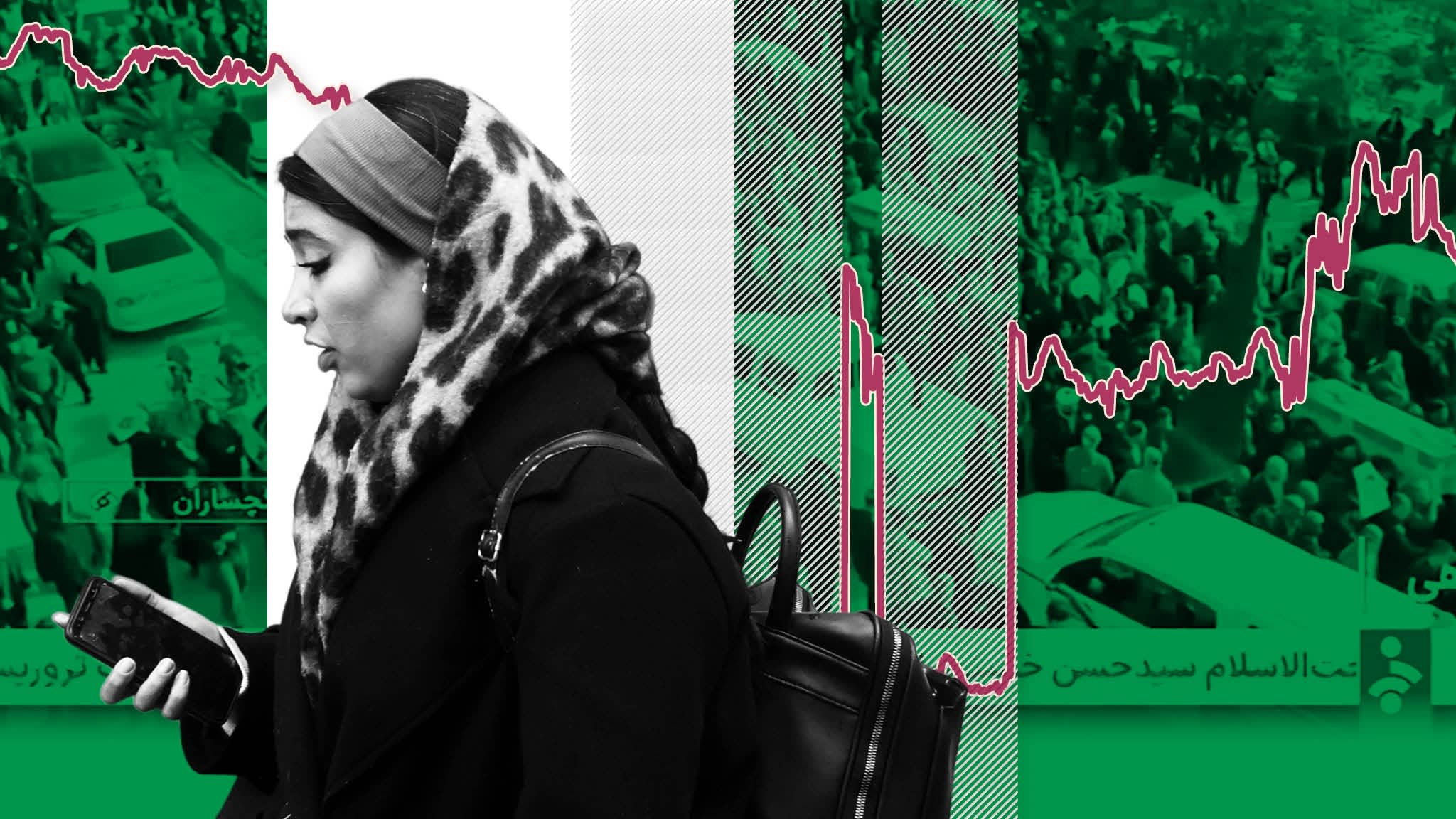
How Iran switched off the internet Subscribe to unlock this article Try unlimited access $1 for 4 weeks Then $75 per month. Complete digital access with exclusive insights and industry…
Sources
- How Iran Switched Off the Internet
- Digital blackout hits public, spares some state media in Iran
- Iran Is Cut Off From Internet as Protests Calling for Regime …
- Iran's internet shutdown crippled Starlink and why the …
Related posts
- US Intelligence Viewed Tren de Aragua as Fragmented Crime, Not an ‘Invasion’
- Bandcamp bans AI-generated music, positioning itself for artist protection
- US cargo tech firm exposed shipping systems and customer data online