
TL;DR
NPR surveyed 114 products at a suburban Walmart and found the average basket price rose about 5% year-over-year, with nearly half the items costing more and just under a quarter cheaper. Companies and Walmart point to a mix of factors — tariffs, extreme weather, supply pressures and retailer pricing choices — as drivers of changes.
What happened
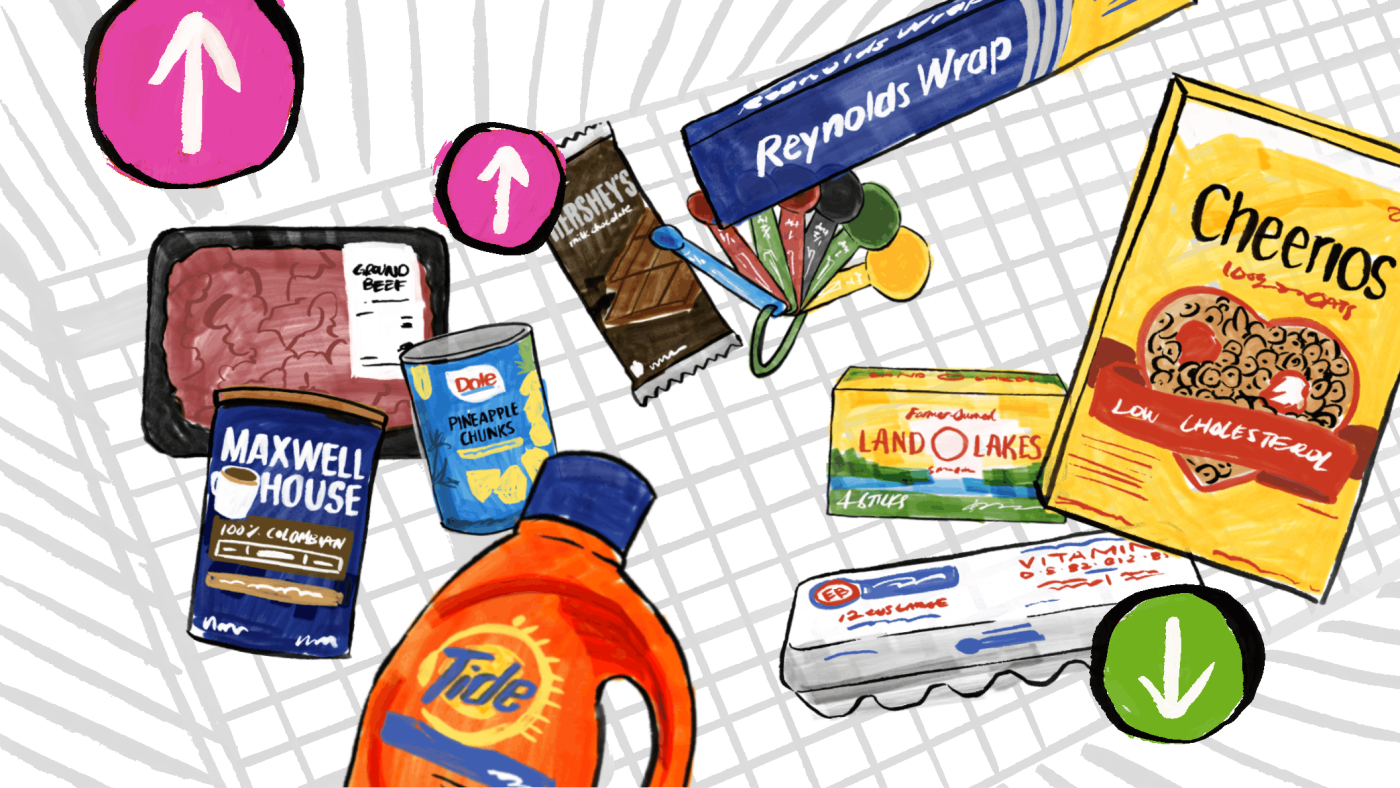
NPR examined prices for 114 items at a Walmart near Savannah in December, comparing unit prices to a year earlier. On average, the basket cost increased roughly 5% over the year. About half of the items rose in price, including consumer staples such as shrimp, Oreos, Coca-Cola and Dove soap; roughly a quarter became cheaper, with eggs, milk and Cheerios among those down. NPR adjusted for package-size changes by using price per unit. Several large jumps showed links to imports and trade policy: items made in China and Vietnam often saw steep increases. Climate and weather disruptions were cited for spikes in coffee, chocolate and beef prices. Retailer tactics shifted too — Walmart ran more discounts than in prior years, and some brands announced or implemented price cuts. NPR reached out to many makers; most did not respond, and Walmart said it aims to keep everyday low prices while managing supplier costs and promotions.
Why it matters
- Household budgets are affected when commonly purchased goods rise in price, even as headline inflation cools.
- Tariff policies and trade disputes can translate into higher retail prices for imported goods.
- Extreme weather and crop problems can push up costs for commodities like coffee, cacao and beef.
- Retailer promotions and permanent price cuts can partially offset price pressures for shoppers.
Key facts
- NPR tracked 114 items at a suburban Walmart and compared unit prices year-over-year.
- The average cost of NPR's shopping basket rose about 5% in the past year.
- Nearly half of the items checked increased in price; just under a quarter decreased.
- Examples of large price increases include Maxwell House ground Colombian coffee (up ~46%) and K-Cups (up ~34%).
- Some imported or China/Vietnam-made items showed big jumps: a store-brand paper folder made in China rose 46%; swai fillets from Vietnam rose 34%; Farberware measuring spoons (China) rose 19%; a Schwinn infant helmet (now made in Vietnam) rose 18%.
- Dole cited weather-related shortages and tariffs for a 25% rise in canned pineapple from Southeast Asia.
- Reynolds Wrap aluminum foil rose about 13%; the company cited tariffs, global supply pressure and energy costs.
- Ground beef at the store increased roughly 30%, and chocolate brands rose around 26%, both linked to supply problems and weather.
- Eggs fell about 30% from earlier highs linked to bird flu; butter declined nearly 16% amid abundant dairy supplies.
- Walmart reported adding more discounts (about 13,000 'rollbacks' in the first three quarters of 2025) and said roughly 2,000 became permanent price cuts.
What to watch next
- Future changes to U.S. tariff policy and any direct impacts on retail prices (not confirmed in the source).
- How retailers will balance promotions, permanent price cuts and supplier negotiations going forward (not confirmed in the source).
- Whether weather and crop conditions stabilize or worsen for key commodities like coffee, cacao and cattle, and the resulting effect on prices (not confirmed in the source).
Quick glossary
- Unit price: The cost of a product measured per standard unit (for example, per ounce or per item) used to compare prices across different package sizes.
- Tariff: A tax imposed by a government on imported goods, which can raise costs for importers and potentially lead to higher consumer prices.
- Shrinkflation: A practice where manufacturers reduce the quantity of a product while keeping the price the same or similar, effectively raising the unit price.
- Rollback: A retailer promotion or discount that reduces the listed price of an item; retailers sometimes make rollbacks temporary or permanent.
Reader FAQ
Did the prices at the Walmart NPR checked go up overall?
Yes. NPR found the average cost of its 114-item basket rose about 5% year-over-year.
Which factors drove the price changes?
The reporting linked changes to a combination of tariffs, extreme weather affecting crops and livestock, global supply pressures, energy costs and retailer pricing decisions.
Are any items notably cheaper now?
Yes. Eggs fell roughly 30% from earlier highs and butter dropped about 16%; some packaged foods like Cheerios were also cheaper.
Did Walmart or manufacturers respond to the price check?
Walmart said it aims to offer everyday low prices and has increased discounts; many manufacturers did not respond, while some cited higher raw-material costs or other pressures.
Play Live Radio DEEP DIVE ECONOMY How have prices changed in a year? NPR checked 114 items at Walmart JANUARY 14, 20265:01 AM ET HEARD ON MORNING EDITION By Alina…
Sources
- How have prices changed in a year? NPR checked 114 items at Walmart
- How have prices changed in a year? NPR checked 114 …
- How have prices changed in a year? NPR checked 114 items …
Related posts
- Black soldier fly larvae: efficient protein source eyed as future superfood
- UK government abandons mandatory worker digital ID plan; checks to go online by 2029
- With ICE Taking a Harder Line, Trump No Longer Relies on Proud Boys