
TL;DR
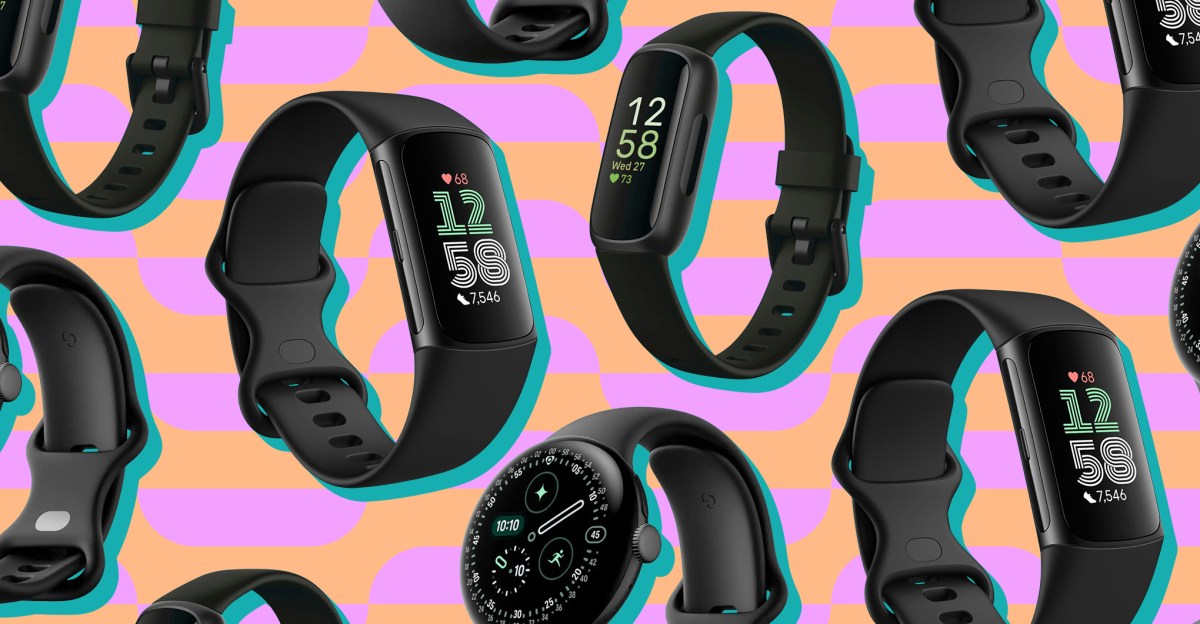
Fitbit remains a leading name in consumer fitness trackers under Google ownership, offering devices that focus on everyday activity and health metrics rather than elite athletic training. The roundup highlights the Pixel Watch 4 as the top smartwatch pick, the Charge 6 as the most feature-rich fitness band, and the Inspire 3 as the best budget option, while noting ongoing changes from Google’s integration.
What happened
Fitbit, now part of Google, continues to publish a range of trackers and watches aimed at general fitness and health monitoring rather than specialist athletic training. Recent models combine traditional Fitbit sensors—such as EKG and SpO2 monitoring—with updated hardware and Google software. The Pixel Watch 4, while not branded “Fitbit,” is treated as the company’s best smartwatch pick because it marries Wear OS 6 with Fitbit-style health features, longer battery life in real-world tests (roughly 36–42 hours), faster charging, and repairability. The Charge 6 remains Fitbit’s top fitness band, offering built-in GPS, EKG and EDA sensors, NFC payments, and the ability to broadcast heart rate to gym equipment. For simple, budget-conscious users, the Inspire 3 provides solid sleep and activity tracking with an OLED screen and multi-day battery life. The brand is in transition: Google-driven app redesigns, a mandatory Fitbit-to-Google account migration, 2023 outages, and leadership changes in 2024 have unsettled some users even as new devices arrive.
Why it matters
- Users should expect deeper integration between Fitbit features and Google’s Wear OS and services.
- Important account changes are coming: Fitbit accounts will require Google login beginning February 2026.
- Fitbit devices continue to offer clinical-style sensors (EKG, SpO2) on select models, useful for everyday health monitoring.
- Battery life and repairability are differentiators across models, affecting daily use and long-term ownership.
Key facts
- Pixel Watch 4 is recommended as the best Fitbit-family smartwatch and priced around $350.
- In real-world tests the Pixel Watch 4 delivered about 36–42 hours of battery life and charged from 14% to 97% in roughly 44 minutes with the supplied charger.
- Charge 6 is Fitbit’s higher-end fitness band, with built-in GPS, EKG and EDA sensors, SpO2 monitoring, NFC payments, and the ability to broadcast heart rate to gym equipment.
- Inspire 3 is the budget pick, offering a color OLED display and up to about 10 days of battery life under typical conditions (always-on display reduces that time).
- Fitbit Premium is available with devices via a trial; subscription pricing is $9.99 per month or $79.88 per year.
- Fitbit has faced service disruptions in 2023 and removed some legacy community features; these changes have drawn user criticism.
- A broader corporate transition followed Google’s acquisition: several Fitbit founders and other leaders departed in 2024 amid wider Google layoffs.
- Some Pixel Watch 4 LTE models include an emergency satellite SOS capability for use when cellular service is unavailable.
What to watch next
- The rollout and user experience of the mandatory Fitbit-to-Google account migration, required by February 2026.
- How Google’s Wear OS and Gemini AI features evolve on Pixel Watch devices and whether they further replace or enhance classic Fitbit functionality.
- not confirmed in the source: Whether Fitbit-branded standalone wearables will continue at the same pace or be subsumed under Google’s Pixel Watch line in the long term.
Quick glossary
- EKG (electrocardiogram): A sensor that records the electrical activity of the heart to detect irregular rhythms such as atrial fibrillation.
- SpO2: An estimate of blood oxygen saturation measured by a wearable sensor, often used to track breathing and sleep-related issues.
- NFC: Near-field communication, a short-range wireless technology used for contactless payments and quick pairing.
- Wear OS: Google’s operating system for smartwatches, which provides app support, assistant features, and system-level services.
Reader FAQ
Do I need a Google account to use Fitbit devices?
Yes — the source states all Fitbit accounts will require Google login beginning February 2026.
Which Fitbit device is best as a smartwatch?
The Pixel Watch 4 is recommended as the top smartwatch pick within the Fitbit/Google ecosystem in the source.
Do all Fitbits include EKG and SpO2 sensors?
No — only certain models include EKG, EDA, and SpO2 sensors; examples in the source include the Charge 6 and some Pixel Watch 4 capabilities.
Are Fitbits suitable for serious athletes?
No — the source says Fitbit devices are aimed more at everyday activity and health monitoring rather than hardcore athletic training.
TECH GADGETS HOW TO The best Fitbits for your fitness and health Whether you want a basic fitness tracker or a smartwatch, there’s a Fitbit for everyone. by Victoria Song…
Sources
Related posts
- Xreal Files U.S. Patent Infringement Lawsuit Against Viture Over AR Glasses
- How to find the best budget smartphone you can buy right now
- Spotify raises US subscription prices again, affecting multiple plan tiers