
TL;DR
Security researchers at KU Leuven say a weakness in Google's Fast Pair system can let nearby attackers pair silently with many Bluetooth audio accessories and take control of playback, microphones or location features. Major vendors are issuing or preparing patches, and users should check for updates on Fast Pair-enabled devices.
What happened
Researchers in Belgium's KU Leuven University Computer Security and Industrial Cryptography lab published a technique they call WhisperPair that exploits flaws in devices using Google's Fast Pair protocol. In their tests the team was able to silently pair from roughly 50 feet away and hijack audio accessories, affecting 17 products that rely on Fast Pair. The affected hardware includes products sold under brands such as Sony, Jabra, JBL, Marshall, Xiaomi, Nothing, OnePlus, Soundcore, Logitech and Google. The attacks can disrupt playback, inject audio at will and, depending on the device, may permit access to microphones or enable tracking through integrations such as Google's Find Hub. Google confirmed the researchers' findings to Wired and said it has not observed exploitation beyond the lab; it also rolled out fixes and later acknowledged researchers found a bypass for a Find Hub patch. Several vendors have said they are issuing or preparing over-the-air updates to address the issue.
Why it matters
- Fast Pair is widely used on Android and Chrome OS, so vulnerabilities could affect large numbers of wireless audio devices.
- Successful exploits can allow attackers to play audio, silence users, or access a device's microphone or location features depending on the product.
- Patch status varies by vendor; timely updates and coordination are required to fully mitigate risk.
- Users who rely on wireless audio for private calls or sensitive environments may face privacy and safety impacts if devices are unpatched.
Key facts
- The vulnerability targets Google's Fast Pair protocol, a single-tap Bluetooth pairing system for Android and Chrome OS.
- KU Leuven researchers named the exploitation technique WhisperPair.
- In lab tests attackers were able to pair from about 50 feet away.
- Researchers reported vulnerabilities in 17 audio accessories using Fast Pair.
- Affected brands reported in the research include Sony, Jabra, JBL, Marshall, Xiaomi, Nothing, OnePlus, Soundcore, Logitech and Google.
- Researchers said attackers could disrupt playback, play their own audio at any volume and, on some devices, access microphones or track devices via integrations like Find Hub.
- Google notified Wired, confirmed the findings, and said it has not seen evidence of real-world exploitation outside the lab setting.
- Google pushed fixes for its affected products and Find Hub, but researchers reported a bypass of the Find Hub patch.
- Xiaomi and JBL said they are working with Google on over-the-air updates; Jabra and Logitech reported patches issued or in progress; OnePlus said it is investigating; Marshall, Nothing and Sony had not publicly commented as of the report.
What to watch next
- Whether vendors complete and deploy OTA patches across all affected models in a timely manner.
- Evidence of WhisperPair-style exploits appearing in the wild — not confirmed in the source.
- Publication of a complete list of affected models and firmware versions — not confirmed in the source.
- Whether Google and partners close the Find Hub bypass reported by the researchers.
Quick glossary
- Fast Pair: A Google-designed protocol that simplifies Bluetooth pairing between accessories and Android or Chrome OS devices using a one-tap flow.
- Bluetooth pairing: The process by which two Bluetooth devices establish a trusted connection to exchange data or audio.
- Over-the-air (OTA) update: A wireless method for delivering software or firmware updates to devices without requiring a physical connection.
- Find Hub: A Google feature/integration referenced in the reporting that can be used to locate compatible devices.
- WhisperPair: Name given by the KU Leuven research team to the technique they developed to exploit Fast Pair-enabled accessories.
Reader FAQ
Am I affected if I own wireless earbuds or speakers?
If your accessory uses Google Fast Pair it could be at risk; check the manufacturer's support information and apply updates when available.
Have these attacks been observed outside laboratory tests?
Google told Wired it has not seen evidence of exploitation beyond the lab setting, per the source.
Can attackers hear me or track my location through this flaw?
Researchers reported attackers may be able to access microphones or track devices via integrations like Find Hub depending on the model, but specifics vary by device.
What immediate steps should users take?
The best course advised in the report is to check for and install firmware or software updates for any devices that support Fast Pair.
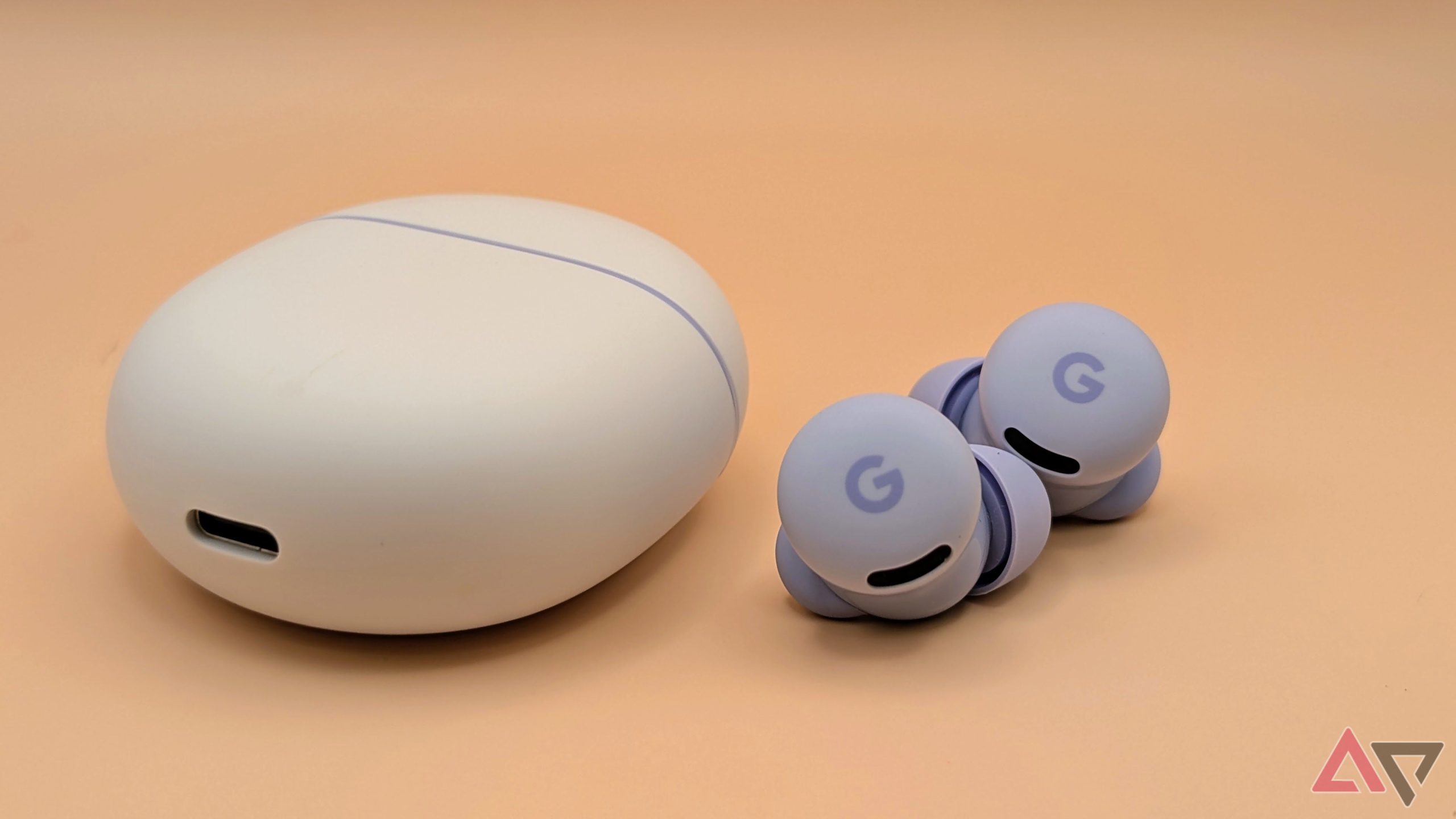
Google Fast Pair devices need an immediate update for hacking risk By Matthew Mountjoy Published 33 minutes ago Here is a fact-based summary of the story contents: Google designed the…
Sources
- Google Fast Pair devices need an immediate update for hacking risk
- Hundreds of Millions of Audio Devices Need a Patch to …
- Bluetooth Headphones Can Be Weaponized to Hack Phones
- Bluetooth and the Invisible Security Threat You're Probably …
Related posts
- Simple CodeBuild misconfig let attackers seize AWS repos and cloud control
- January security update breaks Windows App logins for Azure Virtual Desktop users
- Woman bailed as police probe alleged data theft at Walsall GP surgery