
TL;DR
Researchers at Hokkaido University and TDK Corp. in Japan have created a chip reported to beat human opponents at rock-paper-scissors by anticipating choices. The developers say the device does not read minds; details about the technique and performance are not provided in the excerpt.
What happened
Rock-paper-scissors is commonly treated as a mix of psychology, bluffing and randomness. According to an IEEE Spectrum report, a research group made up of engineers at Hokkaido University and personnel from TDK Corp. has designed a hardware chip intended to exploit those psychological patterns and win at the game. The brief excerpt frames the device as capable of understanding a human player well enough to prevail consistently, while explicitly noting that the chip does not perform mind reading. The available snippet does not include technical details such as the chip's internal architecture, training data, experimental setup, or measured win rates. It also does not state whether the device has been tested broadly against many human players, whether it operates in real time, or whether it is a prototype or a commercial product.
Why it matters
- Demonstrates continued interest in small, task-specific AI hardware that targets human behavioral prediction.
- If effective, such devices could inform research on human–machine interaction and opponents modeling in games.
- Raises questions about ethical boundaries when machines predict or exploit human decision patterns.
- Highlights collaboration between academic researchers and legacy electronics firms adapting to AI-focused work.
Key facts
- The work involves a team at Hokkaido University and the TDK Corp., both based in Japan.
- The published report appeared on IEEE Spectrum (source URL provided) on 2025-12-16.
- The team has designed a chip claimed to be able to win at rock-paper-scissors by understanding players.
- The excerpt specifies the device does not read minds.
- The article excerpt emphasizes that rock-paper-scissors relies heavily on psychology and chance.
- The short excerpt does not include technical descriptions of how the chip makes predictions.
- Details such as accuracy statistics, experimental protocols, and availability are not included in the excerpt.
What to watch next
- Technical description of the chip’s method for predicting choices — not confirmed in the source.
- Experimental results and win-rate statistics against diverse human players — not confirmed in the source.
- Whether the design is a research prototype or intended for commercialization — not confirmed in the source.
Quick glossary
- Rock-paper-scissors: A hand game where players simultaneously show one of three options (rock, paper, scissors); each option beats one of the others and loses to the third.
- Chip: A small piece of semiconductor material on which integrated circuits are fabricated to perform electronic functions.
- Prediction (in AI): The process by which a model estimates an outcome or label for new input data based on patterns learned from training data.
- Human–machine interaction: The study and design of interfaces and behaviors that govern how humans and automated systems communicate and work together.
Reader FAQ
Can the chip read your mind?
The source explicitly says the chip does not read minds.
Who built the chip?
A team at Hokkaido University working with TDK Corp., both based in Japan.
How does the chip predict moves in the game?
Not confirmed in the source.
Is the chip available to buy or widely tested?
Not confirmed in the source.
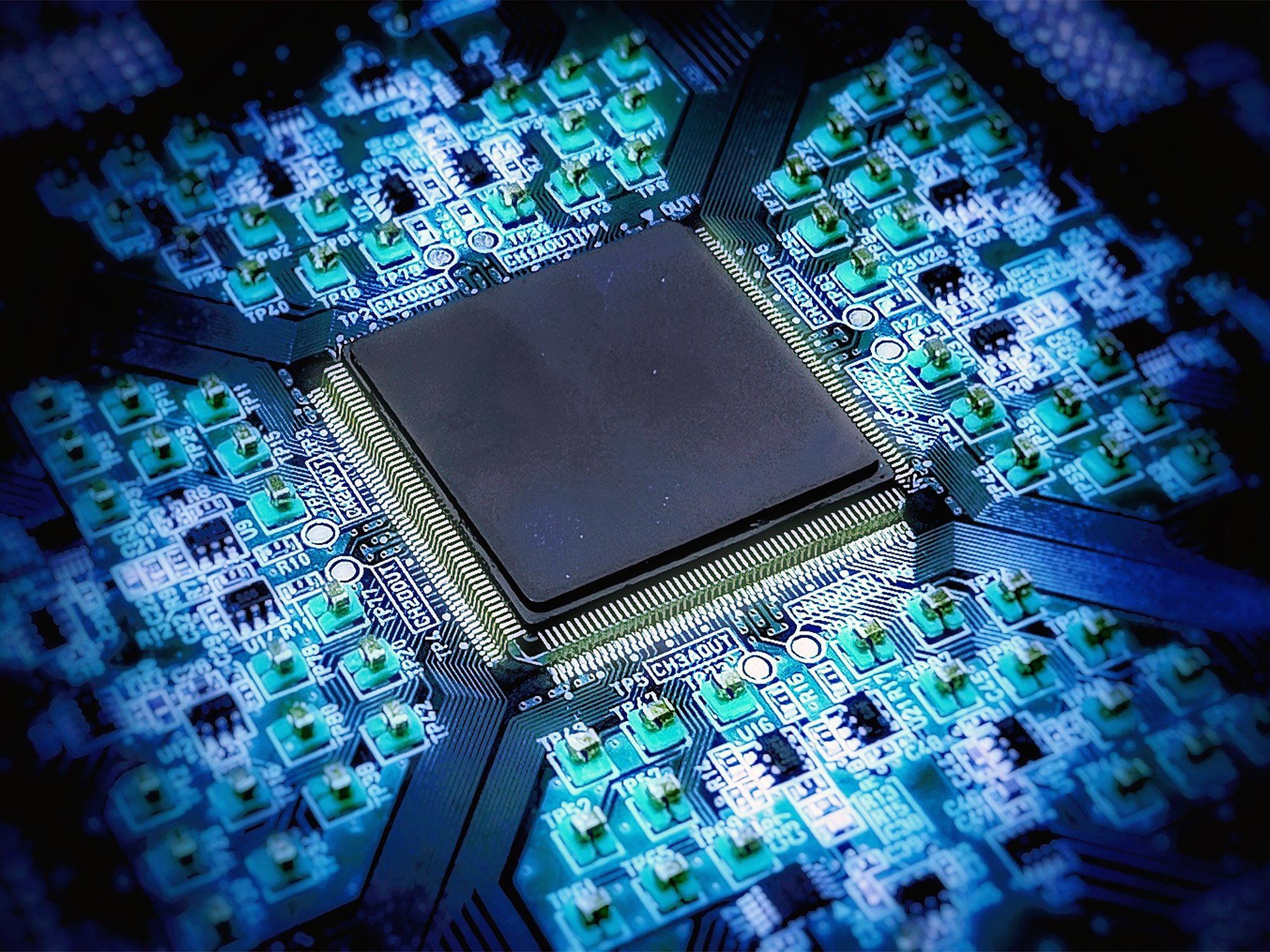
Rock-paper-scissors is often a game of psychology, reverse psychology, reverse-reverse psychology, and chance. But what if a computer could understand you well enough to win every time? A team at…
Sources
- This AI Can Beat You At Rock-Paper-Scissors
- This robot will beat you at rock-paper-scissors 100 percent …
- Superfast rock-paper-scissors robot 'wins' every time
Related posts
- CHIPS Act Program Loses Funding: Digital-Twin Center Contract Ends
- Video Friday: Holiday-themed robotics videos and lab greetings roundup
- IEEE Spectrum’s Most-Read Biomedical Stories of 2025 Highlight AI and Revamps