
TL;DR
In December 1975 Rob and Dianne Parsons invited Ronnie Lockwood into their Cardiff home for Christmas; he remained with them for 45 years. Ronnie, who had autism and a history of being in care and homeless, became a long-term member of the family until his death in 2020.
What happened
On 23 December 1975 Rob and Dianne Parsons, then in their twenties and newly married, answered a knock at their door and invited a man named Ronnie Lockwood in for Christmas. Ronnie arrived carrying a bin bag of his possessions and a frozen chicken; he had been living without a stable home since his mid-teens. The couple intended to host him only for the holiday but after learning he needed an address to get work and discovering the barriers facing homeless people, they invited him to stay. The Parsons helped Ronnie into steady work, supported his daily routines and included him in family life as they raised two children. Ronnie contributed to household tasks and local church volunteering. He lived with the family for 45 years until he died in 2020 at age 75. After his death, a wellbeing centre in Cardiff was named Lockwood House and Ronnie left £40,000 to charity that went toward repairs.
Why it matters
- A single act of household hospitality became a decades-long caregiving and companionship arrangement, illustrating how informal family care can unfold.
- The story highlights gaps in services that can trap people experiencing homelessness in a cycle where they need an address to get a job but need a job to secure an address.
- It shows how people with autism can be integrated into family and community life when given sustained support and inclusion.
- Ronnie's posthumous gift and the naming of a wellbeing centre show how personal legacies can impact local services for vulnerable people.
Key facts
- Rob and Dianne Parsons invited Ronnie Lockwood into their Cardiff home on 23 December 1975.
- At the time Ronnie was almost 30; Rob was 27 and Dianne 26.
- Ronnie had autism and had been without stable accommodation since about age 15.
- He had been placed in a school about 200 miles away as a child and later returned to Cardiff with little support, according to research Rob did for his book 'A Knock on the Door'.
- The couple helped Ronnie secure work as a waste collector and supported his daily routines.
- Ronnie lived with the Parsons family for 45 years and was involved in church volunteering and community activities.
- He died in 2020 at age 75 after suffering a stroke.
- Ronnie left £40,000 to charity in his will; that sum was used toward repairs for a local centre and a new £1.6m wellbeing centre was named Lockwood House in his memory.
- Only 50 people were allowed to attend his funeral because of Covid restrictions; the family received more than 100 sympathy cards.
What to watch next
- How local social and housing services currently address the 'address-to-work' barrier that affected Ronnie — not confirmed in the source.
- Whether community wellbeing resources like Lockwood House generate measurable local support for people experiencing homelessness — not confirmed in the source.
- The sustainability of long-term informal care arrangements as carers age and families' needs change — not confirmed in the source.
Quick glossary
- Autism: A neurodevelopmental condition characterised by differences in social communication and behaviour; support needs vary widely between individuals.
- Care home: A residential facility providing accommodation and personal care for people who cannot live independently.
- Chronic fatigue syndrome (ME): A long-term medical condition marked by extreme fatigue and other symptoms that can limit daily activities.
- Homelessness: The condition of lacking stable, safe and adequate housing; it can include sleeping rough, temporary shelters or insecure accommodation.
- Wellbeing centre: A community facility offering services and activities aimed at supporting health, social connection and access to local resources.
Reader FAQ
How long did Ronnie live with the Parsons family?
He lived with Rob and Dianne Parsons for 45 years, from December 1975 until his death in 2020.
Why was Ronnie homeless before moving in?
According to the Parsons and research mentioned in Rob's book, Ronnie had been placed in institutional care as a child, sent to a school far from home, and was left without support when he returned to Cardiff around age 15.
Did Ronnie work while living with the family?
Yes. The Parsons helped him get a job as a waste collector.
Was the family's long-term arrangement with Ronnie planned?
No. The couple intended to host him only for Christmas but chose to keep him after learning about practical barriers he faced; the decades-long arrangement evolved from that decision.
Did the family receive formal support for caring for Ronnie?
not confirmed in the source
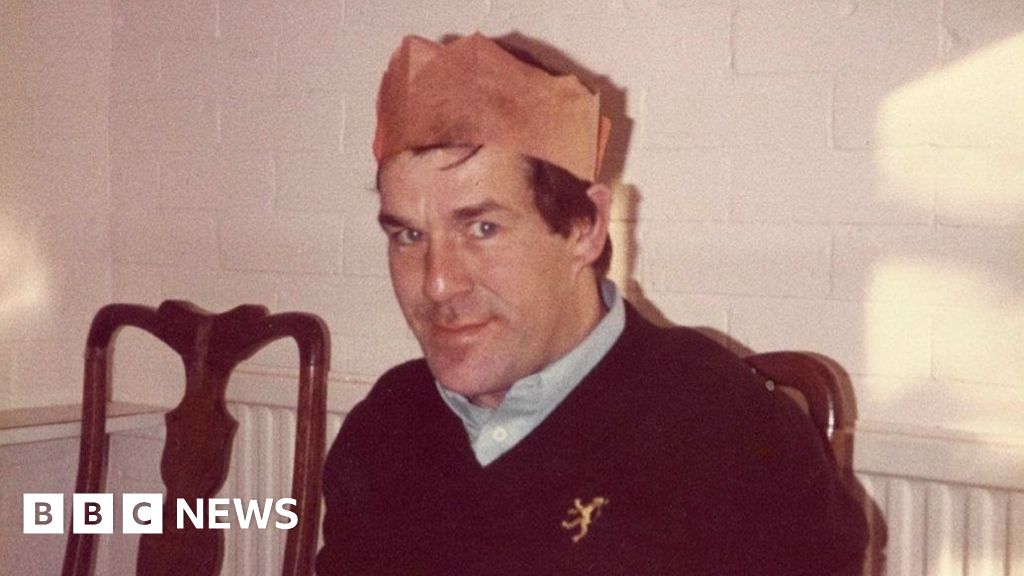
We invited a man into our home at Christmas and he stayed with us for 45 years 3 hours ago Share Save Charlie Buckland BBC Wales BBC Christmas is often…
Sources
- We invited a man into our home at Christmas and he stayed with us for 45 years
- How a Christmas knock at the door changed Rob Parsons …
- Cardiff couple invited man in at Christmas – he stayed 45 …
- It had been 45 years since Ronnie turned up at our door …
Related posts
- Self-referencing Page Tables for x86 Architecture: Bachelor Thesis Findings
- New Study Finds Traces of Wolf DNA Across Many Modern Dog Breeds
- You don’t need Linux to run free, open-source software on macOS and Windows