
TL;DR
Rapid growth of AI workloads is driving an acute shortage of DRAM memory chips, with demand outstripping supply and manufacturers paying sharply higher prices. Analysts and industry executives warn the squeeze is likely to raise costs for PCs, phones and other consumer electronics through at least 2026.
What happened
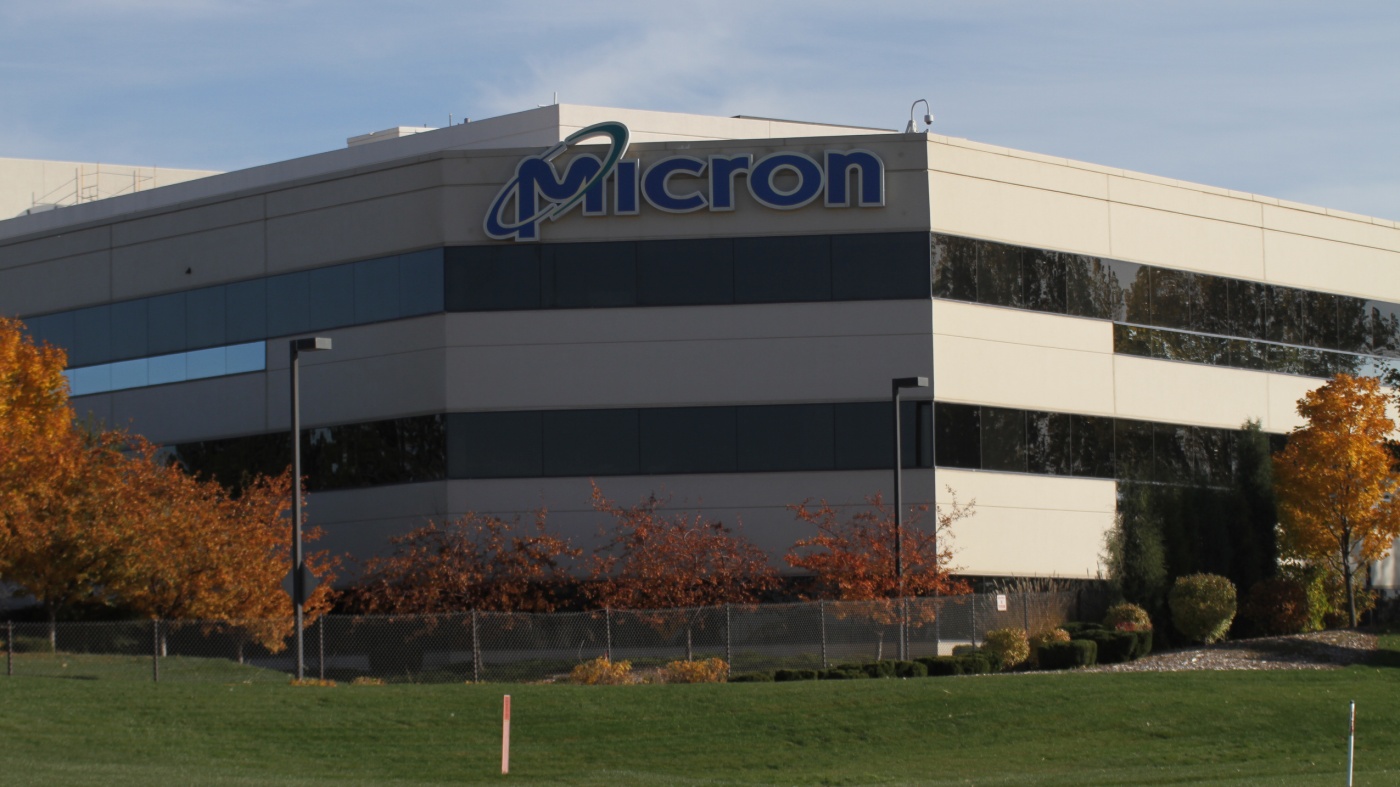
The boom in AI compute — particularly large GPU-based training and inference systems — has created heavy demand for high-end RAM, squeezing the market for dynamic random access memory (DRAM). TrendForce data cited by industry analysts shows demand surpassing supply by about 10%, and manufacturers are paying far more to secure inventory: common DRAM prices were about 50% higher this quarter than the previous one, and expedited orders can cost two to three times more. TrendForce forecasts another roughly 40% increase in DRAM prices next quarter and does not expect prices to fall during 2026. Major memory supplier Micron has reported stronger-than-expected earnings amid the rally and said the industry is likely to remain materially short of aggregate supply for the foreseeable future. Chipmakers have been shifting output toward AI-grade memory, leaving fewer components for PCs, phones, game consoles and other consumer devices.
Why it matters
- Higher DRAM costs are likely to raise manufacturing expenses for PCs, smartphones, game consoles and TVs, which could be passed on to consumers.
- Chipmakers shifting production to AI memory may lead to persistent supply imbalances across multiple device categories.
- Industry capacity limits through 2026 mean short-term supply relief is constrained, affecting product planning and inventory management.
- Sustained memory price inflation can reshape margins for hardware makers and influence purchase timing for businesses and consumers.
Key facts
- TrendForce estimates demand for RAM chips exceeds supply by about 10%.
- Manufacturers paid roughly 50% more for common DRAM this quarter versus the previous quarter.
- Expedited DRAM deliveries have cost buyers two to three times more than normal orders.
- TrendForce projects DRAM prices could rise another ~40% in the coming quarter.
- TrendForce does not expect DRAM prices to decline during 2026.
- Micron reported better-than-expected quarterly results and said industry supply will remain substantially short of demand for the foreseeable future (company statement paraphrased).
- Chipmakers are prioritizing production of high-end memory for AI, reducing allocations to PCs, mobile devices, gaming hardware and consumer electronics.
- Dell’s chief operating officer warned higher component costs are likely to make their way to customers (company comment paraphrased).
- Analysts say current fabrication capacity will be maxed out by the end of 2026.
- Micron’s next new factory in Idaho is expected to begin operations in 2027 (company statement paraphrased).
What to watch next
- Quarterly DRAM price reports and TrendForce updates on the projected 40% near-term price rise.
- Progress and timing of Micron’s Idaho plant becoming operational in 2027.
- Inventory allocations from chipmakers to non-AI segments such as PCs and mobile devices — not confirmed in the source.
Quick glossary
- DRAM: Dynamic Random Access Memory, a common type of volatile memory used to store working data for processors.
- RAM: Random Access Memory — the short-term memory in computing devices used to hold data for running applications and processes.
- GPU: Graphics Processing Unit, a processor optimized for parallel workloads; widely used to train and run AI models.
- Data center: A facility that houses computing infrastructure, including servers and storage, used to run cloud and large-scale computing workloads.
- Training and inference: Two phases of AI workloads: training builds models from data, while inference uses trained models to make predictions.
Reader FAQ
Will device prices increase because of this memory shortage?
Analysts and some executives expect higher memory costs to flow through to customers, but exact price increases for specific devices are not confirmed in the source.
Why is AI driving the memory shortage?
AI training and inference systems require large, persistent memory footprints with high bandwidth close to compute, increasing demand for high-end DRAM.
How large have recent DRAM price moves been?
Reportedly, DRAM prices were about 50% higher this quarter compared with the previous one; expedited orders have cost two to three times more, and another ~40% rise is expected next quarter.
When will supply improve?
Analysts say existing fab capacity will be maxed by the end of 2026; Micron’s next new factory is expected to start operating in 2027, but broader supply relief timing is not confirmed in the source.
Play Live Radio BUSINESS Memory loss: As AI gobbles up chips, prices for devices may rise DECEMBER 28, 20256:00 AM ET HEARD ON ALL THINGS CONSIDERED John Ruwitch LISTEN· 3:43…
Sources
- As AI gobbles up chips, prices for devices may rise
- RAM Shortage 2025: How AI Demand is Raising DRAM …
- The AI frenzy is driving a memory chip supply crisis
- Server DRAM prices surge up to 50% as AI-induced …
Related posts
- CEOs Are Increasingly Costly: Could Automation Replace Top Executives?
- Global memory chip shortage reshapes smartphone and PC markets in 2026
- MayimFlow aims to predict and prevent water leaks in data centers