
TL;DR
In Whittier, Alaska, Tupe Smith — born in American Samoa and elected to a local school board — was arrested and charged for voting and running in local elections she says she believed she could participate in. The case highlights confusion over the status of American Samoans, who are U.S. nationals but not citizens and therefore barred from most U.S. voting and officeholding.
What happened
On November 30, 2023, Alaska State Troopers arrested Tupe Smith in Whittier, a town of roughly 300 residents reached through a long tunnel. Smith had been elected to the local school board on Oct. 3, winning 106 votes in an uncontested race. Officers told her she had violated election law by registering to vote and filing to run; she had been unaware that, although born in American Samoa and holding a U.S. passport and Social Security number, she is not a U.S. citizen and therefore ineligible to vote or hold many public offices. The arrest led investigators to examine other American Samoan residents in the town. Smith faced a ten-count warrant of felony voter misconduct; prosecutors took five counts to a grand jury, which rejected three and returned indictments on two counts, each carrying up to five years. The episode unfolded against the backdrop of Whittier’s close-knit Begich Towers community and broader confusion about voting rights for American Samoans in Alaska.
Why it matters
- It exposes a little-known legal distinction: American Samoans are U.S. nationals, not citizens, and so lack automatic voting rights and eligibility for many public roles.
- The arrests underscore how gaps in public understanding — among residents and some officials — can lead to criminal prosecutions.
- The case raises questions about how election officials and law enforcement identify and handle noncitizen nationals who register or vote.
- It highlights the human consequences of a legal status that affects people who pay taxes, serve in the military, and participate in U.S. communities.
Key facts
- Tupe Smith was arrested on Nov. 30, 2023, in Whittier, Alaska, and was charged with voter misconduct related to registering and running for local office.
- Smith was elected to the Whittier school board on Oct. 3, winning 106 votes in an uncontested race.
- American Samoans are classified as U.S. nationals, not U.S. citizens; people born in American Samoa do not automatically receive U.S. citizenship.
- Despite holding a U.S. passport and a Social Security number, Smith is not a U.S. citizen, according to the reporting.
- Smith’s initial arrest warrant listed 10 felony counts; prosecutors presented five counts to a grand jury, which returned indictments on two counts and rejected three.
- Each of the two counts that led to indictment carries a potential five-year prison term.
- Whittier’s Begich Towers houses much of the town’s population and communal life; many residents there are American Samoans.
- In the months after Smith’s arrest, investigators expanded their inquiries to relatives and neighbors in Whittier.
What to watch next
- Whether Smith is convicted, acquitted, or reaches a plea agreement — not confirmed in the source.
- Any state or local policy changes, official guidance, or training for registrars and election workers about American Samoan nationals’ voting eligibility — not confirmed in the source.
- Potential legal challenges or appeals related to prosecutions of American Samoan nationals who registered or voted — not confirmed in the source.
Quick glossary
- U.S. national: A person who owes allegiance to the United States but does not have all the rights of U.S. citizenship; American Samoans are classified as U.S. nationals.
- U.S. citizen: A person who, by birth or naturalization, has full legal membership in the United States with associated voting and civic rights.
- Grand jury: A panel of citizens convened to evaluate whether prosecutors have sufficient evidence to bring criminal charges.
- Voter registration: The process by which eligible residents enroll to vote in elections; rules and eligibility vary by jurisdiction.
- Miranda rights: A set of warnings police give to suspects in custody informing them of their right to remain silent and to an attorney.
Reader FAQ
Why can’t people born in American Samoa automatically vote in U.S. elections?
American Samoa’s births confer U.S. national status rather than full U.S. citizenship, and noncitizen nationals are ineligible to register and vote in most U.S. elections.
Did Smith hold U.S. identity documents?
According to the reporting, Smith had a U.S. passport and a Social Security number but was not a U.S. citizen.
How many charges did prosecutors bring against Smith?
An initial arrest warrant listed 10 felony counts; prosecutors presented five counts to a grand jury, which indicted Smith on two counts and declined three.
Are broader policy reforms or legal outcomes following these arrests known?
not confirmed in the source
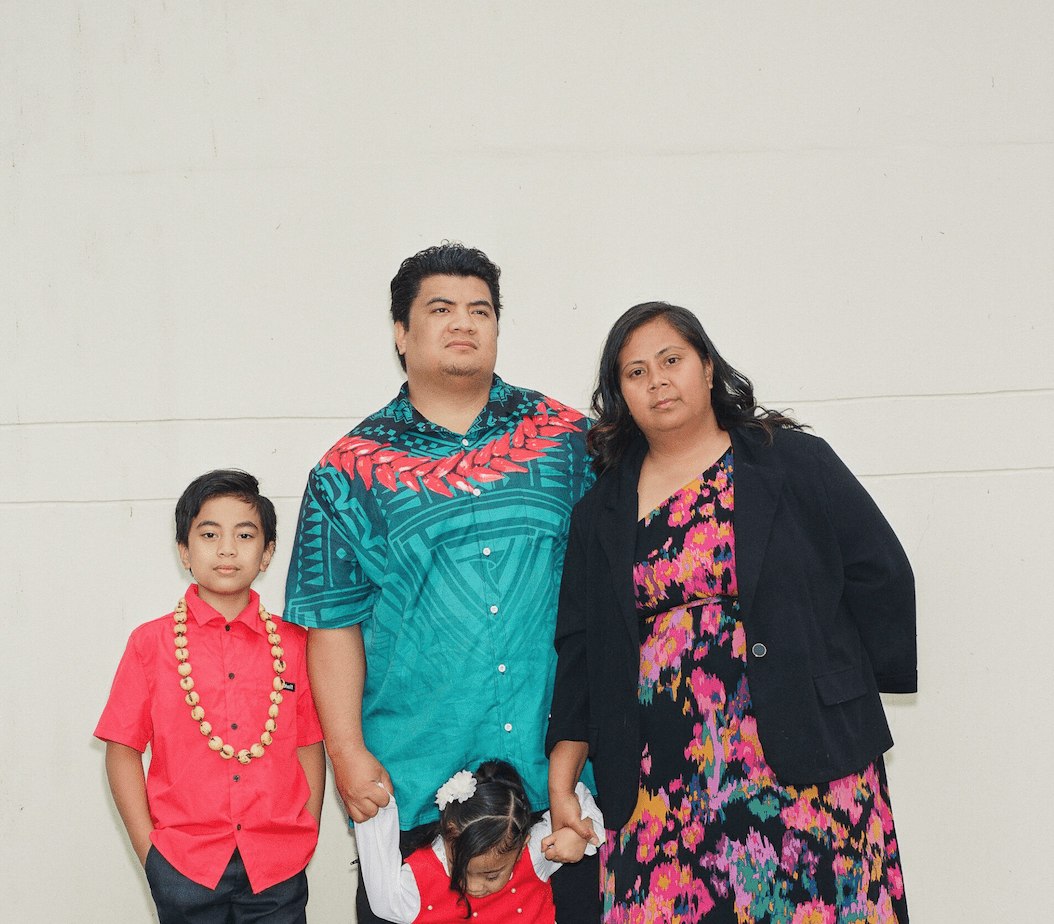
Americans by Name, Punished for Believing It In a small Alaska town, American Samoans face prosecution for voting in the only country they’ve ever known. They live in a limbo,…
Sources
- Americans by Name, Punished for Believing It
- 10 Alaskans born in American Samoa plead not guilty …
- From Utah to Alaska, American Samoans face legal fight …
- Alaska charges 10 American Samoans with voter …
Related posts
- NAD rebukes T‑Mobile ads over price-hike and satellite coverage claims
- Aphex Twin on pitch standards, sample rates, cymatics and quirky hardware
- Are AI coding assistants actually getting worse? A look at emerging concerns