
TL;DR
Analyst Jeff Pu shared a GF Securities–based spec breakdown for Apple’s 2026 iPhone 18 family, including a foldable model that is expected to use Touch ID instead of Face ID. Pu also projects Apple will grow shipments and market share in 2026 while equipping the lineup with silicon, memory, and packaging aimed at on-device AI.
What happened
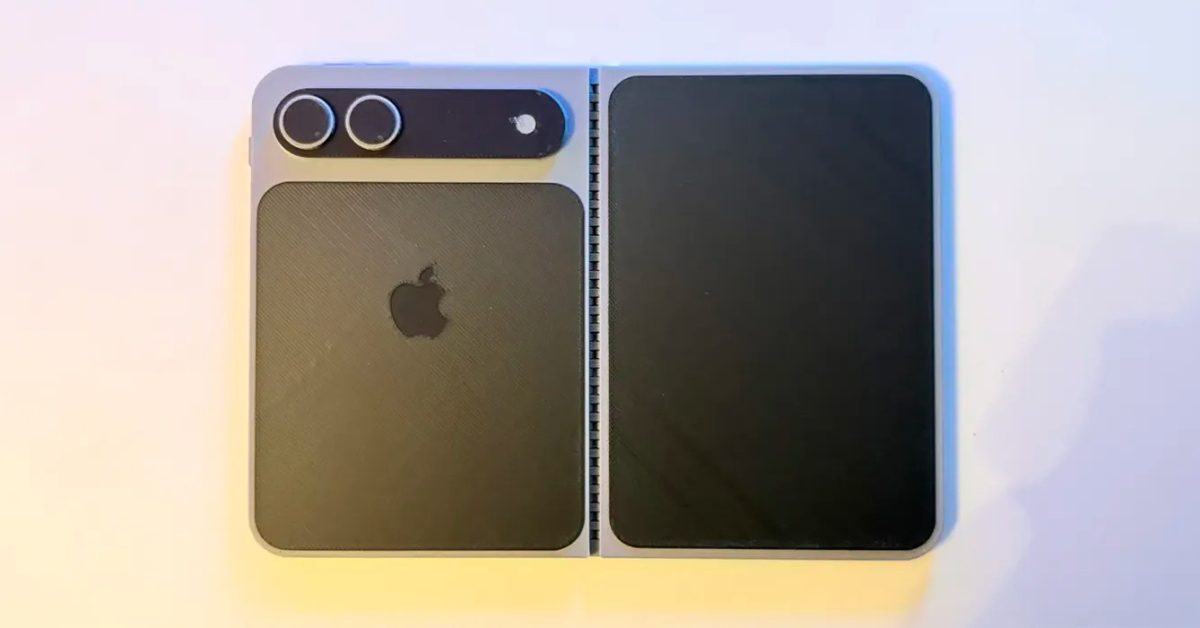
In a new investor note, analyst Jeff Pu reiterated earlier reports about Apple’s planned 2026 iPhone 18 family and published a hardware table (sourced to GF Securities) that covers the iPhone 18 Pro, iPhone 18 Pro Max and an iPhone Fold. The note lists launch timing in September 2026 for the three devices and gives specific component expectations: A20 Pro processors built on N2 process technology with WMCM packaging, 12GB of LPDDR5 across the Pro and Fold models, detailed front- and rear-camera module configurations, and a baseband labelled Apple C2. Pu singled out the foldable model as using Touch ID rather than Face ID, and said the Fold will combine titanium and aluminum in its casing. He argues these hardware choices are intended to boost on-device AI capability, supporting a more capable Siri rollout that Apple expects in 2026.
Why it matters
- A shift toTouch ID on the Fold changes biometric strategy for a new product category and may affect user experience and security tradeoffs.
- Standardizing 12GB LPDDR5, N2 silicon and WMCM packaging signals Apple is prioritizing on‑device AI performance across high-end models.
- If Apple grows shipments as Pu predicts, it could increase market share even amid a forecasted global smartphone contraction.
- Combining titanium and aluminum on the Fold would mark a departure from all-aluminum builds on the Pro models and could affect weight and durability.
Key facts
- Analyst: Jeff Pu (GF Securities data cited) published the spec table and supply expectations.
- Launch timing: iPhone 18 Pro, iPhone 18 Pro Max and iPhone Fold expected in September 2026 (per the note).
- Display sizes listed: iPhone 18 Pro 6.3", iPhone 18 Pro Max 6.9", iPhone Fold 7.8" internal with a 5.3" external/sub display.
- Processor and packaging: All three models listed with A20 Pro, N2 process node and WMCM packaging.
- Memory: 12GB LPDDR5 DRAM across the iPhone 18 Pro, Pro Max and Fold in the table.
- Biometrics: Pro models retain Face ID with a structured-light system and smaller Dynamic Island; the Fold is shown with no Face ID and relies on Touch ID.
- Casing: Pro and Pro Max listed as aluminum; the Fold listed as titanium plus aluminum.
- Cameras: Front cameras listed at 18MP (6P optics) and rear camera configurations noted primarily as 48MP modules with entries referencing 7P elements, periscope options and 6P optics (detailed module breakdown in Pu’s table).
- Baseband: All models reported to use an Apple C2 baseband.
- Apple shipment forecast: Pu projects about 250 million iPhone shipments in 2026, a ~2% increase year-over-year, lifting Apple’s share to roughly 21%.
What to watch next
- Apple's official product reveal expected in September 2026 to confirm or revise these analyst-projected specs.
- Whether the iPhone Fold’s Touch ID implementation is preferred over Face ID in real-world use and security — not confirmed in the source
- Pricing, battery capacity, hinge durability and long-term reliability for the Fold — not confirmed in the source
- Rollout and capabilities of the upgraded on-device Siri tied to N2 silicon and WMCM packaging (Pu expects a more capable Siri in 2026)
Quick glossary
- Touch ID: Fingerprint-based biometric authentication that unlocks a device and approves transactions using a registered fingerprint.
- Face ID: A facial-recognition system that uses depth-sensing (structured light) and neural processing to authenticate users.
- LPDDR5: A low-power DDR RAM standard used in mobile devices that offers higher bandwidth and efficiency compared with previous generations.
- WMCM packaging: A multi-chip module or advanced packaging approach designed to place multiple silicon components closely together to improve performance and power efficiency.
- Periscope lens: A camera module design that uses folded optics to achieve higher optical zoom levels within a thin phone chassis.
Reader FAQ
Will the iPhone Fold use Face ID?
According to Jeff Pu’s investor note, the Fold is expected to rely on Touch ID rather than Face ID.
When are the iPhone 18 Pro, Pro Max and Fold expected to launch?
The analyst note lists September 2026 for those three models; the base iPhone 18 and two other models are expected the following spring.
Are these specifications confirmed by Apple?
not confirmed in the source
Why is Apple moving to N2 silicon, WMCM packaging and 12GB LPDDR5?
Pu links those upgrades to supporting more advanced on-device AI workloads, including a more capable Siri anticipated in 2026.
What are the expected camera specs for the Fold?
Pu’s table lists 18MP front cameras for folded and unfolded states and rear configurations centered on 48MP modules with references to 7P and 6P optics and periscope elements.
Apple Notes could get a powerful new advantage in iOS 26.4, per report Ryan Christoffel Jan 14 2026 IPHONE IPHONE FOLD IPHONE 18 Jeff Pu shares expected tech specs for…
Sources
Related posts
- India’s antitrust watchdog issues final warning to Apple over investigation delays
- Shohei Ohtani, LA Dodgers’ Four-Time MVP, Stars in Beats’ New Los Angeles Campaign
- Apple TV Secures Untitled Thriller Starring Dakota Fanning; Elle to Produce