
TL;DR
Apple published findings from roughly 100,000 participants in its Apple Heart and Movement Study showing Apple Watch users tend to boost exercise in January and keep those gains into spring. Apple also highlighted new Apple Fitness+ program offerings and its annual January activity challenge.
What happened
In a press release, Apple summarized four years of data from about 100,000 participants in the Apple Heart and Movement Study to track exercise-minute trends around the new year. After a dip in average daily exercise during November and December, the company reported a rapid increase in January among Apple Watch wearers. More than 60% of users increased their daily exercise minutes by over 10% during the first two weeks of January compared with their December averages. Of those who boosted activity, nearly 80% maintained the higher levels through the latter half of January, and 90% of that group continued with elevated exercise minutes through February and March. Apple also shared a multi-year chart of the trend, announced upcoming multi-week programs on Apple Fitness+, and reminded users about a Ring in the New Year challenge running January 7–31.
Why it matters
- Large-sample observational data suggests many Apple Watch users increase and sustain activity after the holidays, a period when resolutions typically lapse.
- Wearable-tracked progress and in-app programs may support short-term habit formation around fitness goals.
- Product and platform features (challenges, guided programs) appear positioned to reinforce consistent activity early in the year.
- The findings inform how device makers and fitness services frame retention and engagement around seasonal behavior changes.
Key facts
- Source: Apple press release summarizing data from the Apple Heart and Movement Study.
- Sample size: approximately 100,000 participants tracked over the past four years.
- Pattern observed: average daily exercise minutes dipped in November–December and rose rapidly in January.
- Over 60% of users increased daily exercise minutes by more than 10% in the first two weeks of January versus December averages.
- Nearly 80% of those who increased activity kept up the higher levels through the second half of January.
- Of that maintaining group, 90% retained elevated exercise minutes through February and March.
- Apple shared a chart illustrating the four-year trend in average exercise minutes for Apple Watch users.
What to watch next
- Performance and user uptake of the new multi-week programs launching on Apple Fitness+ this month.
- Participation and completion rates for Apple’s Ring in the New Year challenge (Jan 7–31) and whether it correlates with sustained activity.
- Whether elevated exercise levels persist beyond March — not confirmed in the source.
Quick glossary
- Apple Watch: A wrist-worn device by Apple that tracks activity, health metrics and supports fitness features and apps.
- Apple Fitness+: Apple’s subscription service offering guided workouts, programs and fitness content designed to integrate with Apple Watch data.
- Quitter’s Day: A term used to describe the second Friday in January when many New Year’s fitness resolutions are said to lapse.
- Activity rings: Visual progress indicators on Apple Watch representing Move, Exercise and Stand targets that users can close each day.
- Apple Heart and Movement Study: A research initiative that collects health and activity data from participants using Apple devices to study patterns over time.
Reader FAQ
Where did these figures come from?
Apple reported the numbers in a press release drawing on roughly 100,000 participants in the Apple Heart and Movement Study over four years.
What is meant by Quitter’s Day?
Apple defines Quitter’s Day as the second Friday in January, a common point when many people abandon New Year’s fitness resolutions.
Did Apple prove that the Watch caused people to exercise more?
Not confirmed in the source. The release reports observed behavior of Apple Watch users but does not establish causal proof.
How do I earn the Ring in the New Year award?
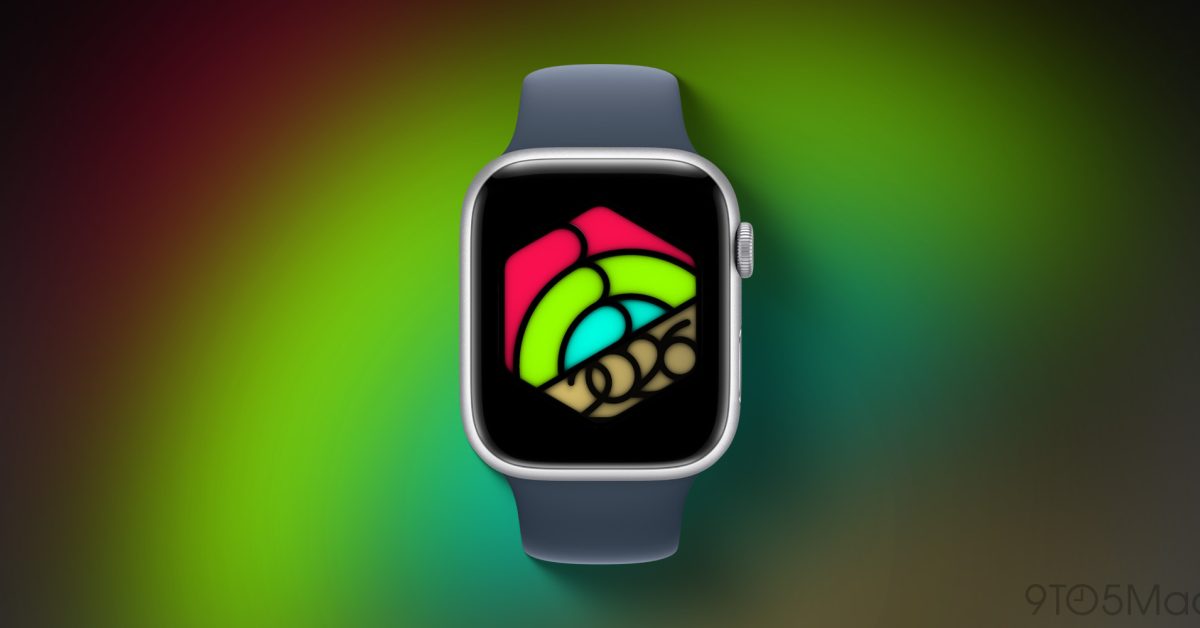
Apple’s January challenge runs Jan 7–31; users earn the award by closing all three Activity rings for seven consecutive days in January.
All the new products Apple released in 2025 Chance Miller Dec 31 2025 How Apple Watch helps people make it past ‘Quitter’s Day’ with their fitness resolutions Chance Miller | Jan…
Sources
- How Apple Watch helps people make it past ‘Quitter’s Day’ with their fitness resolutions
- Stay active in the new year with Apple Watch
- Apple Watch users stick with fitness goals longer than most
- 80% of Apple Watch users who step up exercise now push …
Related posts
- iOS 26.2 brings three new ways to personalize iPhone appearance and alerts
- Apple reportedly readies higher-end AirPods Pro 3 with IR cameras
- Ukrainian Soldier’s M1 MacBook Air Blocks Artillery Fragment and Still Works