
TL;DR
A commentator revisits early internet experiences and says many peers are worn out by modern social networks. He tried federated alternatives like Mastodon and Bluesky but found engagement lacking and still feels disillusioned with today's platforms.
What happened
In a reflective post, the author traces a shift from the early internet—where people used desktop-based instant messengers, IRC and forums—to a landscape dominated by a few large social networks. He describes growing fatigue with online socializing, blaming commercial incentives that reward sensational, divisive, or ad-driven content. The post cites problems such as filter bubbles, hate speech, heavy advertising, misinformation and a rise in AI-generated click- and rage-bait. Seeking an escape, the author joined federated networks, noting Mastodon initially felt promising because it is open source and less curated, but later encountered low reciprocal engagement and left. He then tried Bluesky but reports similar experiences across newer platforms. The author says he now posts intermittently—mainly about development work—and misses active, supportive developer communities, but does not pursue a larger change.
Why it matters
- Platform business models can prioritize engagement and revenue over healthy conversation, shaping what people see and share.
- Widespread fatigue may reduce meaningful online interaction and undermine niche communities that once flourished.
- Federated and open-source alternatives face engagement challenges even if they avoid heavy commercial moderation.
- Rising use of AI to generate outrage-driven content could amplify misinformation and user burnout.
Key facts
- The author recalled earlier internet tools: ICQ, MSN, IRC, Skype, TeamSpeak, Ventrilo and Mumble, alongside forums.
- He reports many peers feel tired of social media and socializing online.
- Large networks named include Facebook, Instagram, TikTok, Reddit and Twitter as current dominant spaces.
- Problems listed include bubbles, hate speech, plentiful ads, misinformation and revenue-driven controversial content.
- The post raises concern about AI-generated rage or click-bait content increasing across platforms.
- The author explored Mastodon and the wider fediverse as an alternative and initially had a positive experience.
- Over time he felt posts on Mastodon were like speaking into a void; he left and moved to Bluesky but saw similar dynamics.
- The term 'Enshittification' is invoked to describe perceived degradation of popular internet services; Google Play is mentioned as an example of platform power being abused.
- He now posts occasionally about development work and misses supportive developer communities.
What to watch next
- Whether federated platforms like Mastodon and Bluesky can build sustained, reciprocal engagement among users — not confirmed in the source
- How the growth of AI-generated outrage-driven content will affect platform ecosystems and user fatigue — not confirmed in the source
- If broader public sentiment will shift back toward smaller, community-focused communication tools or remain concentrated on major networks — not confirmed in the source
Quick glossary
- Fediverse: A collection of interoperable social platforms that communicate via open protocols, allowing users on different servers to interact.
- Mastodon: An open-source, federated social network that is part of the fediverse and emphasizes decentralized moderation and server-level control.
- Enshittification: A colloquial term used to describe the perceived decline in quality of digital services as they become more commercialized and extractive.
- Ragebait: Content designed to provoke anger and strong negative reactions to increase engagement, often used to drive clicks and ad revenue.
- VoIP: Voice over Internet Protocol, technology that allows voice communication over internet networks (used by tools such as Skype and Mumble).
Reader FAQ
Why does the author feel tired of social media?
He cites commercialization, pervasive ads, misinformation, filter bubbles and AI-driven click- and rage-bait as reasons for his fatigue.
Did the author try alternatives to mainstream platforms?
Yes. He joined Mastodon and later Bluesky, finding initial promise but ultimately low reciprocal engagement and similar problems.
Is this exhaustion presented as a widespread trend?
The author reports many peers share his feelings, but broader prevalence beyond his circle is not detailed in the source.
Does the post cite data to support its claims?
The post references the World Happiness Report but does not include specific data or figures in the source.
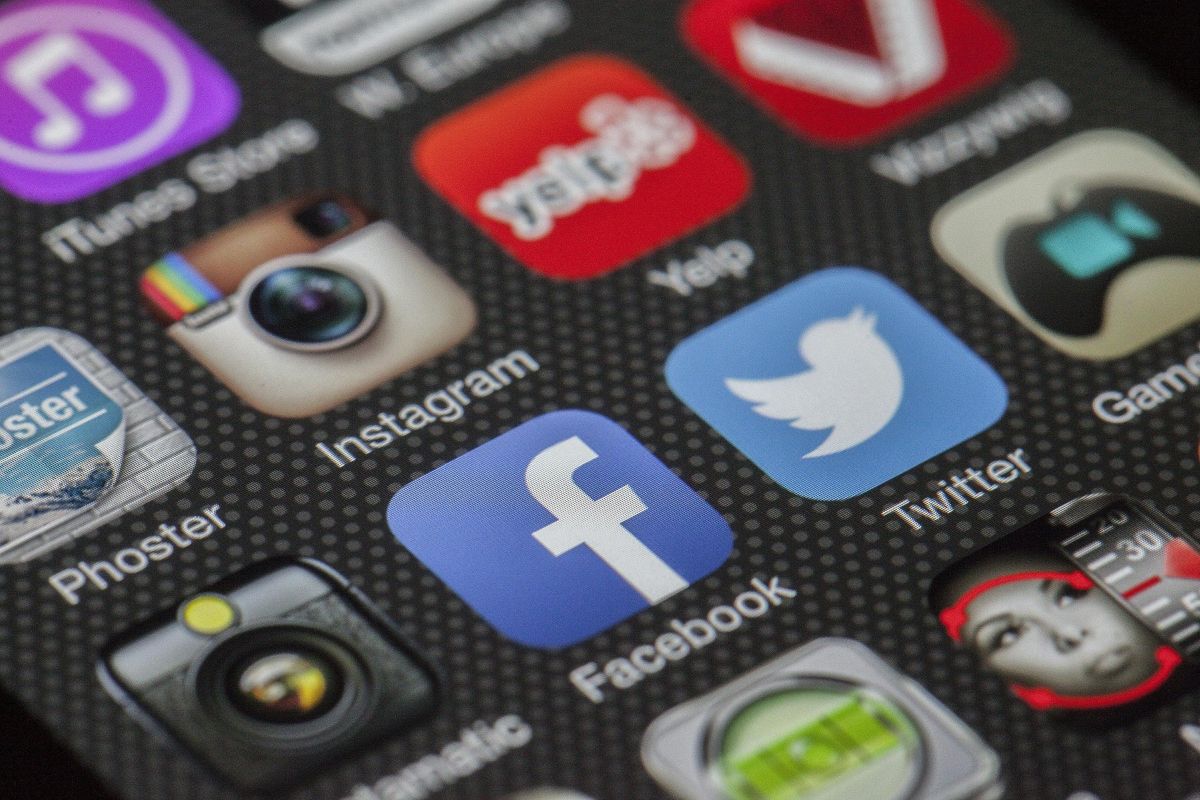
Are we tired of social media once and for all? Posted by Daniel Brendel 9 months ago I've been asking this question to myself a few times now. When I…
Sources
- Are we tired of social media? (2025)
- The Last Days Of Social Media
- Is Social Media Over Its Peak? Or Are We Just Entering Its …
- Why Social Media Feels Exhausting in 2025
Related posts
- Recreating Steve Jobs’s 1975 Atari Horoscope Program — Run the Emulation
- Is the Internet’s social era over? Many users say they’re exhausted
- Electronic nose technology for detecting and identifying indoor mold