
TL;DR
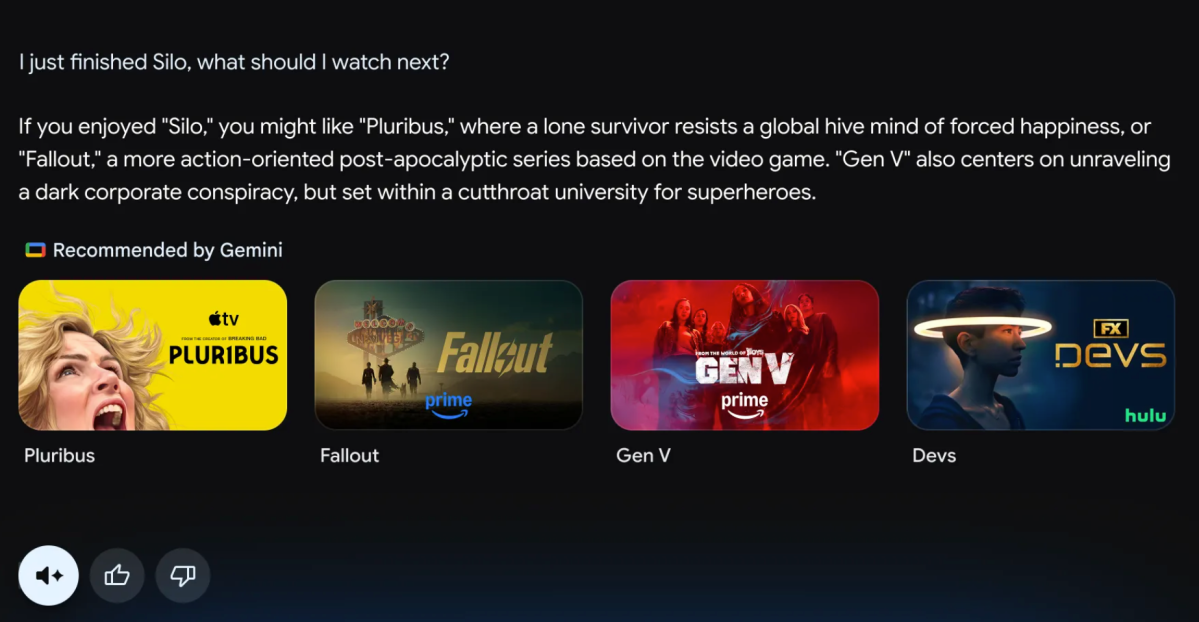
At CES 2026, manufacturers showcased a new wave of AI-driven TV features — from camera-enabled experiences to cloud services — as they try to revive stagnant sales. Many of these additions risk feeling obtrusive, raising questions about whether software add-ons can actually move consumers away from phones.
What happened
Janko Roettgers reported from CES 2026 that TV makers are increasingly leaning on AI and software features to differentiate sets as hardware improvements plateau. On the show floor, companies highlighted uses for cameras, AI-powered workout and other experiences, cloud gaming, smart-home integration, and art-display modes. The piece notes a history of experiments — including manufacturers positioning TVs as telehealth platforms for pets two years ago — and frames these efforts as part of a broader push to get consumers to look up from small screens. The industry context is weak demand: global TV shipments fell about 0.6 percent year over year in Q3, and overall sales have stagnated after supply-chain shocks, tariff uncertainty, and economic worries. Rather than focusing solely on picture technology, vendors are betting that apps, platforms, and new AI gimmicks will revive interest in big-screen purchases.
Why it matters
- Flat or declining TV sales are pushing manufacturers to emphasize software and AI over traditional hardware upgrades.
- Integration of cameras and AI features could change how consumers use living-room displays, for better or worse.
- Heavier reliance on cloud services and platform features alters the competitive landscape for TV makers and app developers.
- If consumers find these AI additions intrusive, the strategy risks alienating buyers rather than attracting them.
Key facts
- Reporting from CES 2026 highlights an increase in AI-driven features on new TVs.
- Recent TV additions include cameras for video chats, AI workout features, cloud gaming, smart-home hub functions, and art-display modes.
- Two years ago, Samsung promoted a TV telehealth use case aimed at pets, cited as an example of previous experiments.
- Global TV shipments declined roughly 0.6 percent year over year in Q3, according to figures cited in the reporting.
- Causes for stagnant sales mentioned include COVID-era supply disruptions, tariff uncertainty, and consumer caution amid economic concerns.
- Manufacturers are focusing less on picture innovations and more on apps, platforms, and user-facing AI bells and whistles.
- The author conducted on-floor reporting and interviews with industry executives to assess trends beyond display technology.
What to watch next
- Whether AI-driven apps and camera features actually translate into increased TV purchases — not confirmed in the source.
- How consumers react to more intrusive AI features in living-room devices, including privacy and usability feedback — not confirmed in the source.
- Potential shifts in platform strategies or partnerships among TV makers and streaming/app providers as AI features proliferate — not confirmed in the source.
Quick glossary
- CES: An annual technology trade show in Las Vegas where consumer electronics companies showcase new products and concepts.
- Smart TV: A television set that connects to the internet and runs apps, enabling streaming, browsing, and other online services.
- AI (Artificial Intelligence): Software techniques that enable machines to perform tasks that typically require human intelligence, such as image recognition or natural language processing.
- Cloud gaming: A service model that streams video games from remote servers to a user’s device, reducing the need for powerful local hardware.
- Telehealth: Remote delivery of medical services and consultations using telecommunications technology.
Reader FAQ
Are TV makers adding cameras and AI features to new sets?
Yes. The reporting notes recent additions such as cameras for video chats and AI-driven experiences like workouts and smart-home integration.
Are TV sales growing because of these new features?
No. The article states TV sales have stagnated and global shipments declined about 0.6 percent year over year in Q3.
Will these AI features be widely adopted by consumers?
Not confirmed in the source.
Did any manufacturer try unusual use cases previously?
Yes. The piece references Samsung promoting a TV telehealth use case for pets two years ago as an example of earlier experiments.
COLUMN AI GADGETS TV makers are taking AI too far At CES 2026, AI is taking over the TV. It can be pretty obtrusive. by Janko Roettgers Jan 8, 2026,…
Sources
- TV makers are taking AI too far
- TV makers tout AI upgrades at CES, as smartphone threat …
- CES 2026 Preview: AI Everywhere, New Displays, and …
Related posts
- Satechi unveils Slim EX keyboards with user‑replaceable rechargeable batteries
- Microsoft ends Send to Kindle Word feature less than three years after launch
- AirPods Pro 3 near holiday lows; 13-inch M5 iPad Pro $150 off today