
TL;DR
Apple sells three main Apple Watch lines in 2026: the budget-friendly SE 3, the health-focused Series 11, and the rugged Ultra 3. Review guidance: SE 3 is the best value for most buyers, Series 11 is suited to people prioritizing advanced health monitoring, and Ultra 3 targets outdoor athletes and users who need extra durability and battery life.
What happened
Over a decade after the Apple Watch debuted, the lineup has settled into three distinct models that aim at different needs. The entry-level Apple Watch SE 3 packs features once reserved for higher-end models — an always-on LTPO OLED display, an upgraded S10 chip that enables gestures like double-tap and wrist flick, fast charging, on-device Siri, 5G cellular options, and a wrist-temperature sensor that feeds new sleep-related features. The Series 11 focuses on health: it includes the advanced sensors necessary for atrial fibrillation monitoring, a larger display and slimmer profile, slightly better battery life than the SE 3, and FDA-cleared hypertension notifications. The Ultra 3 emphasizes durability and endurance with a brighter display, extra robustness, a siren and Action Button, satellite connectivity, and the longest battery life among the three. Reviewers advise hunting for discounts on last-gen models if budget is a concern.
Why it matters
- Compatibility: If you own an iPhone, Apple Watch remains the most integrated smartwatch choice.
- Value trade-offs: New SE 3 narrows feature gaps with the flagship, making it a strong value pick for general users.
- Health differences: Series 11 adds sensors and FDA-cleared hypertension alerts that matter for medical monitoring needs.
- Durability and endurance: Ultra 3 targets outdoor and athletic users with tougher build, longer battery, and satellite features.
- Savings opportunity: Buying a previous-generation Series or Ultra can still deliver most features at lower cost.
Key facts
- Three main models in 2026: Apple Watch SE 3, Apple Watch Series 11, and Apple Watch Ultra 3.
- Recommended picks from the review: SE 3 for most people; Series 11 for health monitoring; Ultra 3 for athletes and outdoor users.
- SE 3 key features: always-on LTPO OLED display, S10 chip enabling double-tap and wrist-flick gestures, fast charging, on-device Siri, 5G option, wrist-temperature sensor; battery life listed up to 18 hours.
- Series 11 key features: advanced sensors for AFib monitoring, larger/slimmer design, FDA-cleared hypertension notifications, 5G connectivity; battery life listed up to 24 hours (38 hours in low-power mode).
- Ultra 3 emphasis: greater durability, brighter display, Action Button, siren, satellite and 5G connectivity; marketed for longer battery life and suited to outdoor activities.
- Price examples from the review: SE 3 advertised at about $219; Series 11 around $299; Ultra 3 around $780 (prices shown for specific configurations).
- Blood oxygen (SpO2) feature: U.S. sales of watches with SpO2 were affected by a patent dispute with Masimo and an import ban; Apple later restored SpO2 via a software update for U.S. models while legal action continues.
- Kids recommendation: SE 3 suggested as sufficient for children because it covers essentials without higher-end health sensors or the Ultra’s bulk.
- Advice on upgrades: If you own an Ultra 2, the review suggests the Ultra 3 is a minor upgrade and not necessarily worth replacing for most owners.
What to watch next
- Watch for discounts on last-generation models (Series 10, Ultra 2) if you want savings—reviewers recommend hunting for deals.
- The practical benefit of satellite connectivity depends on where you live; reviewers noted good coverage in tested areas but said rural users may derive more value.
- Not confirmed in the source: specific upcoming hardware or software features beyond the current lineup and watchOS updates.
Quick glossary
- LTPO OLED: A display technology that can vary its refresh rate to save power, commonly used for always-on watch screens.
- 5G: The fifth generation of mobile network technology offering faster data speeds and lower latency compared with previous cellular standards.
- SpO2 (blood oxygen): A percentage measurement of oxygen saturation in the blood; many wearables provide spot checks or overnight averages but do not replace medical-grade oximeters.
- AFib monitoring: A heart-rhythm detection capability that can identify irregular heartbeats associated with atrial fibrillation; typically requires specific sensors and algorithms.
- FDA-cleared: A designation indicating that the U.S. Food and Drug Administration has reviewed and cleared a specific medical-related feature or device for certain uses.
Reader FAQ
Which Apple Watch should I buy?
It depends on needs: SE 3 is the best value for most, Series 11 suits buyers focused on advanced health monitoring, and Ultra 3 fits outdoor athletes or users wanting maximum durability and battery life.
Does the Apple Watch still have a blood oxygen feature?
The source reports a patent dispute with Masimo led to an import ban on watches with SpO2, but Apple later restored the blood oxygen feature to U.S. models via a software update; legal challenges continue.
Do kids need the Series 11 or Ultra 3?
Not usually—the review recommends the SE 3 for children as it provides necessary connectivity and safety features without extra cost or bulk.
Should I buy cellular (5G) or GPS-only?
Not confirmed in the source: specific scenarios for choosing cellular over GPS are not detailed; the article notes some situations call for cellular while others do not.
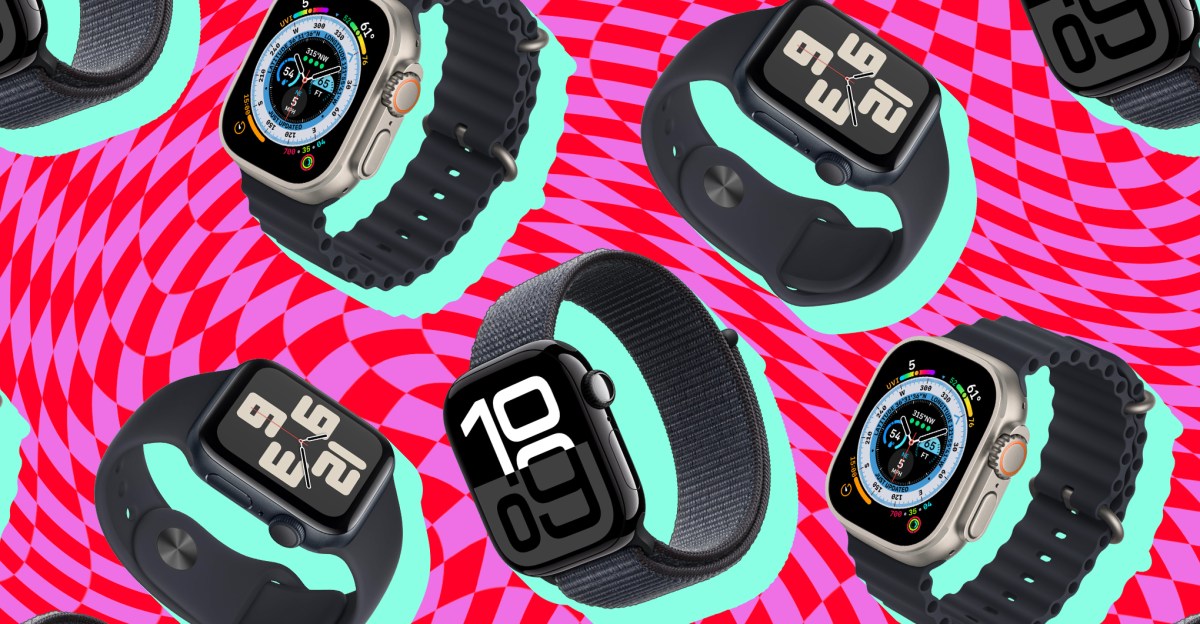
TECH GADGETS APPLE The best Apple Watch to buy You know you want an Apple Watch, but which one? by Victoria Song Photography by Amelia Holowaty Krales Updated Jan 9,…
Sources
- The best Apple Watch to buy
- Apple Watch SE 3 review roundup: who needs the Series 11?
- Apple Watch Series 11 vs Apple Watch Ultra 3
- Time to Choose: Apple Watch Series 11 vs. Ultra 3 and SE 3
Related posts
- Pioneer Sphera brings Dolby Atmos audio to mainstream aftermarket drivers
- TP-Link Tapo 2K pan/tilt camera two-pack: 2K video and features for $37
- Aphex Twin on pitch standards, sample rates, cymatics and quirky hardware