
TL;DR
A reviewer with more than seven years of testing and 80+ machines picks top robot vacuums for 2026, highlighting models that vacuum, mop, avoid obstacles and require minimal user intervention. The Matic is the top choice for quiet, reliable cleaning and local mapping; the Roborock Saros 10 is named runner-up for strong vacuuming and sonic mopping.
What happened
In an updated guide to robot vacuums for 2026, Jennifer Pattison Tuohy evaluated dozens of floor-cleaning robots and selected top picks across categories such as all-around performance, budget options, hybrid vacuum/mops, and models for pet owners and small homes. The Matic emerged as the lead recommendation for its camera-based mapping, strong obstacle avoidance, effective roller mopping and quiet operation; it stores maps locally and can run without Wi‑Fi, but is tall and carries its own dust/water tanks rather than using a multifunction dock. The Roborock Saros 10 is the runner-up, praised for vacuuming strength, sonic-style mopping and an improved dock. The review emphasizes practical criteria — brush design, mopping mechanism, battery life, app quality, AI obstacle detection and navigation systems such as SLAM — and notes trends like self-cleaning roller mops and increasingly capable on-board AI.
Why it matters
- Robot vacuums now combine vacuuming and mopping functions, reducing hands-on chores for homeowners.
- Improved AI-based obstacle detection and mapping lowers the chance a unit will get stuck and increases reliability.
- Multifunction docks and auto-empty systems cut down how often owners must manually empty bins or clean mops.
- Battery life and robust navigation determine whether a robot can finish a full-house clean without intervention.
Key facts
- Reviewer Jennifer Pattison Tuohy has over seven years of testing experience and has run more than 80 robot vacuums in her home.
- The Matic is the top pick; it uses camera-based SLAM, stores maps locally, runs without Wi‑Fi and carries a 1L dust/dirty-water bag plus a 600ml water tank.
- Matic is quiet (about 55 dB), rarely gets stuck, but is tall and cannot clean under low furniture; it does not use a multifunctional dock.
- Roborock Saros 10 is the runner-up, noted for excellent vacuuming, sonic mopping, good navigation and an improved dock; it has a retractable lidar tower.
- Good brush design (large rubber roller brushes) and multiple brushes usually outperform small bristle brushes for debris and hair pickup.
- Oscillating, spinning or vibrating mops and the newer self-cleaning roller mops are more effective on dried or sticky stains than drag-style mops.
- Higher-end models increasingly include AI-powered obstacle detection that relies on cameras and on-board processors.
- Mapping technology variants include SLAM approaches such as lidar-based or vSLAM (camera-based) navigation.
- A practical robot should have at least 120 minutes of runtime (180 minutes ideal) and support recharge-and-resume.
- Auto-empty bases relieve frequent bin-emptying but typically require replacement bags about once per month, depending on use.
What to watch next
- Wider adoption of self-cleaning roller mops across more models and brands, improving wet-stain removal capabilities.
- AI-powered obstacle detection becoming a standard feature on higher-end robots to reduce entrapment and damage.
- More multifunctional docks that combine auto-emptying with mop washing and improved, less obtrusive base designs.
Quick glossary
- SLAM: Simultaneous localization and mapping—a method robots use to map an environment while tracking their own position.
- Lidar: A navigation sensor that uses laser pulses to measure distances and build detailed spatial maps.
- Auto-empty dock: A charging base that automatically extracts debris from a robot's bin into a larger container, reducing manual emptying frequency.
- Self-cleaning roller mop: A mop mechanism that scrubs surfaces and actively washes or dries its mop pad inside the dock or onboard system.
- Recharge-and-resume: A feature that lets a robot return to its dock to recharge and then continue an interrupted cleaning cycle.
Reader FAQ
How did the reviewer test robot vacuums?
The reviewer has run over 80 machines at home and evaluates cleaning power, mopping, navigation, convenience and app quality.
Are mopping functions on robot vacuums effective?
Some robots can handle dried stains and wet spills; oscillating/spinning/vibrating mops and self-cleaning roller mops perform best.
Do robot vacuums need Wi‑Fi to operate?
Not always—Matic can operate fully without a Wi‑Fi connection, but support for offline operation varies by model.
Is AI obstacle detection worth paying for?
AI-based detection generally reduces the chance of getting stuck and improves reliability, though performance differs across models.
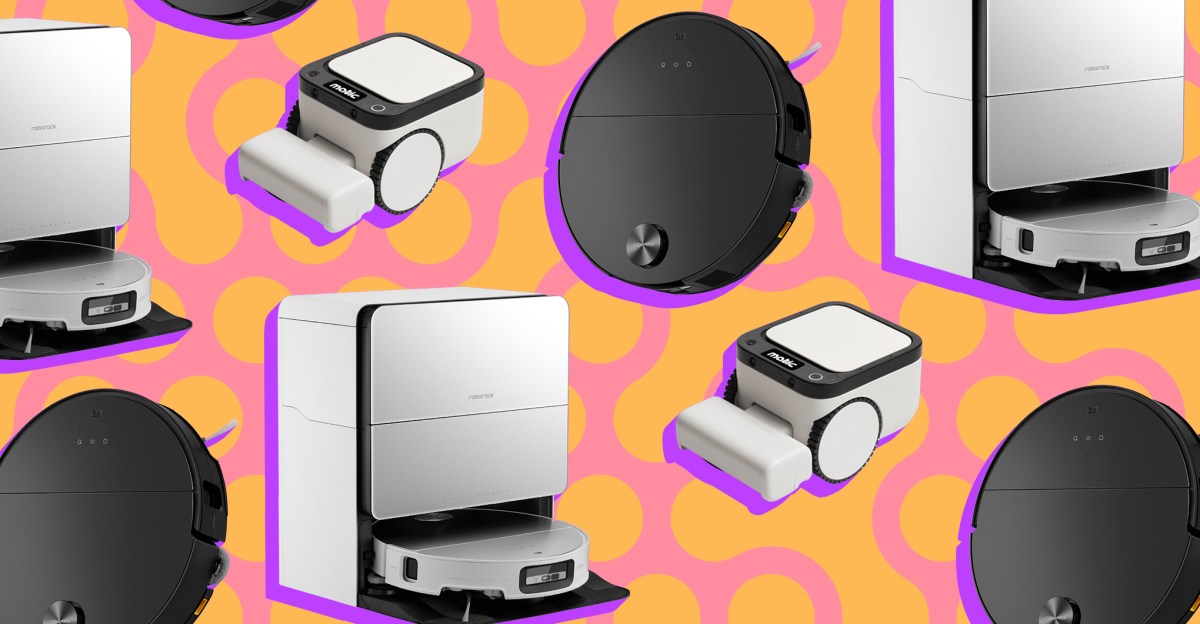
TECH GADGETS REVIEWS The best robot vacuums we’ve tested for 2026 We picked the best bots you can buy right now. by Jennifer Pattison Tuohy Updated Jan 13, 2026, 12:04…
Sources
- The best robot vacuums we’ve tested for 2026
- The Best Robot Vacuums We've Tested (January 2026)
- Best Robot Vacuums We've Tested (January 2026)
- The Best Robot Vacuums of 2026 | Reviews by Wirecutter
Related posts
- Corsair Void Wireless V2 headset falls to $80 — Dolby Atmos, long battery life
- Best Travel Cameras of 2026: Tested Picks from Pocket to Full-Frame
- Best Pet Cameras of 2026: Tested Picks for Watching Your Pets