
TL;DR
Billy Woods’ new record Golliwog is described as his darkest work, trading slasher tropes for sustained psychological unease. The album leans on dense, often unsettling production and lyrics that link personal and systemic violence.
What happened
Veteran underground rapper Billy Woods released Golliwog, an album that reviewers characterize as his bleakest to date. Rather than leaning on the shock-and-gory motifs common to some horrorcore, Woods and his collaborators shape an experience more aligned with slow-burn, art-house horror: sound design, dissonant textures and vocal layering create sustained tension. Tracks cited by critics include ‘Jumpscare,’ which opens with a film-reel flourish and a music-box motif before dissolving into layered voices and abrasive noise, and other songs such as ‘Waterproof Mascara,’ ‘Pitchforks & Halos,’ ‘All These Worlds Are Yours,’ and ‘Golgotha.’ Producers named in coverage include Kenny Segal and DJ Haram, whose contributions range from POV-like beats to industrial-tinged soundscapes. Throughout the record, Woods pairs unsettling sonic choices with imagery and lines that connect intimate cruelty to broader histories of oppression and colonialism.
Why it matters
- It reframes horrorcore through an art-house lens, prioritizing psychological tension over gore or shock value.
- Fans of Billy Woods and Armand Hammer get a record positioned as a new peak in his catalog, according to critics.
- The album uses production as a narrative device, showing how beatmaking and sound design can drive thematic storytelling in hip-hop.
- By interweaving personal and systemic violence, the record continues Woods’ long-running engagement with sociopolitical topics.
Key facts
- Golliwog is described in coverage as Billy Woods’ darkest record to date.
- The piece highlights opening track ‘Jumpscare,’ which begins with film-reel and music-box elements before moving into cacophonous, unsettling textures.
- Other tracks mentioned by critics include ‘Waterproof Mascara,’ ‘Pitchforks & Halos,’ ‘All These Worlds Are Yours,’ and ‘Golgotha.’
- Producers specifically named in the coverage are Kenny Segal and DJ Haram, each noted for distinctive contributions to individual tracks.
- DJ Haram’s production on one track is compared to early industrial sounds, while another track blends boombap drums with New Orleans-style funeral horns.
- The album is compared stylistically to A24-style psychological horror rather than mainstream horror-studio shock tactics.
- The writing pairs scenes of intimate cruelty with broader references to oppression and colonialism.
- The article was published Jan. 11, 2026, and written by Terrence O’Brien for The Verge.
- Image credit in the story is attributed to Backwoodz Studioz.
What to watch next
- Critical reception beyond the cited review: not confirmed in the source
- Commercial performance and chart placement: not confirmed in the source
- Whether Woods will tour or promote the album with live dates: not confirmed in the source
Quick glossary
- Horrorcore: A hip-hop subgenre that uses horror-themed imagery, narratives, and production to create unsettling or macabre songs.
- A24: An independent film company known for producing and distributing stylistically idiosyncratic, often psychological or art-house films.
- Blumhouse: A film production company recognized for commercial horror films that frequently employ jump scares and mainstream genre conventions.
- Industrial (music): A genre that emphasizes abrasive textures, mechanical rhythms, and experimental sound design, often associated with early acts like Throbbing Gristle.
- Boombap: A hip-hop production style built around hard-hitting kick and snare patterns, often tied to 1990s East Coast rap.
Reader FAQ
Is Golliwog Billy Woods’ darkest album?
The article characterizes Golliwog as his darkest record to date.
Which tracks and producers are highlighted in coverage?
Tracks cited include ‘Jumpscare,’ ‘Waterproof Mascara,’ ‘Pitchforks & Halos,’ ‘All These Worlds Are Yours,’ and ‘Golgotha.’ Producers named are Kenny Segal and DJ Haram; a full producer list is not provided in the source.
How does this record differ from traditional horrorcore?
The review notes that instead of slasher-style shock tactics, the album favors sustained psychological tension and unsettling production, likened to art-house horror.
When was the album released and where can I stream it?
Not confirmed in the source.
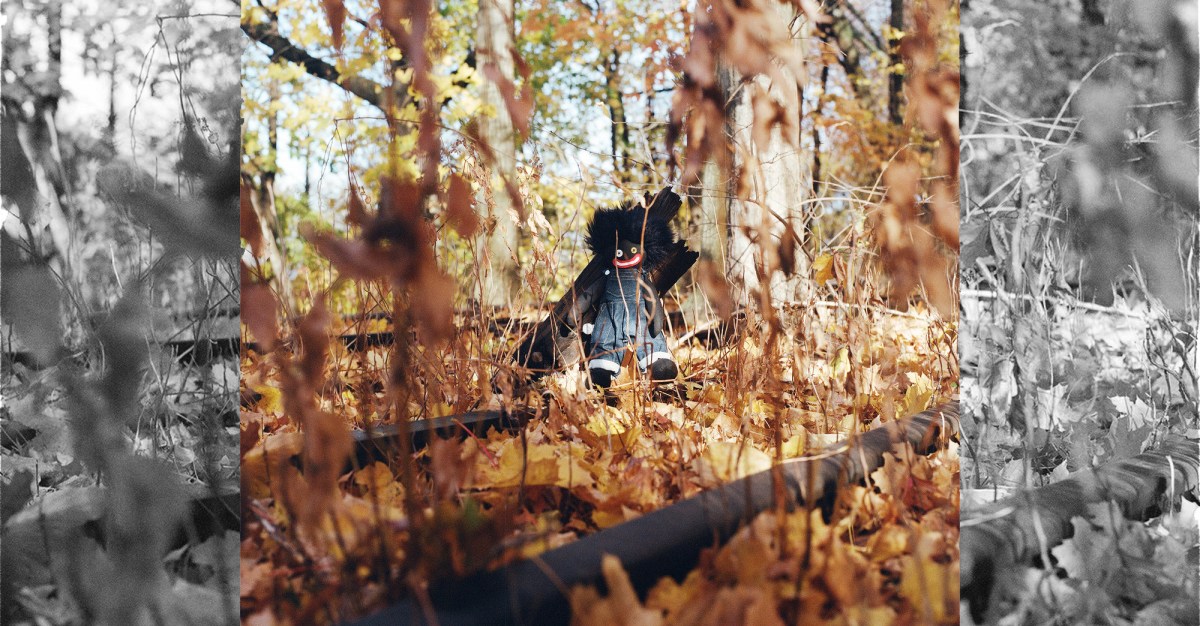
COLUMN ENTERTAINMENT MUSIC You need to listen to Billy Woods’ horrorcore masterpiece for the A24 crowd The latest from one half of Armand Hammer is his darkest record to date….
Sources
- You need to listen to Billy Woods’ horrorcore masterpiece for the A24 crowd
- GOLLIWOG | billy woods – gowillog – Bandcamp
- Golliwog (album)
- billy woods – GOLLIWOG
Related posts
- 20+ Gadgets That Could Help You Stick to Your New Year’s Resolutions
- One year after Google shut its VPN, I switched to Proton VPN — here’s why
- Review: I tried the Xteink X4, a tiny magnetic e-reader that attaches to phones