
TL;DR
Stanford researchers report that inhibiting the age-associated protein 15-PGDH regenerated knee cartilage in older mice and prevented post-injury osteoarthritis. Human knee tissue samples treated ex vivo also began making new articular cartilage, and a pill form of the same inhibitor is already in clinical testing for age-related muscle weakness.
What happened
Scientists at Stanford Medicine identified a strategy to rebuild joint cartilage by targeting 15-PGDH, a protein that rises with age. In aged mice, systemic and direct joint injections of a small-molecule inhibitor of 15-PGDH thickened articular (hyaline) cartilage across the knee and shifted chondrocyte gene activity toward a more youthful profile. The approach also reduced the development of osteoarthritis after knee injuries modeled on ACL tears: mice receiving twice-weekly injections for four weeks after injury showed far less cartilage degeneration and improved weight-bearing on the affected limb compared with controls. The team examined human knee tissue removed during joint replacement and found that one-week exposure to the inhibitor lowered markers of cartilage breakdown and began to regenerate articular cartilage. The mechanism appears to reprogram existing chondrocytes rather than rely on stem or progenitor cells. Separate clinical testing of an oral 15-PGDH inhibitor for muscle weakness has already reached human trials and shown safety and activity in Phase 1.
Why it matters
- Targets a biological driver of osteoarthritis rather than only managing pain or symptoms.
- May offer a non-surgical option to restore articular cartilage lost to aging or injury.
- Reprograms resident cartilage cells without stem cell transplantation, simplifying treatment strategy.
- Could reduce the long-term burden of osteoarthritis, a condition affecting about one in five U.S. adults and costing roughly $65 billion annually in direct care.
Key facts
- The therapy inhibits 15-PGDH, a protein that increases approximately two-fold in mouse knee cartilage with age.
- 15-PGDH degrades prostaglandin E2; raising prostaglandin E2 levels by blocking 15-PGDH has supported regeneration in multiple tissues in prior studies.
- In aged mice, both systemic (abdominal) and intra-articular injections of the inhibitor thickened knee articular cartilage and restored hyaline cartilage properties.
- After injury resembling ACL tears, mice given injections twice weekly for four weeks were far less likely to develop osteoarthritis within the study period and bore more weight on the injured leg.
- Single-cell analysis showed shifts in chondrocyte subpopulations: one 15-PGDH–expressing degradative group fell from 8% to 3%, a fibrocartilage-producing group decreased from 16% to 8%, and a hyaline-forming group rose from 22% to 42% after treatment.
- Human knee tissue samples taken during joint replacement and treated ex vivo for one week showed reduced 15-PGDH–expressing chondrocytes, lowered cartilage-degradation gene expression, and the beginning of articular cartilage formation.
- Researchers report the mechanism does not require activation of tissue stem cells; existing chondrocytes change gene expression to a younger state.
- A pill-based 15-PGDH inhibitor is being tested in clinical trials for age-related muscle weakness; Phase 1 results reportedly showed safety and activity in healthy volunteers.
What to watch next
- Progression of clinical trials testing 15-PGDH inhibitors specifically for osteoarthritis or joint regeneration — not confirmed in the source.
- Longer-term safety and durability of cartilage regenerated by 15-PGDH inhibition in humans — not confirmed in the source.
- Whether oral formulations that are in trials for muscle weakness will be evaluated for localized joint disease — not confirmed in the source.
Quick glossary
- 15-PGDH: An enzyme that breaks down prostaglandin E2; levels rise with age and have been linked to declining tissue repair in several organs.
- Gerozyme: A term used for enzymes or proteins that contribute to age-related decline in tissue function.
- Chondrocyte: A cell type within cartilage responsible for producing and maintaining the extracellular matrix that gives cartilage its structure and function.
- Hyaline (articular) cartilage: Smooth, glossy cartilage that covers joint surfaces and provides low-friction movement and load-bearing properties.
- Prostaglandin E2 (PGE2): A bioactive lipid involved in inflammation and tissue repair; its levels are regulated in part by 15-PGDH.
Reader FAQ
Does this treatment work in humans?
Human knee tissue removed at surgery showed early signs of articular cartilage regeneration when treated ex vivo, but clinical effectiveness in living patients is not confirmed in the source.
Is this a stem cell therapy?
No. The research indicates existing chondrocytes change their gene expression toward a younger state; stem or progenitor cells were not required.
Are there human trials of this drug for joints?
A pill form of a 15-PGDH inhibitor is in clinical testing for age-related muscle weakness and has reported Phase 1 safety and activity; trials specifically for osteoarthritis are not confirmed in the source.
Could this eliminate the need for joint replacement surgery?
The findings suggest potential to restore cartilage and possibly reduce the need for replacements, but whether it will replace surgery in patients is not confirmed in the source.
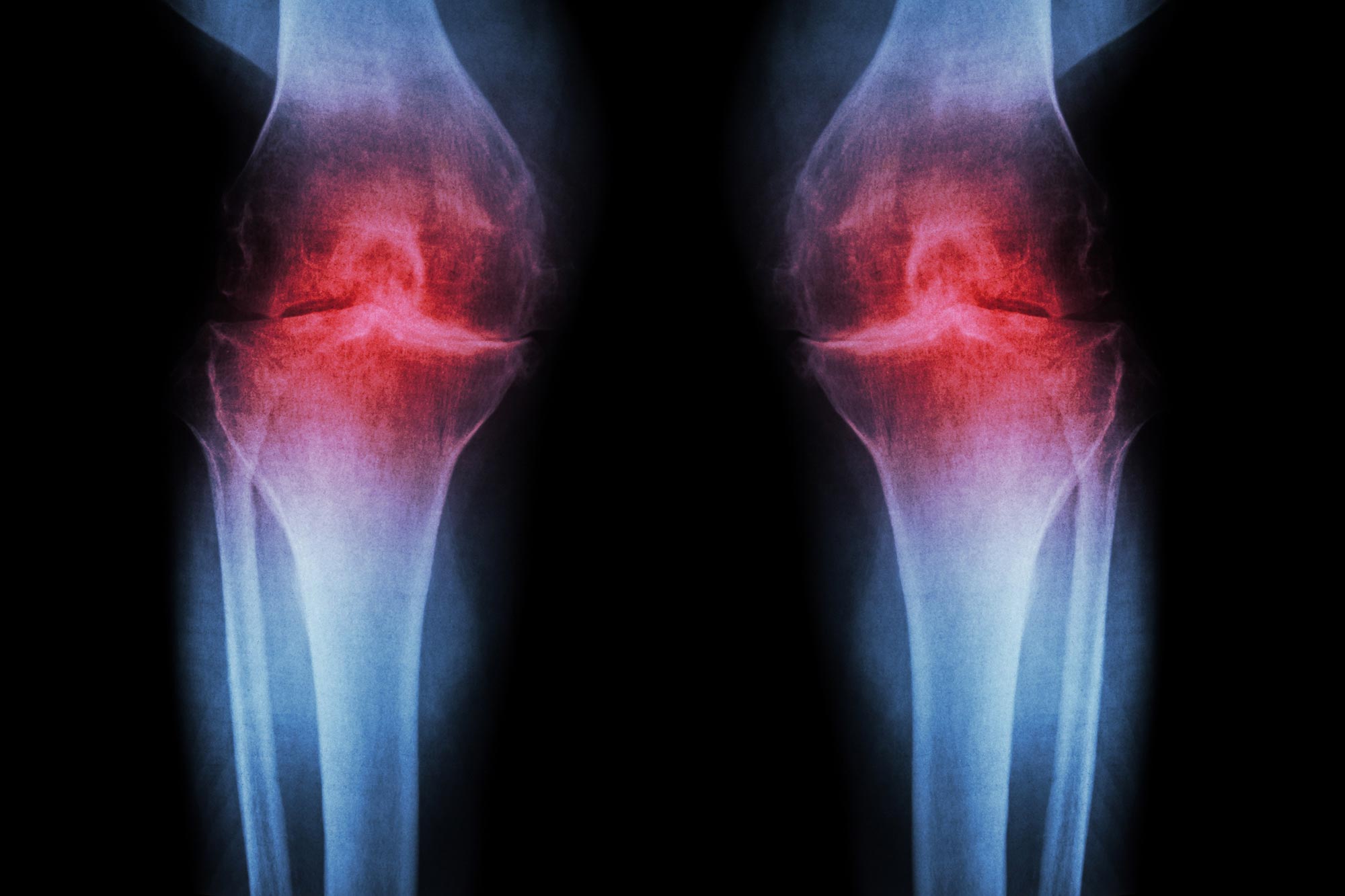
SHARE Scientists have identified a way to regenerate cartilage by targeting a protein that increases with age, reversing joint damage in older animals and preventing arthritis after injury. Credit: Stock…
Sources
- Anti-aging injection regrows knee cartilage and prevents arthritis
- Inhibiting a master regulator of aging regenerates joint …
- Stanford Study Shows Protein Blockade Reverses Cartilage …
- Knee cartilage degeneration halted by new treatment target
Related posts
- How Neurodivergent Brains Build Better Systems — Lessons for Engineering
- 21 Lessons From 14 Years at Google: What I Learned About Engineering
- The Unbearable Joy of Sitting Alone in a Café and Watching Time Slow