
TL;DR
The NTSB update says investigators found fatigue cracks in the engine mounting bearing and structure of the MD‑11F that crashed in Louisville, and Boeing had identified similar failures previously. In 2011 Boeing issued a non‑mandatory service letter recommending five‑year visual checks and an optional revised bearing assembly; the NTSB investigation is ongoing.
What happened
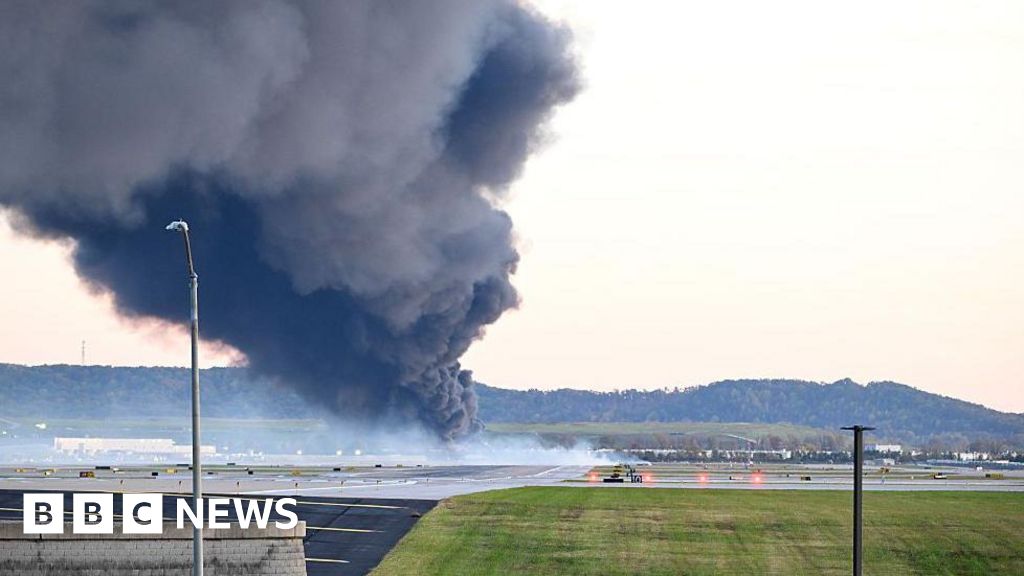
A UPS‑operated MD‑11F freighter lost an engine during takeoff preparations in Louisville, briefly became airborne and then crashed into an industrial area in November, killing 15 people (three crew and 12 on the ground). The NTSB's update reports fractures showing signs of fatigue in a critical bearing and the surrounding engine mount assembly. Investigators noted that Boeing had documented comparable failures on other aircraft and, in 2011, sent operators a service letter describing the issue. That letter advised adding the component to a general visual inspection every five years, referenced changes to maintenance procedures and noted a revised bearing assembly that could be installed, but did not mandate a retrofit. Boeing had judged at the time that the problem "would not result in a safety of flight condition." The MD‑11 design predates Boeing’s 1997 acquisition of McDonnell Douglas; the last MD‑11 left production in 2001. The NTSB has not issued final conclusions on the crash.
Why it matters
- Findings link the crash to a structural part whose risks Boeing had previously identified, raising questions about how safety risks were evaluated and communicated.
- The MD‑11 is an older design no longer in production, which focuses attention on maintenance practices and support for aging fleets.
- The 2011 guidance from Boeing was non‑binding; voluntary inspection schedules and optional part replacements may leave operators with differing levels of risk mitigation.
- The update comes amid broader scrutiny of Boeing’s engineering and quality processes following past incidents and regulatory reviews.
Key facts
- Aircraft: MD‑11F freighter operated by UPS.
- Accident: Engine separated during takeoff preparations in Louisville, Kentucky, and the aircraft crashed into an industrial area in November.
- Fatalities: 15 people killed—three crew members and 12 people on the ground.
- NTSB finding: Cracks consistent with fatigue were identified in a bearing and the engine mounting structure.
- Prior knowledge: Boeing recorded similar part failures on four occasions affecting three aircraft and issued a service letter in 2011.
- 2011 service letter: Recommended general visual inspection of the part every five years, noted inspection‑procedure changes in the maintenance manual, and referenced an available revised bearing assembly that was not mandatory.
- Aircraft history: MD‑11 was originally produced by McDonnell Douglas; Boeing bought that company in 1997 and last produced the MD‑11 in 2001.
- Boeing statement: The company said it supports the NTSB investigation and expressed condolences.
- Investigation status: The NTSB has not reached final conclusions and is expected to publish a final report later.
What to watch next
- Final NTSB report and its conclusions about the sequence of failures and probable cause (investigation continuing).
- Whether the FAA or other regulators issue mandatory airworthiness directives requiring inspections or part replacements (not confirmed in the source).
- If Boeing or operators move to require installation of the revised bearing assembly or change inspection intervals beyond the 2011 guidance (not confirmed in the source).
Quick glossary
- NTSB: The U.S. National Transportation Safety Board, an independent federal agency that investigates transportation accidents and issues safety recommendations.
- MD‑11: A wide‑body aircraft originally designed and built by McDonnell Douglas and later supported by Boeing; production ended in 2001.
- Service letter: A manufacturer communication to operators that highlights important maintenance or safety information; typically not legally binding.
- Fatigue (material fatigue): Progressive structural damage that occurs when a material is subjected to repeated stress cycles, potentially causing cracks and fractures over time.
- Engine mounting assembly: Structural components and fittings that attach an aircraft engine to the wing or fuselage and transfer loads such as thrust and drag.
Reader FAQ
Did Boeing know about the flawed part before the crash?
Yes. The NTSB update says Boeing had identified similar failures previously and issued a service letter in 2011 describing the issue.
Was the company telling operators the issue was dangerous?
Boeing told operators the condition "would not result in a safety of flight condition" and recommended periodic visual inspections; it did not mandate replacements at that time.
Has the NTSB determined the official cause of the crash?
Not yet. The NTSB's investigation is ongoing and a final report is pending.
Are inspections or part changes now mandatory?
Not confirmed in the source.
Boeing knew of flaw in part linked to UPS plane crash, US safety board report says 16 hours ago Share Save Theo Leggett International Business Correspondent Getty Images An aircraft…
Sources
Related posts
- Researchers Show All 23-Bit Game of Life Still Lifes Are Glider-Constructible
- Cloudflare threatens to pull services from Italy after €14M fine
- Reverse-engineering YouTube’s ‘Most Replayed’ graph implementation