
TL;DR
CES 2026 in Las Vegas leaned heavily on AI messaging while companies showed a mix of chips, robots and concept hardware. Major announcements included Nvidia’s Rubin architecture and Alpamayo models, AMD’s Ryzen AI 400 Series focus for PCs, and partnerships around robotics from Boston Dynamics and Google.
What happened
CES 2026 opened its show floor after a series of high-profile keynotes and previews. Nvidia used its presentation to unveil the Rubin computing architecture, slated to begin replacing Blackwell in the second half of the year, and highlighted the Alpamayo family of open-source AI models and tools intended for use in autonomous vehicles. AMD’s CEO Lisa Su led the event’s first keynote, promoting the company’s push to expand AI into personal computers via the Ryzen AI 400 Series and presenting a slate of partner appearances. Hyundai’s session highlighted robotics work with Boston Dynamics and revealed a new iteration of the Atlas robot, which companies say will be trained and operated in cooperation with Google’s AI research lab. Amazon updated Alexa with an Alexa+ push, introduced Alexa.com for Early Access users, and showed Fire TV and Artline TV updates; Ring announced features including fire alerts and a third-party camera app store. Razer returned with two AI concepts: Project Motoko and Project AVA. Lego made its CES debut with Smart Bricks that interact and play sounds, with initial sets themed around Star Wars.
Why it matters
- Nvidia’s Rubin signals a planned infrastructure refresh to handle rising AI compute and storage demands.
- Open-source vehicle models like Alpamayo could accelerate integration of AI into real-world autonomous systems.
- AMD’s Ryzen AI 400 Series indicates growing vendor focus on embedding AI capabilities into mainstream PCs.
- Partnerships between robotics firms and major AI labs suggest practical collaboration between hardware makers and model developers.
- Major consumer platforms (Alexa, Ring, Fire TV) continuing AI upgrades point to broader everyday AI feature rollouts.
Key facts
- CES 2026 took place in Las Vegas, with the show floor open after multiple press events and previews.
- Nvidia CEO Jensen Huang presented the Rubin computing architecture, which is expected to start replacing Blackwell in the second half of the year.
- Nvidia showcased the Alpamayo family of open-source AI models and tools targeted for autonomous vehicles.
- AMD Chair and CEO Lisa Su delivered the first keynote and promoted the Ryzen AI 400 Series as part of an AI-PC push.
- AMD’s keynote included appearances by partners such as OpenAI President Greg Brockman, Fei-Fei Lei, and Luma AI CEO Amit Jain.
- Hyundai highlighted robotics partnerships with Boston Dynamics and said it is working with Google’s AI research lab on training and operating Atlas robots; a new Atlas iteration was shown on stage.
- Amazon introduced Alexa.com for Early Access users, a revamped bot-focused app, Fire TV updates and Artline TVs tied to Alexa+, and Ring announced fire alerts and an app store for third-party camera integrations.
- Razer presented Project Motoko (a glasses-free smart-glasses concept) and Project AVA (a desktop AI avatar concept).
- Lego appeared at CES for the first time with a behind-closed-doors demonstration of Smart Bricks that interact and play sounds; debut sets were Star Wars themed.
What to watch next
- Nvidia’s Rubin rollout timetable and which products will migrate from Blackwell beyond the stated second-half start.
- Real-world deployment and performance of Alpamayo models in autonomous vehicles during the coming year.
- Commercial availability and pricing for Razer’s Project Motoko and Project AVA — not confirmed in the source.
- Retail release schedule and pricing for Lego’s Smart Bricks and the Star Wars-themed sets — not confirmed in the source.
Quick glossary
- AI model: A mathematical system trained on data to make predictions or generate content, used in applications like vision, language, and control.
- Computing architecture: The design and organization of hardware and system components that determine how computation and storage are handled.
- Open-source: Software or models released with licenses that allow users to inspect, modify, and redistribute the source code or weights.
- Autonomous vehicle: A vehicle capable of perceiving its environment and navigating without direct human control, typically using sensors and AI.
- Avatar (AI): A visual or virtual representation of an AI assistant or agent used to interact with users in applications or on a desktop.
Reader FAQ
What did Nvidia announce at CES 2026?
Nvidia introduced the Rubin computing architecture, due to start replacing Blackwell in the second half of the year, and showcased the Alpamayo open-source models intended for autonomous vehicles.
What was the focus of AMD’s keynote?
AMD emphasized bringing AI into personal computers via its Ryzen AI 400 Series and featured several industry partners during the keynote.
Are Razer’s Project Motoko and AVA shipping now?
Not confirmed in the source.
Is Google involved with Atlas robots?
Yes — Boston Dynamics, Hyundai and Google’s AI research lab are collaborating to train and operate Atlas robots, and a new Atlas iteration was shown on stage.
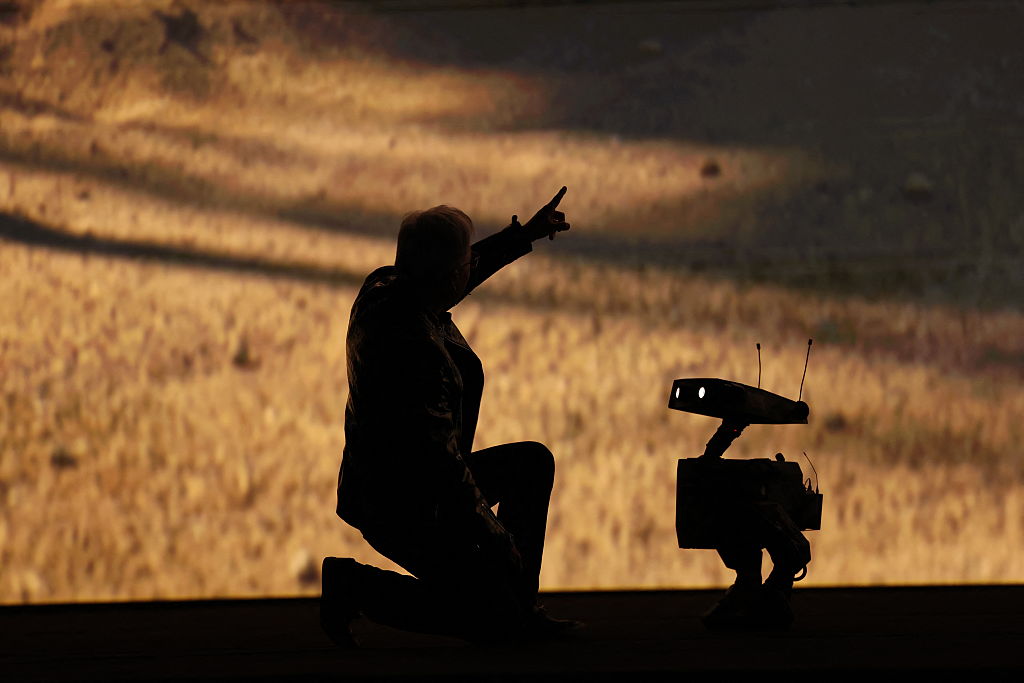
CES 2026 is in full swing in Las Vegas, with the show floor open to the public after a packed couple of days occupied by press conferences from the likes of Nvidia, Sony,…
Sources
Related posts
- High-Performance GPU Cuckoo Filter Library Accelerated with CUDA
- Google Voice to receive Gemini Notes for recorded calls and transcripts
- Viral Reddit ‘whistleblower’ post alleging delivery-app fraud was AI-generated