
TL;DR
Since 2022 Chinese firms have pledged roughly $200 billion to build factories, mines and refineries for clean-energy technologies worldwide. While the investments expand manufacturing capacity, projects in places such as Debrecen, Hungary, have triggered local protests, legal challenges and documented pollution and water-use concerns.
What happened
Chinese companies have launched a large program of overseas investment in clean-energy manufacturing — batteries, EV components, solar and related supply chains — with roughly $200 billion in pledges since 2022, according to the Net Zero Industrial Policy Lab. Hungary has become a major locus: at least 18 battery-related projects and about $17 billion in announced investment cluster around Debrecen. The Chinese battery maker CATL is completing a large plant on a 546-acre site there, surrounded by other battery-part factories, and residents and activists have raised alarms about hazardous chemicals, air emissions and heavy water use. Local groups have pursued legal challenges and placed independent air monitors; authorities fined one Chinese-owned firm, SEMCORP, over excess emissions. Reports in multiple countries cite threats to waterways, endangered species and worker and community rights. Chinese officials reject claims that overseas projects violate human rights.
Why it matters
- The buildout could accelerate global emissions reductions by scaling clean-technology supply chains, but it also risks shifting pollution and social harms to host communities.
- Large water withdrawals and hazardous-chemical use at battery plants can strain local water supplies and public-health protections, especially in drought-prone areas.
- Weak or fast-tracked permitting and political pressure can limit scrutiny, dispute resolution and enforcement of environmental and labor safeguards.
- Pushback and legal challenges by local communities indicate growing public concern and could affect project timelines and costs.
Key facts
- Chinese firms have pledged about $200 billion in overseas clean-energy manufacturing investments since 2022 (Net Zero Industrial Policy Lab).
- Hungary has attracted more Chinese battery-related investment than all but Indonesia and Morocco, with at least 18 projects and roughly $17 billion pledged.
- CATL’s site near Debrecen occupies a 546-acre lot and is part of a wider industrial park of battery and component manufacturers.
- CATL’s most recent permit indicates average water use around 523,000 gallons per day, with summer peaks that could reach roughly three times that level; about two-thirds would be drinking water.
- Local activists reported wastewater spills and have deployed independent air monitors to track pollution baselines.
- A county order sanctioned SEMCORP for exceeding permitted emissions of nitrogen oxides, total volatile organic compounds and dichloromethane; the fine was 1.5 million forints (about $4,500).
- Chinese-built mines, dams and factories in multiple countries have been linked in reporting to threats to endangered species, water pollution and alleged labor-law violations.
- Chinese embassy spokespeople characterized the Belt and Road Initiative as aiming to promote green economic growth and development.
- Activists and journalists investigating some projects have faced surveillance, intimidation and smear campaigns in at least some locations.
What to watch next
- Outcome of the pending lawsuit challenging CATL’s initial permit in Hungary and any further permit revisions or court rulings.
- Whether CATL and nearby plants begin full production on schedule and how monitored emission and water-use levels compare with permit limits (not confirmed in the source).
- Regulatory responses: changes to permitting, enforcement actions, or new oversight mechanisms in host countries in reaction to local protests and recorded incidents (not confirmed in the source).
Quick glossary
- Electric vehicle (EV) battery: A rechargeable battery pack that stores electrical energy to power an electric vehicle; production involves chemical processes and multiple component suppliers.
- Volatile organic compounds (VOCs): A class of organic chemicals that can evaporate into the air and contribute to smog formation and health concerns at sufficient concentrations.
- Permit: An official authorization from a government or regulatory body that allows an industrial facility to operate under specific environmental, water-use or emissions limits.
- Belt and Road Initiative (BRI): China’s large-scale program to finance and build infrastructure and industrial projects overseas; often cited as the framework for many Chinese foreign investments.
Reader FAQ
How much has China committed to overseas clean-energy manufacturing?
About $200 billion in pledged investments since 2022, according to the Net Zero Industrial Policy Lab.
Are these projects linked to pollution or community harm?
Reporting documents local pollution events, high water use, hazardous-chemical risks, fines for emissions exceedances and community opposition in several locations.
Has the Hungarian government supported these investments?
Yes; Hungary has actively courted battery investment and drawn substantial Chinese pledges, and critics say permitting has been fast-tracked under the current government.
Have activists faced pushback for opposing the projects?
Yes. Activists in Hungary have reported smear campaigns, and the source says some journalists and activists elsewhere have faced surveillance or intimidation.
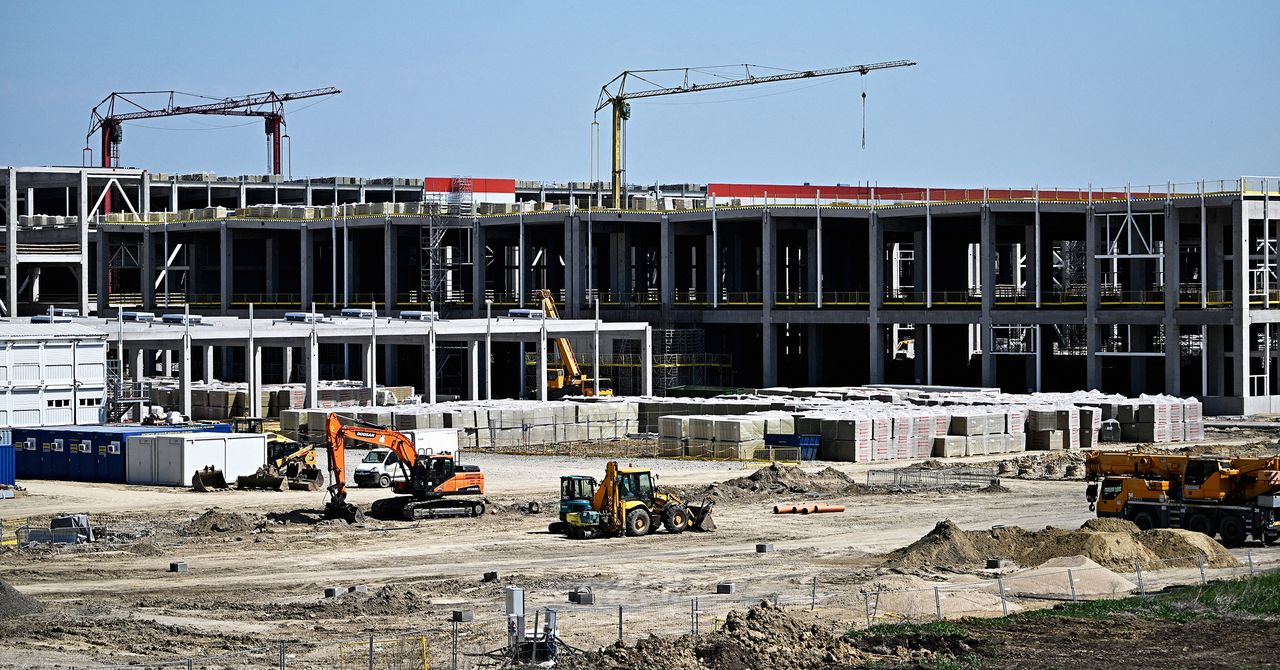
NICHOLAS KUSNETZ SCIENCE DEC 27, 2025 7:00 AM The Environmental and Human Rights Costs of China’s Clean Energy Investments Abroad Chinese companies have pledged hundreds of billions of dollars in…
Sources
- The Environmental and Human Rights Costs of China’s Clean Energy Investments Abroad
- China funnelled $80 billion into overseas cleantech in past …
- China's Strides In 'Green Energy' Play A Vital Role …
- China Drives $80 Billion in Overseas Clean Technology …
Related posts
- Carnegie Mellon team builds camera that focuses on multiple depths
- Inside the Proton: How experiments reveal a shape-shifting quantum object
- Cursed Bundler — Using Go’s module tooling to fetch Ruby gems