
TL;DR
A blogger in Southeast Asia reports frequent Cloudflare security challenges and regional CDN failures that degrade user experience. The author says reCAPTCHA prompts, routing to distant nodes and a May 13 maintenance window caused outages and slowdowns for local users.
What happened
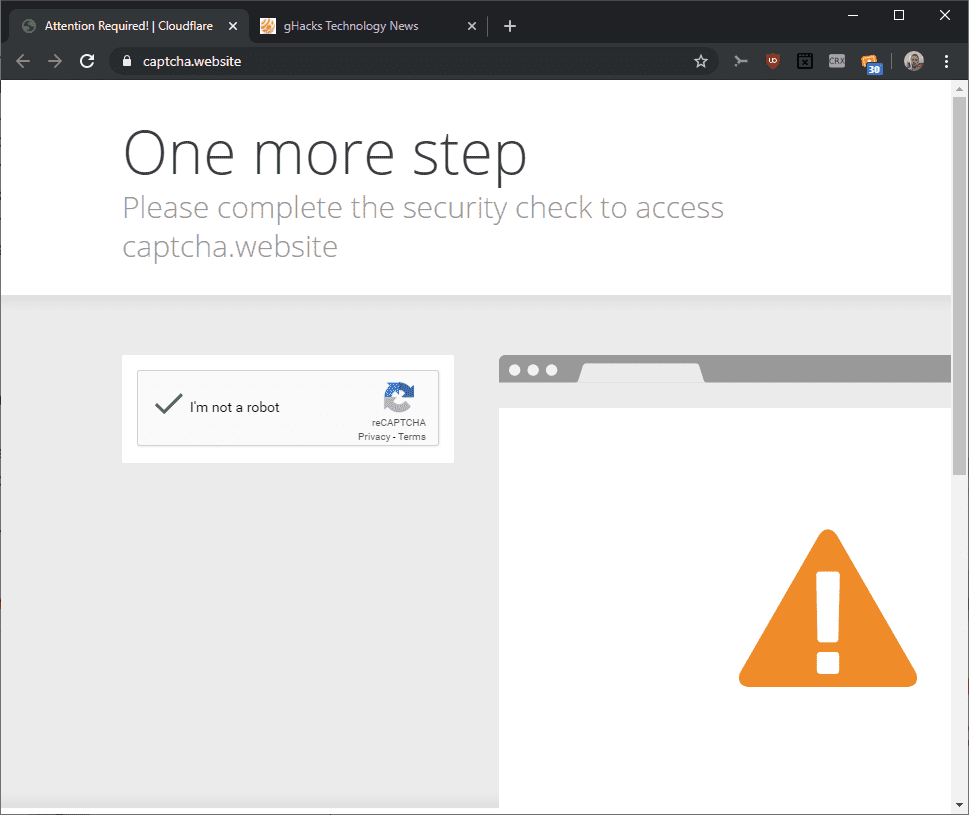
The author, who co-owns an ISP and runs websites, says Cloudflare’s bundled CDN, DNS and basic DDoS protections are attractive to site owners but create problems for some end users outside developed markets. In the author’s experience in Southeast Asia, many visits to Cloudflare-fronted sites trigger reCAPTCHA checks or blocks based on IP ranges, country signals, blacklists or behavior heuristics. The writer reports testing roughly 500 IPs across four /22 blocks and encountering captcha prompts repeatedly across multiple ISPs and mobile networks. On May 13, scheduled maintenance reportedly took down two nearby Cloudflare nodes (Kuala Lumpur and New Delhi), and the author says traffic was routed to much more distant nodes, producing higher latency and missing static assets; the disruption lasted several hours by their account. The post argues wide adoption of Cloudflare’s free tier, often bundled by low-cost hosts, amplifies those user-facing effects.
Why it matters
- Users in regions with fewer nearby Cloudflare data centers can face repeated security prompts and slower performance.
- Global CDN redundancy does not guarantee uniformly distributed capacity; node outages can force long reroutes and increase latency for some users.
- Site owners relying on free tiers and default security settings can unintentionally create friction for legitimate visitors.
- When a single third party fronts many sites, its operational choices and maintenance can affect large portions of the public web.
Key facts
- Cloudflare offers an integrated set of services including CDN, DNS and basic DDoS protections.
- The author says Cloudflare maintains multiple datacenter locations concentrated in the USA, Canada, Europe and China.
- Security features can trigger reCAPTCHA challenges or blocks based on IP blocks, countries, blacklists or behavioral patterns, per the author’s experience.
- The author reports testing approximately 500 IPs across four /22 blocks (about 4,096 addresses total assigned to the ISP) and encountering frequent captcha prompts.
- StackExchange sites are noted by the author as being placed behind Cloudflare’s firewall.
- On May 13, the author reports scheduled maintenance on Cloudflare nodes in Kuala Lumpur and New Delhi that coincided with several hours of disruption.
- During the reported maintenance some Cloudflare-hosted sites did not load static files or were broken for the author, according to the post.
- The author contends Cloudflare’s free tier does not protect against complex DDoS attacks.
What to watch next
- Whether Cloudflare revises how security challenges are applied by IP range or region (not confirmed in the source).
- Changes to Cloudflare’s regional node distribution or maintenance practices affecting Southeast Asia (not confirmed in the source).
- If website owners alter default security settings or stop using Cloudflare to reduce captcha friction for users (not confirmed in the source).
Quick glossary
- CDN: Content Delivery Network — a distributed system of servers that delivers web content to users from locations closer to them to reduce latency.
- DNS: Domain Name System — the service that translates human-readable domain names into IP addresses used by computers.
- DDoS: Distributed Denial-of-Service — an attack that attempts to overwhelm a target site or service with traffic from many sources to disrupt availability.
- reCAPTCHA: A challenge-response test designed to distinguish human visitors from automated bots, often presented as a checkbox or image task.
- IP block (/22): A contiguous range of IP addresses assigned to an organization; a /22 block typically contains 1,024 addresses.
Reader FAQ
Why am I seeing captchas on Cloudflare-protected sites?
The source says Cloudflare’s security settings can prompt visitors for reCAPTCHA based on IP ranges, country origin, blacklists or perceived behavioral patterns.
Did Cloudflare have a regional outage on May 13?
The author reports scheduled maintenance on Cloudflare nodes in Kuala Lumpur and New Delhi on May 13 that coincided with several hours of disruption for them.
Does Cloudflare’s free tier stop large DDoS attacks?
The post states the free tier does not cover complex DDoS attacks.
Are users in developed countries affected the same way?
The author argues users in first-world countries are less likely to notice these issues due to denser data center coverage, but this claim is based on their experience.
SG ARCHIVE ABOUT CloudFlare is ruining the internet (for me) Published in: Rant Follow up: Cloudflare: Making the internet a little bit faster – for a select group of people…
Sources
- Cloudflare Is Ruining the Internet
- What is Cloudflare – and why did its outage take down so …
- Cloudflare incident on August 21, 2025
- Cloudflare Outage (Nov 18, 2025): Database Bug Crashes …
Related posts
- Ez FFmpeg — Plain-English CLI for common ffmpeg video edits and tasks
- Why pre-commit hooks are fundamentally broken and unreliable
- Making Cronjobs More Dynamic with Inline Shell Checks and Examples