
TL;DR
Creatine, the most-studied sports supplement, has moved beyond gyms into mainstream wellness and may help short, intense exercise, muscle maintenance with age, and some aspects of brain function. It’s generally safe for healthy adults at typical doses, but people with kidney disease and those under 18 should be cautious, and the supplement market is not tightly regulated.
What happened
Creatine, a compound the body makes and stores mainly in skeletal muscle, has shifted from a niche athletic product to a common wellness staple. The supplement increases muscle phosphocreatine stores, which speeds regeneration of ATP—the immediate energy source for short, high-intensity efforts—so it can improve power output during sprints, weightlifting, and interval work. Creatine monohydrate remains the most researched and cost-effective form; typical daily dosing is three to five grams. Evidence shows creatine supplements can support muscle strength and lean mass when combined with resistance training and may help counter age-related muscle loss by activating satellite cells. Early studies also point to possible cognitive benefits, including reduced mental fatigue and improved memory in groups with lower baseline creatine. For most healthy adults, trials have not uncovered major long-term harms, though minor side effects like temporary water retention and mild gastrointestinal discomfort are reported. Medical clearance is advised for people with kidney disease, and professional groups advise against use in those under 18 due to limited data.
Why it matters
- Creatine can meaningfully boost short, high-intensity exercise performance and aid recovery when paired with resistance training.
- Supplementation may help preserve or build lean muscle mass as people age, with potential implications for bone health and mobility.
- Emerging research suggests cognitive benefits for certain groups, which could broaden creatine’s use beyond athletics.
- Safety considerations and inconsistent supplement oversight mean users should choose reputable brands and consult clinicians when relevant.
Key facts
- The body produces about one gram of creatine per day from the amino acids arginine, glycine, and methionine.
- Most creatine is stored in skeletal muscle as phosphocreatine; under 5% is found in brain tissue and the testes.
- Creatine phosphate helps recycle ADP back into ATP, supporting rapid energy needs during short, intense efforts.
- Creatine monohydrate is the most studied and generally recommended form; other variants have not shown clear added benefits.
- Standard supplementation is three to five grams per day; some athletes use loading protocols but studies show no long-term advantage and potential extra kidney stress.
- Creatine can increase muscle glycogen storage and, with resistance training, support gains in strength and lean mass.
- Preliminary studies link creatine to reduced mental fatigue and some memory improvements, especially in people with lower baseline creatine.
- Most clinical trials report no major health risks for healthy adults using creatine for months or years; common minor effects include initial water retention and mild GI upset.
- The American Academy of Pediatrics recommends against creatine use in people under 18; people with kidney disease should avoid it unless cleared by a clinician.
- Dietary supplements are not regulated by the FDA for purity or label accuracy; third-party testing is advised.
What to watch next
- Ongoing research into long-term cognitive effects and the potential role of creatine for mood and memory.
- Developments in supplement testing, third-party certification, and industry transparency to address label accuracy and purity.
- Further clinical data on safety and efficacy in adolescents and young adults — currently the American Academy of Pediatrics advises caution.
- not confirmed in the source
Quick glossary
- Creatine: A compound produced by the body and obtained from some foods that helps recycle cellular energy, especially in muscle tissue.
- ATP (adenosine triphosphate): The primary energy carrier in cells used to power muscle contractions and other energy-demanding processes.
- Creatine monohydrate: The most-studied and commonly recommended form of creatine supplement, usually sold as a flavorless powder.
- Loading dose: A higher short-term intake intended to saturate stores quickly; with creatine, loading has not shown long-term advantages in studies.
- Third-party testing: Independent laboratory verification of a supplement’s purity and ingredient accuracy used to reduce the risk of contamination or mislabeling.
Reader FAQ
Do I need creatine if I’m not an athlete?
Not confirmed in the source
What dose is typical?
The usual daily dose cited is three to five grams of creatine monohydrate.
Is creatine safe long term?
Clinical trials report no major health risks for most healthy adults over months or years, though minor side effects can occur.
Can children and teens take creatine?
The American Academy of Pediatrics recommends against creatine for people under 18 due to limited long-term data.
How should I choose a creatine product?
Pick a reputable brand with third-party testing for purity and potency; the Food and Drug Administration does not guarantee supplement labels.
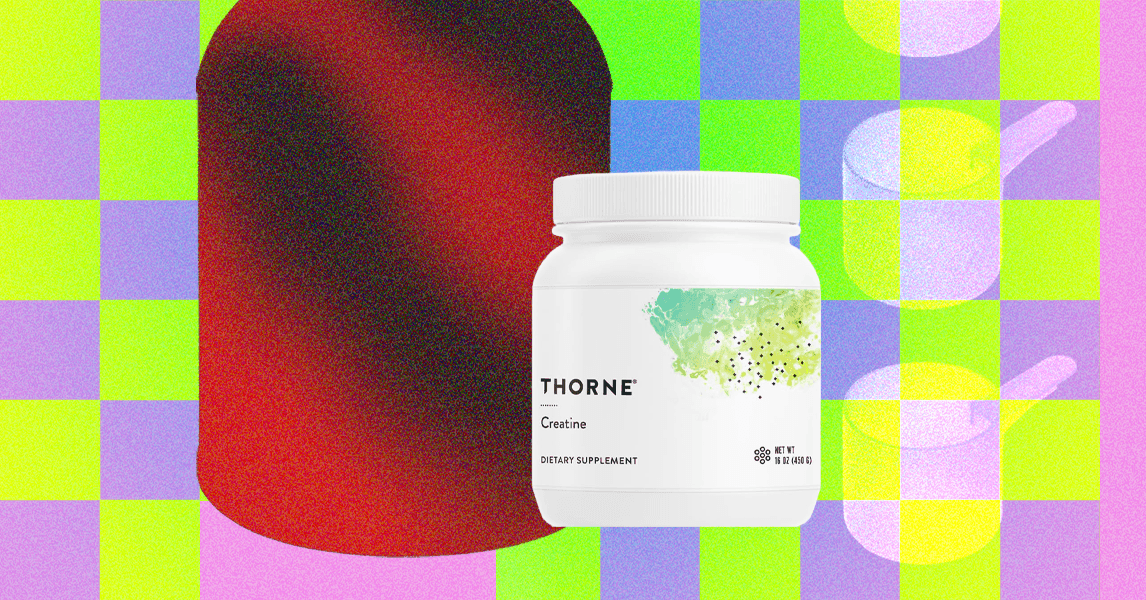
BOUTAYNA CHOKRANE GEAR JAN 8, 2026 7:30 AM Are Creatine Supplements Really Necessary? It’s the most studied supplement in sports medicine, but it’s not just for athletes anymore. COURTESY OF…
Sources
- Creatine Supplements Are Everywhere. Do I Need Them? (2026)
- Is it true that you don't have to take creatine every other month?
- Why I joined the cult of creatine
- Are creatine supplements all that they're pumped up to be?
Related posts
- America’s new energy imperialism extends beyond oil to strategic resources
- How Mormons and Mainstream Brands Shaped America’s Prepping Business
- Stanford scientists build photonic ‘skin’ that mimics octopus camouflage