
TL;DR
David Rosen, who co-founded Sega and guided the company from arcade importer to a global games firm, died on Christmas Day at 95. He led Sega through its arcade heyday and the rise of its home consoles, remaining a company director until 1996.
What happened
David Rosen, a key figure in the development of Japan's arcade and home video game industries, has died at the age of 95; the article reports his death occurred on Christmas Day. Rosen remained associated with Sega as a director until 1996 and was central to the company’s evolution from an importer of coin-operated machines to a developer of electromechanical and video arcade titles. After serving as a US Air Force pilot in Korea, he stayed in Japan and founded Rosen Enterprises in 1954 to import photo booths, later expanding into pinball and other coin-operated equipment. In 1965 he merged with Nihon Goraku Bussan — whose Service Games unit became Sega — and steered the firm into original game design, arcade venues and, from the late 1970s, home consoles. Under his leadership Sega produced landmark arcade and console hardware and hired executives who later defined its 1980s and 1990s success.
Why it matters
- Rosen helped transform Sega from an equipment importer into an influential game developer and publisher.
- Under his stewardship, Sega produced arcade titles and hardware that reshaped arcade culture and influenced home consoles.
- His leadership and recruiting choices laid groundwork for Sega’s international expansion, including the formation of Sega of America.
- The commercial strategies developed during his tenure helped position consoles like the Master System and Mega Drive/Genesis in global markets.
Key facts
- David Rosen died on Christmas Day and was 95 years old.
- He founded Rosen Enterprises in 1954 in Japan after serving as a US Air Force pilot during the Korean War.
- In 1965 Rosen merged his business with Nihon Goraku Bussan; the company’s coin-op business, Service Games, was shortened to Sega.
- Sega moved from importing machines to designing electromechanical arcade games such as Periscope and Killer Shark (1972).
- Rosen recruited Hayao Nakayama in 1979 via acquisition; Nakayama later became president of Sega Japan (1983–1998).
- From the late 1970s Rosen pushed into home TV games; Sega released the Master System in 1986 and the Mega Drive in Japan in 1988.
- Rosen insisted the Mega Drive be renamed Genesis for the US launch and brought Michael Katz from Mattel/Coleco to help market it.
- He remained active in senior roles at Sega until retiring in 1996, after which the company’s console business later declined amid competition from Sony’s PlayStation.
What to watch next
- Official statement or tribute from Sega — not confirmed in the source
- Further obituaries and retrospectives from industry figures reflecting on Rosen’s influence — not confirmed in the source
- Archival interviews or company records that illuminate Rosen’s role in strategic decisions like the Genesis/Genesis marketing and executive hires — not confirmed in the source
Quick glossary
- Arcade game: A coin-operated entertainment machine typically installed in public venues such as arcades, restaurants or amusement centers.
- Electromechanical game: A pre-video type of arcade game that uses mechanical moving parts and electrical components to create gameplay experiences.
- Coin-op (coin-operated): Devices or machines that require coins or tokens to operate, commonly used to describe arcade machines and vending equipment.
- Home console: A consumer electronic device designed to be connected to a television for playing video games in a home setting.
- Master System / Mega Drive (Genesis): Home video game consoles produced by Sega in the 1980s; the Mega Drive was marketed as the Genesis in the United States.
Reader FAQ
When did David Rosen die?
The article reports he died on Christmas Day; he was 95.
Was Rosen a founder of Sega?
He co-founded the company through a merger and led it from the 1960s into the 1990s, remaining a director until 1996.
What were some notable games and hardware associated with his tenure?
Under Rosen, Sega moved into electromechanical arcade titles like Periscope and Killer Shark, arcade hits such as Outrun and Space Harrier, and home systems including the Master System and the Mega Drive/Genesis.
What was the cause of his death?
not confirmed in the source
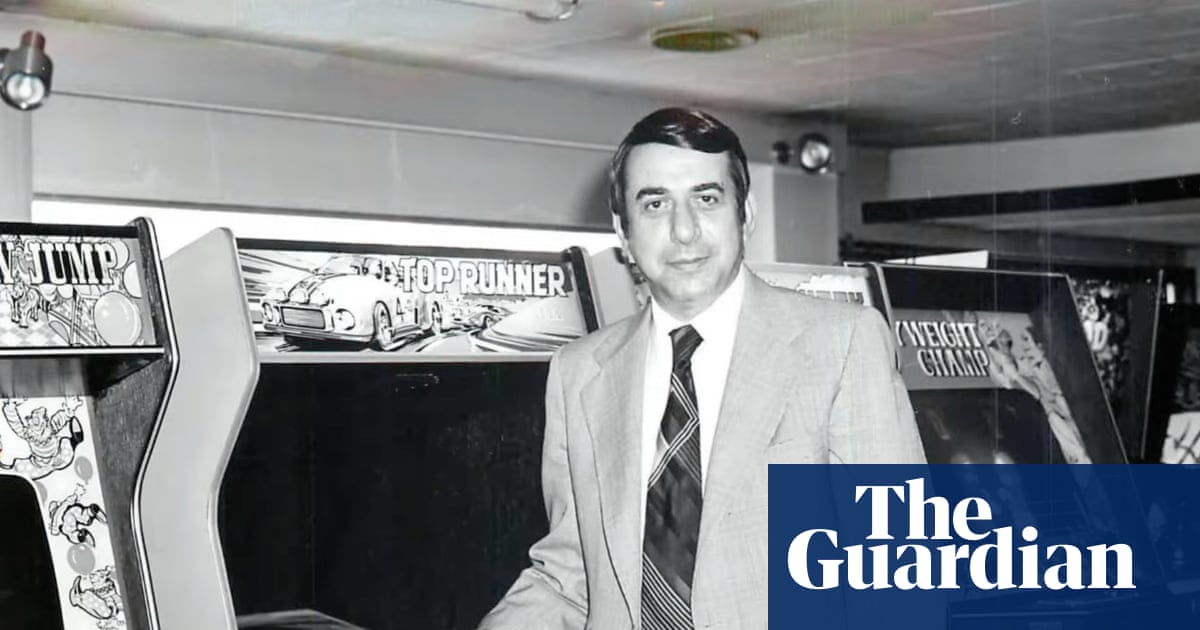
View image in fullscreen Arcade innovator … David Rosen. Photograph: AAMA – American Amusement Machine Association Games Sega co-founder David Rosen dies aged 95 Rosen, who led Sega from the…
Sources
- Sega co-founder David Rosen has died
- David Rosen (businessman)
- Sega co-founder and arcade founding father, David Rosen …
- Arcade "Founding Father" Dead at 95: RIP to One of the …
Related posts
- Xbox Game Pass App Arrives on Google TV via TCL X11L at CES
- David Rosen, Sega Co-founder and Arcade Pioneer, Dies Aged 95
- Asus unveils OLED gaming monitors with sharper text and truer colors