
TL;DR
Michael McFaul argues the United States lacks a clear strategy to manage strategic competition with Vladimir Putin’s Russia and Xi Jinping’s China amid a shifting global order. In 2025, urgent crises in the Middle East—including strikes on Iran’s nuclear sites and the humanitarian catastrophe in Gaza—have consumed attention and risk pulling the U.S. back into extended regional engagements.
What happened
In 2025 global attention centered on multiple conflicts in the Middle East. According to the piece by Michael McFaul, Israel and the United States carried out strikes on Iran’s nuclear facilities, and commentators warned that the U.S. military action — associated with President Trump’s decision — risked drawing Washington back into prolonged regional warfare. The war in Gaza is described as producing severe humanitarian consequences. McFaul, a Stanford professor and Hoover senior fellow, frames these developments against a broader strategic problem: Washington’s approach to managing rivalry with Russia and China remains vague at a time when international dynamics are in flux. He contends that the absence of a well-defined plan for handling Moscow and Beijing is a critical gap that needs to be addressed as global attention and resources are diverted to immediate crises.
Why it matters
- A poorly defined strategy toward Russia and China could leave the U.S. unprepared for escalating great-power competition as crises divert attention.
- Intense engagement in the Middle East risks draining political, military and diplomatic resources needed for long-term strategic competition.
- Ambiguity about U.S. aims increases the chance of miscalculation by adversaries, partners and regional actors.
- Shifts in global priorities may accelerate realignments among other countries, testing U.S. influence and alliance structures.
Key facts
- The article was published December 31, 2025, by Michael McFaul, a Stanford professor and Hoover senior fellow.
- McFaul’s central claim: U.S. policy for dealing with Russia and China is insufficiently defined amid a changing global order.
- In 2025 world leaders were focused on wars in the Middle East, according to the piece.
- Israel and the United States carried out strikes on Iran’s nuclear facilities, as reported in the article.
- Commentators expressed concern that President Trump’s decision to bomb Iran could drag the U.S. into prolonged regional conflict.
- The war in Gaza is described in the piece as a humanitarian disaster.
- The article notes that successive U.S. presidents had promised to reduce entrenched Middle East involvement but that Washington appeared to be pulled back in.
What to watch next
- Whether U.S. policymakers articulate a clearer, coordinated strategy for managing competition with Russia and China.
- The extent and duration of U.S. military and diplomatic involvement in the Middle East following strikes on Iran’s nuclear facilities.
- Responses and policy moves by Russia and China in reaction to U.S. strategic adjustments (not confirmed in the source).
Quick glossary
- Cold War: A period of sustained political, military, and economic rivalry between major powers characterized by indirect confrontation rather than open warfare.
- Humanitarian disaster: A situation in which large-scale human suffering—such as displacement, casualties, and shortages of food or medical care—occurs, often due to conflict or natural events.
- Nuclear facilities: Sites used for the development, processing, or storage of nuclear materials, which can include power plants, enrichment facilities, and research reactors.
- Global order: The set of international rules, institutions, and power relationships that structure interactions among states and other actors.
Reader FAQ
What is the main argument of the article?
McFaul argues that the United States currently lacks a clear, coherent plan for managing rivalry with Russia and China and that this must be remedied amid changing global dynamics.
Did the United States attack Iran in 2025?
The source reports that Israel and the United States struck Iran’s nuclear facilities in 2025.
Is the Gaza conflict mentioned?
Yes. The article describes the war in Gaza as producing a humanitarian disaster.
Does the article prescribe specific policy steps for the U.S.?
Not confirmed in the source.
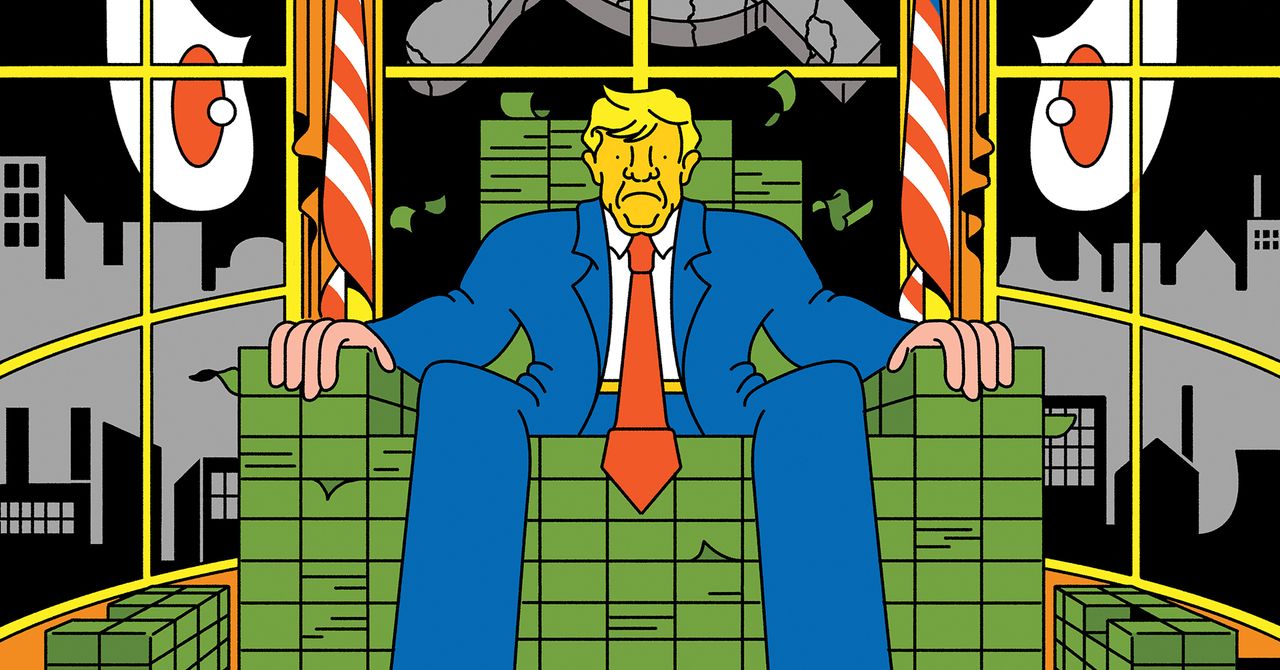
MICHAEL MCFAUL SECURITY DEC 31, 2025 5:00 AM Discovering the Dimensions of a New Cold War The United States’ plan for dealing with Putin’s Russia and Xi’s China remains ill-defined…
Sources
- Discovering the Dimensions of a New Cold War
- What Does an America First China Strategy Look Like?
- Breaking down Trump's 2025 National Security Strategy
- National Security Strategy
Related posts
- Why unglamorous, decades-old software still powers the modern global infrastructure
- zpdf: a high-performance PDF text extractor library written in Zig
- Top Walmart Promo Codes and Coupons: Save Up to 65% on Flash Deals