
TL;DR
On Nov. 3, DHS proposed a rule to expand biometric collection — including DNA — from anyone connected to immigration benefit requests. Civil-liberty groups and attorneys say the change would sweep in U.S. citizens and lacks clear congressional authorization; the public comment period closed Jan. 2 and objections have been filed.
What happened
The Department of Homeland Security put forward a rule change on November 3 that would broaden its authority to collect and retain biometric information from people tied to immigration benefit processes. The draft would require submission of identifiers — such as fingerprints, photographs, signatures, voiceprints, ocular scans and DNA — from any individual "associated" with an application for visas, green cards, work permits or similar benefits unless exempted. The proposal also addresses reuse, storage, and DNA testing, and creates procedures for missed biometric appointments. Legal analysts and the Institute for Justice argue the change would encompass U.S. citizens, nationals and lawful permanent residents who are named or otherwise involved in benefit requests. The agency previously pursued a similar expansion in 2020 but withdrew it after heavy public opposition; the current proposal drew formal objections as the comment period ended on January 2.
Why it matters
- The rule would permit routine collection of highly sensitive biometrics, including genetic material, without individualized suspicion or a warrant.
- A centralized biometric system containing DNA and other identifiers could be retained indefinitely and repurposed for future investigations.
- Legal advocates argue Congress has not clearly authorized DHS to build such a broad, general-purpose biometric database.
- Normalizing biometric sweeps in one administrative context could make similar practices more common elsewhere.
Key facts
- DHS published the proposed rule on November 3 (year given in source).
- The draft would require biometrics from any person "associated" with an immigration benefit request unless exempted.
- Biometric categories specified include fingerprints, photos, signatures, voiceprints, ocular images and DNA.
- The proposal would codify reuse rules and expand DNA testing, use and storage.
- Attorneys and the Institute for Justice say the rule would affect U.S. citizens, nationals and lawful permanent residents regardless of age.
- DHS had pursued a similar biometric expansion in 2020 but withdrew that effort after thousands of public comments.
- The Institute for Justice filed objections on January 2, the day the comment period closed.
- Commenters cited constitutional concerns, invoking prior judicial warnings about expansive genetic databases.
- Reporting in August 2025 noted DHS oversight of an office that manages a biometric database containing more than 300 million profiles.
What to watch next
- Whether DHS finalizes the proposed rule or modifies it following the comment period — not confirmed in the source
- Potential legal challenges or litigation seeking to block or narrow the rule's implementation — not confirmed in the source
- Any legislative response from Congress to clarify or limit agency biometric authority — not confirmed in the source
Quick glossary
- Biometric data: Unique physical or behavioral characteristics used to identify individuals, such as fingerprints, facial images, iris scans, voiceprints and DNA.
- DNA: Deoxyribonucleic acid, the genetic material in living organisms that can be used to identify biological relationships and unique genetic markers.
- Office of Biometric Identity Management (OBIM): A DHS component that manages biometric identity records and systems used for identification and verification.
- Fourth Amendment: Part of the U.S. Constitution that protects against unreasonable searches and seizures and generally requires individualized suspicion or a warrant for many types of searches.
Reader FAQ
Would U.S. citizens be required to provide DNA under this proposal?
According to legal analysts cited in the source, the proposal would reach U.S. citizens, nationals and lawful permanent residents who are "associated" with immigration benefit requests; the rule itself is still a proposal.
Has Congress authorized DHS to collect and store Americans' DNA?
Advocates quoted in the source say Congress has not clearly authorized the agency to establish such a broad biometric regime; the source does not show a contrary congressional authorization.
Could DNA and other biometrics be used for law-enforcement investigations?
The Institute for Justice's comment asserts the proposal would allow conversion of biological material into persistent records retained indefinitely and available for future law-enforcement and investigative use.
What is the current status of the proposal?
The public comment period ended on January 2, and the Institute for Justice filed objections; whether DHS will finalize or change the rule is not confirmed in the source.
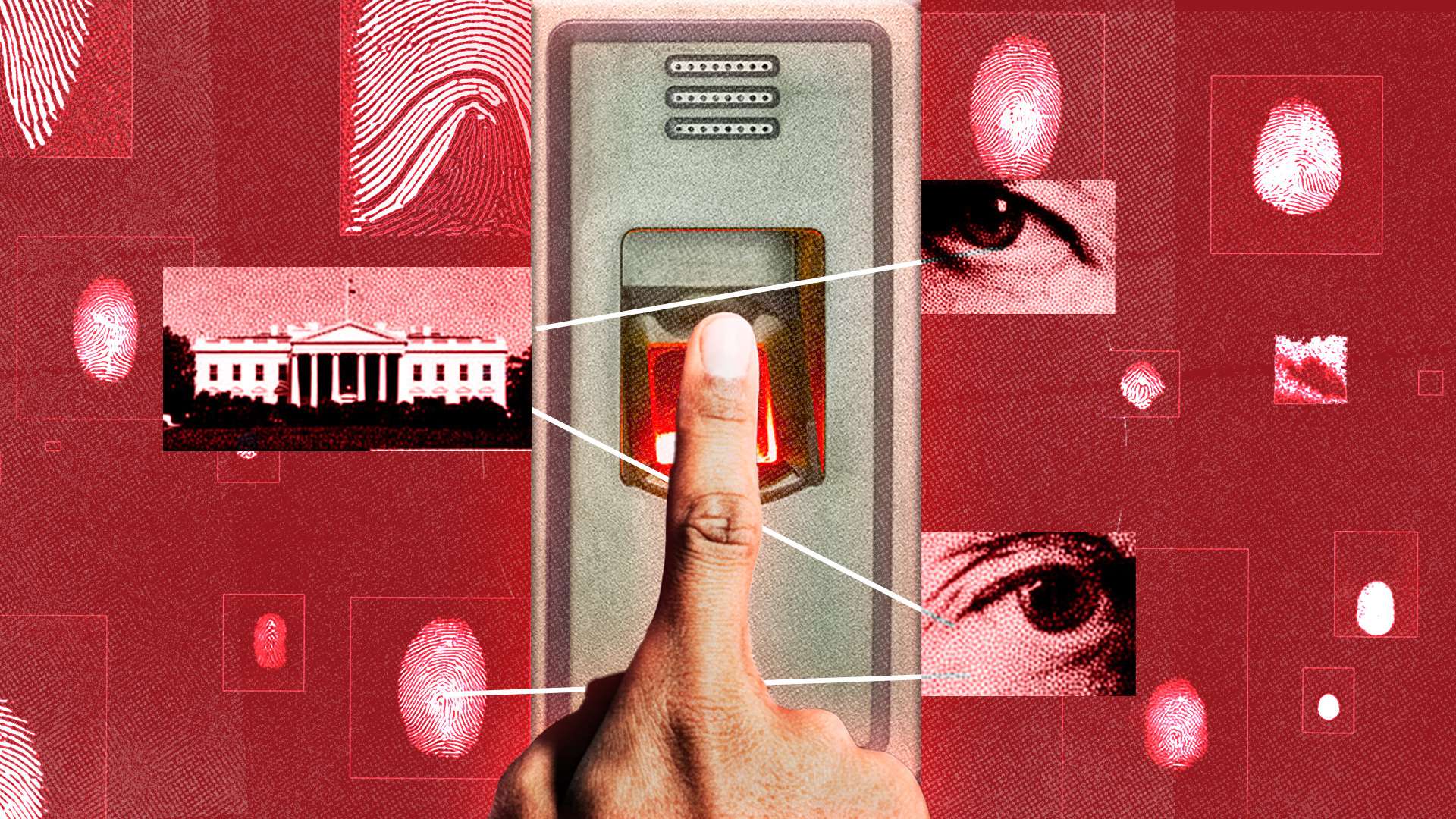
DHS DHS Invokes Immigration Enforcement To Justify Gathering Americans' DNA A proposed rule change would allow routine gathering of biometric data without a warrant. J.D. TUCCILLE | 1.9.2026 7:00 AM…
Sources
- DHS Invokes Immigration Enforcement to Justify Gathering Americans' DNA
- Public Interest Law Firm Opposes DHS Proposal to Collect …
- DHS Proposes Expanded Biometrics Requirements for …
- Collection and Use of Biometrics by U.S. Citizenship and …
Related posts
- Putinswap: France swaps alleged ransomware aide for detained researcher
- Silicon Valley Billionaires Flee California Over Proposed 5% Wealth Tax
- “They Saw a Protest”: Cognitive Illiberalism and the Speech–Conduct Distinction