
TL;DR
In a recent federal court filing, a DHS official said REAL ID cards can be unreliable for confirming U.S. citizenship. The statement comes amid a civil-rights suit by the Institute for Justice after a U.S. citizen was detained twice during immigration raids despite presenting a state REAL ID.
What happened
A December court declaration from Philip Lavoie, acting assistant special agent in charge of DHS's Mobile, Alabama, office, said that REAL ID cards may not reliably establish U.S. citizenship. The statement was part of DHS's response to an October civil-rights lawsuit filed by the Institute for Justice on behalf of Leo Garcia Venegas, who says he was detained twice during immigration enforcement actions at construction sites in May and June. According to the suit, officers retrieved Venegas's Alabama-issued REAL ID but questioned its authenticity and kept him handcuffed for lengthy periods—about an hour the first time and 20–30 minutes the second—before running database checks and releasing him. DHS argued in filings that differing state compliance rules can allow issuance to noncitizens, and that agents therefore may need further verification. The case highlights tensions between federal enforcement practices, state ID standards, and civil-rights concerns.
Why it matters
- Calls into question the practical utility of REAL ID as proof of citizenship despite its certification process.
- Highlights risk of wrongful detentions and potential Fourth Amendment implications when officers discount state-issued IDs.
- Exposes how variations in state REAL ID implementation can affect federal enforcement and individual rights.
- May intensify legal and policy scrutiny of immigration enforcement methods and identity-document standards.
Key facts
- Philip Lavoie's December 11 court declaration said REAL ID may be unreliable for confirming U.S. citizenship.
- The Institute for Justice filed a civil-rights lawsuit in October on behalf of Leo Garcia Venegas.
- Venegas was detained twice during immigration raids in May and June; he presented an Alabama REAL ID both times.
- According to the lawsuit, officers kept Venegas handcuffed for about an hour the first time and 20–30 minutes the second time before verifying his status and releasing him.
- DHS told Reason that REAL IDs are not immigration documents and that the Immigration and Nationality Act requires aliens to carry immigration documents.
- Lavoie's filing cited variability in state REAL ID compliance rules and HSI training as reasons officers may not treat REAL IDs as definitive proof of citizenship.
- The REAL ID Act was passed by Congress in 2005 to set uniform standards for state identification and introduced a marking (a star) for compliant IDs.
- REAL ID enforcement was delayed multiple times over the years and enforcement of certain REAL ID requirements began this May, per the reporting.
- The article notes a recent Supreme Court development in September that affected legal standards around profiling and immigration stops.
What to watch next
- Outcome of the Institute for Justice lawsuit on behalf of Leo Garcia Venegas — not confirmed in the source.
- Whether DHS will revise guidance or training about relying on state REAL IDs for citizenship verification — not confirmed in the source.
- Any congressional or state action to harmonize REAL ID issuance rules or to clarify the card's evidentiary status — not confirmed in the source.
Quick glossary
- REAL ID: A set of federal standards, established by the REAL ID Act of 2005, for state-issued driver's licenses and ID cards intended to improve identity verification for certain federal purposes.
- Department of Homeland Security (DHS): The federal agency responsible for public security, which oversees immigration enforcement components and certifies state compliance with REAL ID standards.
- Institute for Justice: A public-interest law firm that litigates on civil liberties and property-rights issues; it filed the suit referenced in the reporting.
- Fourth Amendment: Part of the U.S. Constitution that protects people from unreasonable searches and seizures and requires probable cause for many types of government detentions.
- Immigration and Nationality Act (INA): The federal law governing immigration and citizenship in the United States, which includes rules about documentation for noncitizens.
Reader FAQ
Did DHS say REAL ID is unreliable for proving citizenship?
Yes. In a December court filing, a DHS official stated that REAL IDs may be unreliable to confirm U.S. citizenship.
Was the detained worker carrying a REAL ID?
According to the Institute for Justice lawsuit, Leo Garcia Venegas presented an Alabama-issued REAL ID during two detentions.
Does DHS consider REAL IDs to be immigration documents?
No. DHS told Reason that REAL IDs are not immigration documents and contrasted them with the documents the INA requires noncitizens to carry.
Is REAL ID a national ID system?
DHS says REAL ID is not a national ID system and does not use a centralized national database; civil-liberties groups dispute that characterization—both positions are noted in the reporting.
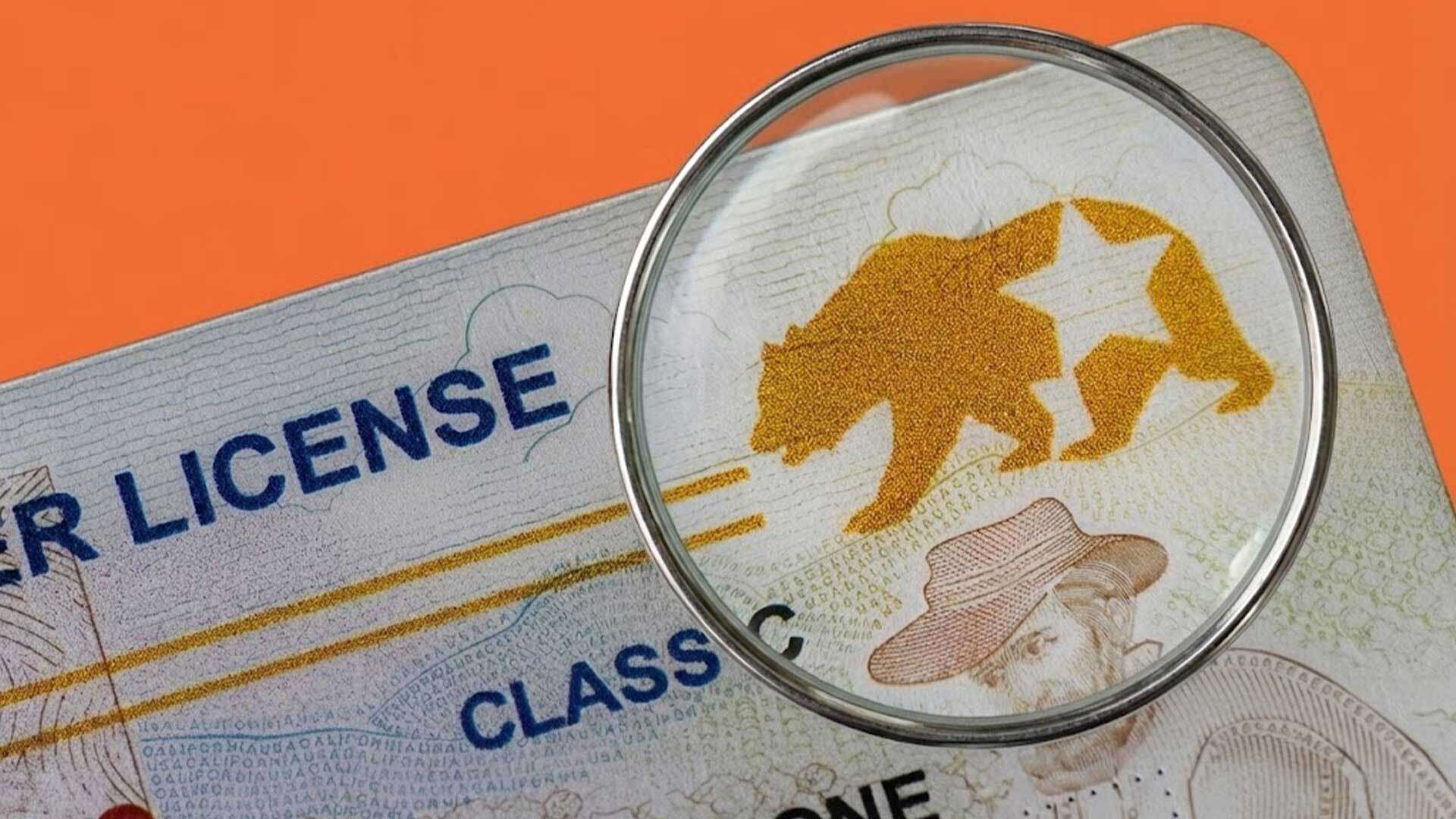
DEPARTMENT OF HOMELAND SECURITY DHS Says REAL ID, Which DHS Certifies, Is Too Unreliable To Confirm U.S. Citizenship It's the punch line to a bad joke that started 20 years…
Sources
- DHS Says DHS-Certified Real IDs Too Unreliable to Confirm U.S. Citizenship
- Everything You Need to Know About the REAL ID
- Real ID – Real Scary
- REAL ID Frequently Asked Questions
Related posts
- Public domain 2026: Betty Boop, Pluto, and Nancy Drew set free
- ACM Makes Entire Digital Library Open Access Starting January 1, 2026
- Mitigating RF Pollution from Satellite Constellations and Telescopes