
TL;DR
Bengaluru-based EtherealX raised $20.5 million in an oversubscribed Series A, lifting its valuation to $80.5 million as it prepares hot-fire engine tests. The startup is building a 150-acre campus and targeting a 2027 technology demonstration flight for a fully reusable medium‑lift vehicle.
What happened
Ethereal Exploration Guild, trading as EtherealX, closed a $20.5 million Series A round that increased its valuation roughly 5.5x to $80.5 million. The round was led by TDK Ventures and BIG Capital, with participation from Accel, Prosus, YourNest, BlueHill, Campus Fund and Riceberg Ventures. The Bengaluru company, which previously raised $5 million in August 2024, is developing a fully reusable medium‑lift launcher called Razor Crest Mk‑1. EtherealX is building two engines in house: an 80‑kilonewton upper‑stage engine named Pegasus and a 1.2‑meganewton booster engine called Stallion. The startup plans hot‑fire tests around June–July and aims for a technology demonstration flight in November–December 2027, followed by commercial missions from late 2028. To scale testing and production, EtherealX operates a test site in Tamil Nadu and has secured a 150‑acre manufacturing and test campus in a proposed space city in Andhra Pradesh expected to be operational by mid‑2026.
Why it matters
- EtherealX’s focus on returning both booster and upper stage targets deeper reusability than many current small/medium launchers.
- A successful reusable vehicle from an Indian startup could expand global launch capacity and offer alternatives to incumbents setting price and cadence benchmarks.
- The new funding and campus are intended to accelerate engine qualification and higher‑cadence testing, critical steps toward demonstration and commercial flights.
Key facts
- Series A: $20.5 million led by TDK Ventures and BIG Capital; other investors include Accel, Prosus, YourNest, BlueHill, Campus Fund and Riceberg Ventures.
- Post‑money valuation: $80.5 million (about 5.5x increase from the prior valuation).
- Engines in development: Pegasus (80 kN upper‑stage) and Stallion (1.2 MN booster).
- Propulsion details: Pegasus reportedly offers 323 s vacuum specific impulse using a described full‑flow segregated cooling cycle and an additively manufactured turbopump; Stallion uses a gas‑generator cycle with 306 s sea‑level specific impulse.
- Engine test timeline: hot‑fire tests targeted for June–July (year not specified but implied upcoming).
- Vehicle configuration: Razor Crest Mk‑1 with clustered engines—nine Stallion units on the booster and 15 Pegasus engines on the upper stage.
- Payload targets: up to 24.8 tonnes expendable, 22.8 tonnes partially reusable, and about 8 tonnes fully reusable.
- Commercial targets: technology demonstration flight planned for Nov–Dec 2027; commercial missions expected toward the end of 2028.
- Facilities: Base 001 engine test site in Tamil Nadu and a secured 150‑acre manufacturing/testing campus in Andhra Pradesh expected operational by mid‑2026.
- Commercial interest: launch memoranda of understanding totaling about $130 million with customers including Japan’s SpaceBD and Taiwan’s TASA.
What to watch next
- Progress and results of the Pegasus and Stallion hot‑fire tests targeted for June–July.
- Whether the Razor Crest Mk‑1 achieves the Nov–Dec 2027 technology demonstration flight window.
- Operational readiness and ramp up of the 150‑acre Andhra Pradesh campus by mid‑2026.
Quick glossary
- Reusable rocket: A launch vehicle or stage designed to return to Earth and be flown again, reducing the cost per launch over multiple flights.
- Specific impulse: A measure of rocket engine efficiency, expressed in seconds, indicating how effectively propellant produces thrust.
- Hot‑fire test: A ground test where a rocket engine is ignited and run under controlled conditions to verify performance and reliability.
- Turbopump: A rotating machine that feeds propellants into a rocket engine’s combustion chamber at the required pressure and flow rate.
- Clustered engines: An arrangement where multiple engines are used together on a single stage to achieve the desired total thrust.
Reader FAQ
How much did EtherealX raise and who led the round?
EtherealX raised $20.5 million in a Series A led by TDK Ventures and BIG Capital, with several other investors participating.
What are the names and roles of EtherealX’s engines?
The company is developing Pegasus (an 80 kN upper‑stage engine) and Stallion (a 1.2 MN booster engine).
When is EtherealX planning its first demonstration flight?
The startup has targeted a technology demonstration flight for November–December 2027.
What is EtherealX’s planned timeline for commercial launches?
Commercial missions are expected to begin toward the end of 2028.
How large is EtherealX’s workforce and hiring plans?
The company currently employs 67 people and expects to increase to about 90 within the next two months.
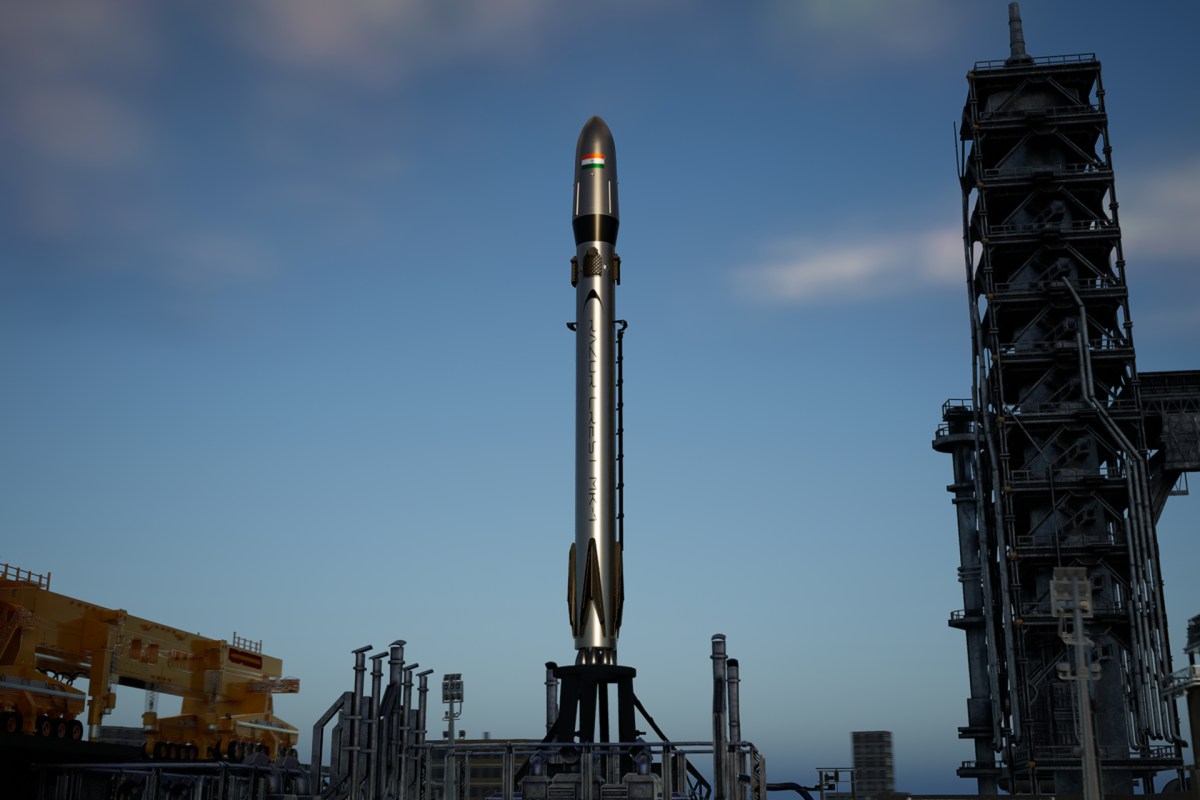
Ethereal Exploration Guild, an Indian space tech better known as EtherealX, has climbed 5.5x in valuation to $80.5 million after its latest funding round. The startup is developing a launch…
Sources
Related posts
- Raspberry Pi 5 gains local LLM capability with the AI HAT+ 2 module
- OpenAI launches ChatGPT Translate as a direct rival to Google Translate
- Handy: Free Open-Source Offline Speech-to-Text App for macOS, Windows, Linux