
TL;DR
Researchers at the University of Helsinki report a liquid compound of TBN and benzyl alcohol that captures CO₂ from ambient air with high uptake and releases it at modest temperatures. The material is inexpensive to make, reusable across many cycles, and the team is pursuing larger‑scale, solid‑form tests, though commercial deployment timing is unclear.
What happened
A University of Helsinki research group led by postdoctoral researcher Zahra Eshaghi Gorji described a liquid sorbent made from the superbase 1,5,7‑triazabicyclo[4.3.0]non‑6‑ene (TBN) combined with benzyl alcohol (TBN‑BA) that captures carbon dioxide from ambient air. In lab trials the compound showed strong molar and gravimetric capture performance, took up roughly 156 milligrams of CO₂ per gram of material, and did not react with nitrogen, oxygen or other atmospheric gases. Captured CO₂ can be released with a moderate heat treatment — about 30 minutes at 70°C — and the liquid retained a substantial portion of its capacity after repeated capture/release cycles (approximately 75% after 50 cycles and 50% after 100). The team reports the material is affordable to produce and non‑toxic. Researchers are now working to embed the liquid sorbent into solid supports for pilot‑scale direct air capture (DAC) testing; the technology remains at laboratory scale and a commercial timeline is not established.
Why it matters
- Lower regeneration temperatures could reduce energy needs and operating costs for direct air capture systems.
- A reusable, inexpensive sorbent could make carbon removal more economically viable at larger scales.
- Materials that selectively bind CO₂ without reacting with other atmospheric gases simplify capture systems and downstream processing.
- Improved DAC technologies could help address rising CO₂ emissions linked partly to growing datacenter energy demand.
Key facts
- Material: a liquid compound of TBN (1,5,7‑triazabicyclo[4.3.0]non‑6‑ene) and benzyl alcohol, referred to as TBN‑BA.
- Capture capacity: about 156 milligrams of CO₂ per gram of the TBN‑BA compound in testing.
- Selectivity: did not react with nitrogen, oxygen or other atmospheric gases in the reported experiments.
- Regeneration: captured CO₂ was released after roughly 30 minutes of exposure to 70°C air; far lower than reported requirements for some other sorbents (~900°C).
- Reusability: TBN‑BA retained about 75% of its absorption capacity after 50 capture/release cycles and about 50% after 100 cycles.
- Safety and cost: researchers describe the compound as non‑toxic and inexpensive to produce.
- Scale‑up work: the team is attempting to incorporate the liquid sorbent into solid supports such as silica and graphene oxide and has access to a pilot‑scale setup for solid sorbents.
- Development status: the technology is currently at laboratory scale; broader testing and commercialization require additional time, funding and engineering.
What to watch next
- Performance results from near‑industrial or pilot‑scale tests of solid sorbents containing TBN‑BA as they become available.
- Progress on producing a stable solid form of the TBN‑BA sorbent (the team is actively working on this).
- Commercialization timeline and required investment: not confirmed in the source.
- Actual lifecycle energy and cost assessments for systems using TBN‑BA compared with existing DAC technologies: not confirmed in the source.
Quick glossary
- Direct Air Capture (DAC): A set of technologies that remove carbon dioxide directly from ambient air for storage, utilization, or disposal.
- Sorbent: A material that captures and holds gases or liquids by adsorption or absorption.
- Regeneration: The process of releasing captured CO₂ from a sorbent so the material can be reused.
- Molar/Gravimetric capture capacity: Measures of how much CO₂ a sorbent can capture, expressed per mole or per mass of the sorbent.
Reader FAQ
Is the TBN‑BA sorbent ready for commercial deployment?
No. The technology is at laboratory scale and researchers say further development, scale‑up and funding are required; a commercial timeline is not provided.
How much CO₂ does the compound capture?
In reported tests the compound captured about 156 milligrams of CO₂ per gram of material.
Is the material toxic?
Researchers describe the TBN‑BA compound as non‑toxic in the reporting.
Will this fix datacenter emissions immediately?
Not confirmed in the source.
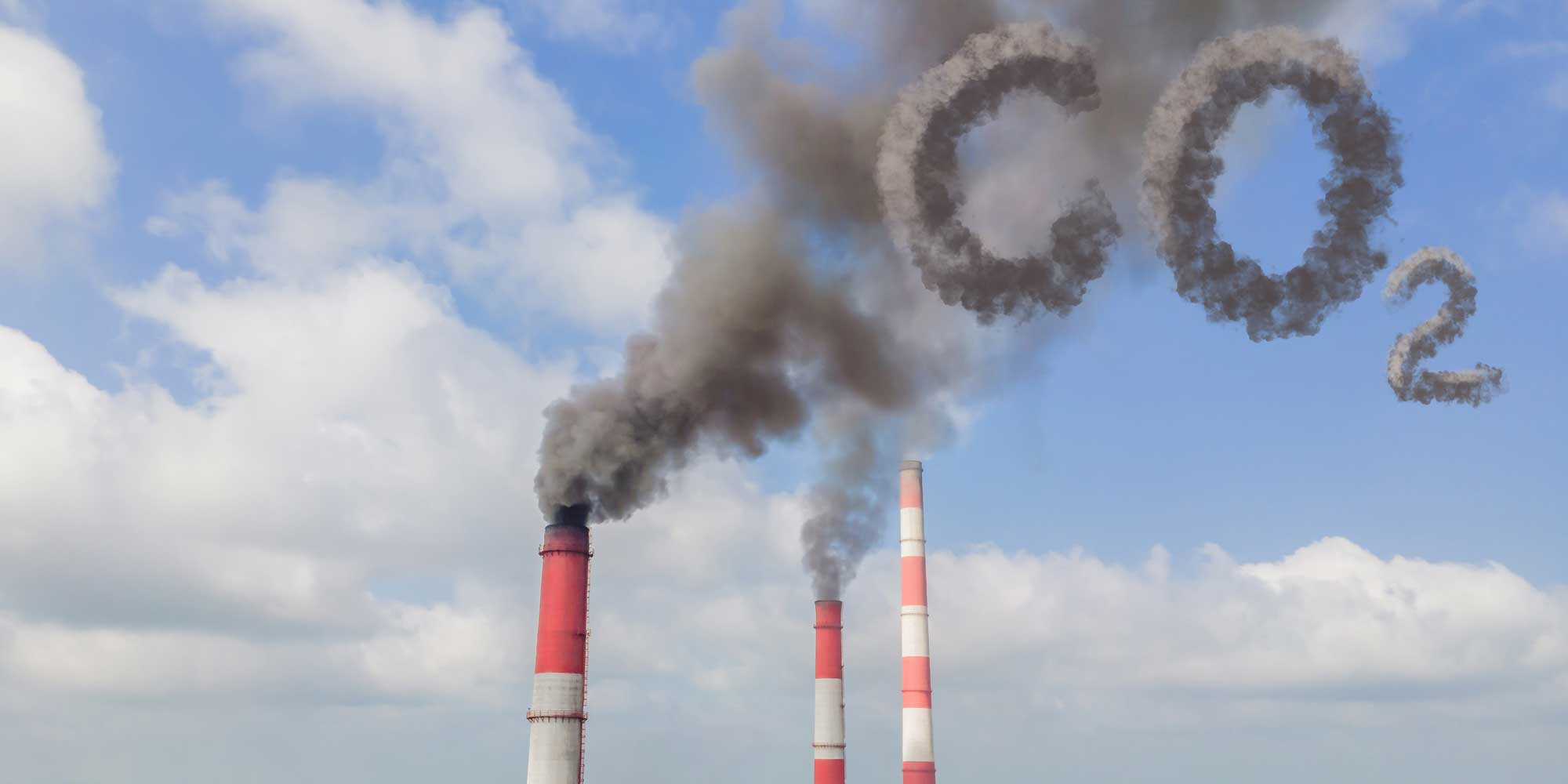
SCIENCE New carbon capture tech could save us from datacenter doom Maybe our AI overlords, hell-bent on securing power any way they can, should invest in getting this to market…
Sources
- New carbon capture tech could save us from datacenter doom
- Boffins discover cheap, effective carbon capture material
- Low-energy compound pulls CO2 from thin air without …
- Helsinki chemists develop low temperature direct air …
Related posts
- Claude Code Emergent Behavior — What Happens When Skills Combine
- Election Deniers Claim Venezuela Operation Proves 2020 Vote Was Stolen
- Implementing WebDAV/CalDAV: frustrations, RFC drift and reverse engineering