
TL;DR
A Pixel enthusiast who uses the Pixel 10 Pro daily says Google is close to delivering a near-complete experience but still has several areas to fix heading into 2026. Key issues include underwhelming speakers, conservative camera processing, a flailing mid-range strategy, recurring software bugs, and Tensor chipset performance gaps.
What happened
A long-time Pixel fan and reviewer reports that the Pixel 10 Pro has become his daily driver thanks to an overall strong experience, but he identifies five recurring shortcomings Google should resolve in 2026. First, the Pixel 10 Pro's speakers are described as relatively weak — muffled, lacking depth and quieter than rival flagships. Second, Google’s camera processing feels safe and predictable compared with more adventurous approaches from several Chinese brands; the author suggests more aggressive imaging work or user-adjustable profiles. Third, Google’s mid-range A-series needs clearer identity and better internals after the Pixel 9a’s minimalist redesign and the Pixel 8a’s more favorable reception. Fourth, the author urges Google to expand foldable experimentation to include a clamshell flip device alongside its book-style Pixel 10 Pro Fold. Finally, software stability and Tensor chip performance are flagged: users report persistent bugs (for example, photos sometimes fail to save) and the Tensor G5, while improved in some areas, still trails top-tier competitors.
Why it matters
- Inconsistent software and recurring bugs undermine user trust even when hardware is strong.
- Audio and camera experience are key differentiators at flagship price points; lagging here weakens Pixel’s competitiveness.
- A weak mid-range line and limited form-factor variety restrict Google’s ability to reach broader segments.
- Chipset performance deficits limit gaming and daily responsiveness, making it harder to compete with Qualcomm and MediaTek.
Key facts
- The author regularly uses the Pixel 10 Pro as a daily device but acknowledges it is not perfect.
- Pixel 10 Pro speakers are described as muffled, flat and quieter than other $1,000 flagships such as the iPhone 17 Pro Max, Galaxy S25 Ultra and OnePlus 15.
- Google’s camera processing is characterized as consistent and restrained, but increasingly conservative compared with Oppo, Vivo and Xiaomi.
- The Pixel 8a was praised for its design direction; the Pixel 9a adopted a more minimal look that removed the camera bar and prioritized battery life over charm.
- The Pixel 10 Pro Fold is a book-style foldable with IP68 rating, Tensor hardware and software tailored for foldable screens.
- Users have reported software bugs on Pixel devices; one cited example is photos taken in quick succession sometimes getting stuck in processing and not being saved.
- Tensor G5’s move to a TSMC process improved cellular reception and reduced heating, but overall performance and gaming capability still lag some competitors.
- The author calls for Google to improve development and testing practices to deliver more stable, consistent software across Pixel models.
What to watch next
- Whether Google will improve speaker loudness, clarity and tuning in the Pixel 11 series (not confirmed in the source).
- Any announced changes to camera processing such as new pipelines or user-selectable color and shadow/highlight controls (not confirmed in the source).
- Google’s plans for the A-series identity and whether the Pixel 10a departs from the Pixel 9a’s minimalist approach (the source notes the Pixel 10a may resemble the 9a).
- Whether Google will introduce a Motorola Razr-style clamshell Pixel flip running stock Android (not confirmed in the source).
Quick glossary
- Tensor: Google’s family of system-on-chips (SoCs) designed for Pixel phones that combine CPU, GPU and custom AI/ML hardware.
- ISP: Image Signal Processor — the component that handles raw camera data and is key to image quality and on-device photo processing.
- A-series: Google’s mid-range Pixel lineup intended to balance price and features for mainstream buyers.
- Foldable (book-style vs clamshell): Foldable phones either open like a book to provide a larger tablet-like screen or fold vertically in a clamshell (flip) design that mimics traditional flip phones.
- IP68: An ingress protection rating indicating a device is dust-tight and can survive immersion in water under specified conditions.
Reader FAQ
Will Google fix these issues in 2026?
Not confirmed in the source.
Are the software bugs widespread on Pixel phones?
The source says many Pixel users have reported recurring issues, including photos not saving in some cases.
Is Tensor G5 a meaningful improvement?
According to the source, the move to TSMC improved cellular reception and reduced heating, but performance still trails some flagship competitors.
Will Google release a Pixel flip phone?
Not confirmed in the source.
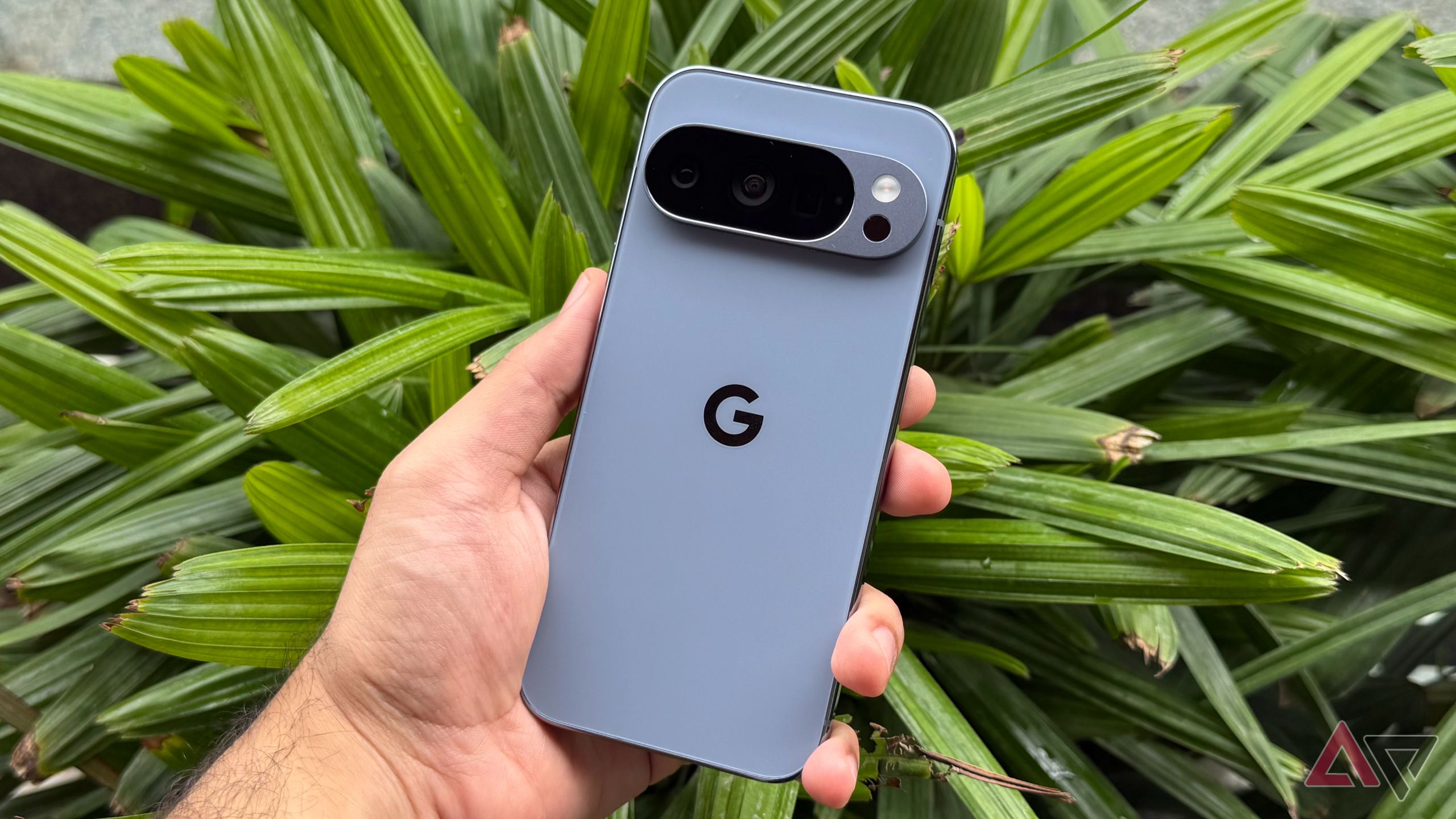
I've had enough — Google still has these 5 Pixel problems to sort out in 2026 By Sanuj Bhatia Published 11 minutes ago Sanuj is a tech enthusiast with a…
Sources
- I've had enough — Google still has these 5 Pixel problems to sort out in 2026
- Google Pixel phones need a crucial fix in 2026
- Four Android stories that annoyed us in 2025
- 2026 is Google's last chance to fix its Pixel foldables
Related posts
- I turned NotebookLM into a personal finance coach and it exposed my bad habits
- Google begins gradual rollout to let users change their @gmail.com address
- How a small Spanish virus led Google to set up a cybersecurity hub in Málaga