
TL;DR
Tech professionals and researchers from abroad are declining US job offers and skipping conferences amid tougher border enforcement and visa rules since January. Organizers and companies report rising denials and deterrents, and some events and talent are shifting to other countries.
What happened
Since President Trump took office in January, foreign technologists and researchers have been steering clear of the United States for both short‑term travel and longer‑term work. Conference attendees report being denied entry at the border even with correct paperwork, and trade show managers say persuading overseas participants to attend US events has become increasingly difficult. Several show organizers are closing US‑based editions and exploring alternatives in Europe, Canada and Asia. Scientific meetings likewise report lower international turnout, with researchers citing visa delays and fears of detention or denial. Chinese tech professionals invited to CES faced unusually high visa denial rates, and some advisers in China say mentioning CES on applications can raise the risk of rejection. The administration’s new Restriction on Entry of Certain Nonimmigrant Workers includes a provision that employers must pay an annual $100,000 fee per H‑1B application, a change sources describe as a deterrent to hiring foreign tech talent. Major firms have also warned overseas staff to return promptly while advising limits on dependents’ travel.
Why it matters
- Reduced international attendance at US conferences may weaken knowledge exchange and collaboration in research and industry.
- Higher costs and stricter H‑1B rules could discourage companies—especially smaller ones—from hiring foreign technical staff.
- Shift of events and talent to rival hubs may erode the US position as a leading destination for global tech talent.
- Disruption and relocation of skilled workers could delay projects and exacerbate labor shortages for US employers.
Key facts
- Trade show organizers report growing difficulty convincing non‑US participants to attend American events.
- Some US events are being shut or relocated, with alternatives being sought in Europe, Canada and Asia.
- Scientific meetings cite visa complications and fears of being hassled, detained, or denied entry as reasons for lower foreign attendance.
- Chinese attendees invited to CES reported unusually high rates of US visa denials; advisers in China have warned that mentioning CES may hurt applications.
- CES organizers publicly urged US leaders to speed business‑travel visa approvals; the source reports these appeals have not been heeded.
- The Trump administration’s 'Restriction on Entry of Certain Nonimmigrant Workers' requires employers to pay an annual $100,000 fee for each H‑1B application, according to the source.
- A Specialist Staffing Group report found 32% of US‑based STEM professionals said they were open to relocating, per the source.
- Major technology firms—including Amazon, Microsoft and Google—have reportedly encouraged overseas staff to return to the US quickly while advising limits on dependents’ travel, according to the source.
What to watch next
- Whether US policymakers revise or repeal the new H‑1B fee and related restrictions (not confirmed in the source).
- Announcements from major conference organizers about permanently relocating or cancelling US editions of key tech events.
- Visa approval trends for business travel to the US, particularly in the run‑up to major shows like CES.
Quick glossary
- H‑1B visa: A US nonimmigrant visa that allows employers to hire foreign workers in specialty occupations, typically in tech, engineering, and related fields.
- CES: An annual large‑scale consumer electronics trade show held in Las Vegas that attracts exhibitors and attendees from around the world.
- Trade show organizer: An entity responsible for planning and running industry conventions and exhibitions, including logistics, programming and participant recruitment.
- Visa denial: An official refusal by a government to grant permission for an individual to enter a country for travel, work, or study.
Reader FAQ
Why are foreign tech workers avoiding the US?
The source cites stricter border enforcement, visa denials, and new H‑1B rules that increase costs for employers as the primary reasons.
Is the H‑1B fee now $100,000 per application?
The article states the administration’s new restriction includes a provision requiring employers to pay an annual $100,000 fee per H‑1B application.
Are conferences seeing fewer international attendees?
Yes—trade show managers and scientific meeting organizers reported falling attendance from abroad and difficulty getting overseas participants to travel to US events.
Are major tech firms moving operations out of the US?
Not confirmed in the source.
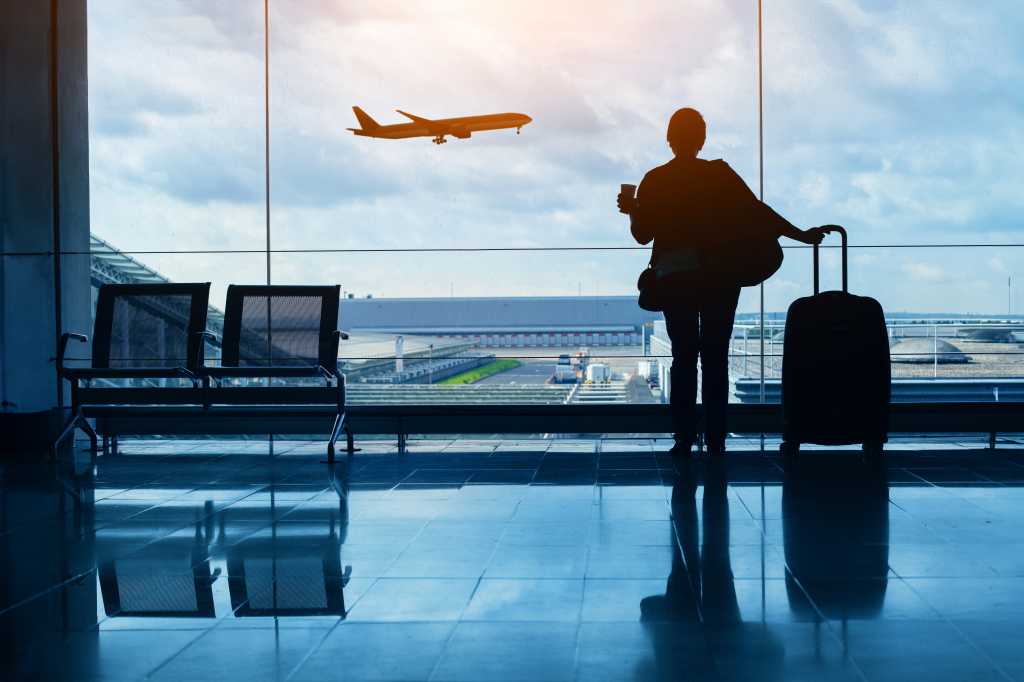
It's not just the Trump Administration’s H-1B visa overhaul that’s keeping people away from jobs and conferences in the US. Credit: Shutterstock I go to a lot of tech conferences…
Sources
- Foreign tech workers are avoiding travel to the US
- Major tech companies warn employees against …
- Tech firms warn employees against international travel as …
- How Google and Apple Warn H-1B Workers Against Travel
Related posts
- Netflix Open Content: Company Posts Resource Hub — Full Details Not Confirmed
- 2025 Ranks as Second-Hottest Year, Continuing Unexplained Recent Warming
- Lead administrator quits, leaving Cyber Trust Mark program’s future doubtful