
TL;DR
A Beechcraft Super King Air B200 completed an emergency landing at Rocky Mountain Metropolitan Airport in Colorado under Garmin's Autoland system after a rapid loss of cabin pressurization. The FAA confirmed the landing, said two people were on board and is investigating; the operator says pilots deliberately kept Autoland engaged.
What happened
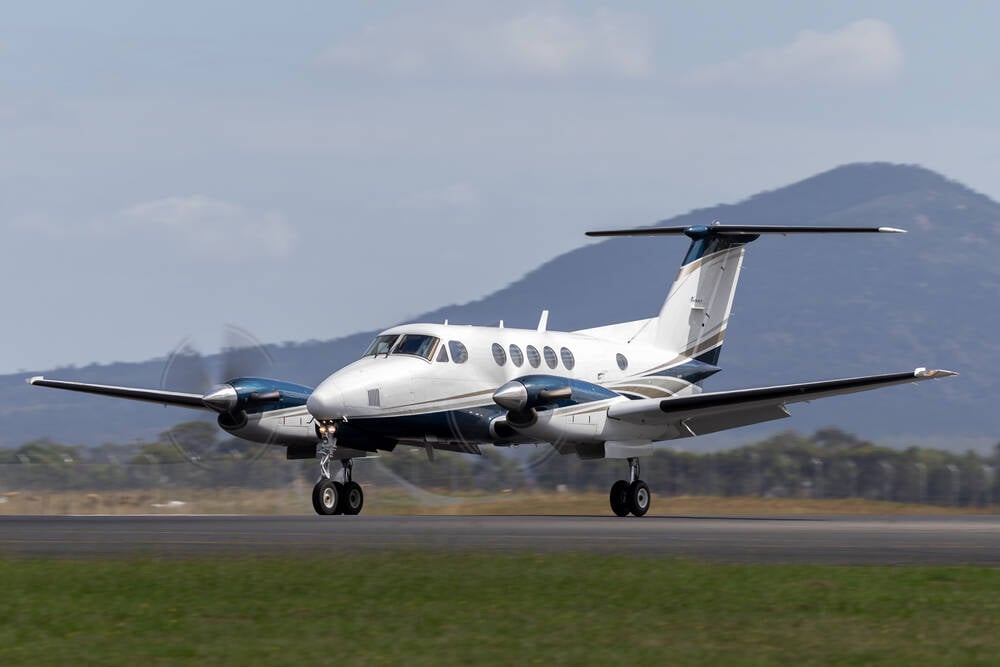
On December 20, a Beechcraft Super King Air B200 diverted to Rocky Mountain Metropolitan Airport (Broomfield, Colorado) and landed under automated control after the aircraft experienced a rapid, uncommanded loss of pressurization. Federal Aviation Administration records indicate the airplane landed safely around 14:20 local time after the pilot lost communication with air traffic control. Garmin’s Emergency Autoland system was activated; operator statements and ATC audio indicate the pilots put on oxygen masks and elected to leave the system engaged. The company and Garmin characterized this as the first full, in‑service use of the Autoland feature. No passengers were aboard; two people were on the flight. Local rescue video shows the two occupants leaving the aircraft on the tarmac. The FAA has opened an investigation into the incident and Garmin and the operator have been contacted for comment.
Why it matters
- Demonstrates a real‑world activation of automated emergency landing technology beyond controlled testing environments.
- Illustrates how safety systems can assume full control during in‑flight physiological or system emergencies.
- Raises regulatory and operational questions about certification, pilot interaction and automated emergency reporting.
- May influence charter operators’ equipment and training choices for aircraft that can use Autoland systems.
Key facts
- Aircraft: Beechcraft Super King Air B200, a twin‑engine turboprop commonly used by charter operators.
- Location: Rocky Mountain Metropolitan Airport (Broomfield, Colorado); ATC audio referenced runway 30R at KBJC.
- Time: FAA reported the airplane landed safely at about 14:20 local time on Saturday, December 20.
- Occupants: Two people were on board; no passengers were aboard according to the operator.
- Cause: The airplane experienced a rapid, uncommanded loss of pressurization; pilots used oxygen masks.
- System action: Garmin’s Emergency Autoland was activated and guided the aircraft to a safe landing.
- Communications: Autoland’s automated message referenced 'pilot incapacitation,' which the operator said led to confusion.
- Evidence: Video from the local fire rescue district shows the two occupants exiting onto the ramp.
- Investigation: The FAA confirmed it is investigating the event.
- Autoland background: The system was released in 2019 and selects landing sites using factors like runway length, distance and fuel range.
What to watch next
- Results and recommendations from the FAA investigation — not confirmed in the source
- Any further technical or public statements from Garmin about the system's performance — not confirmed in the source
- Operator or industry moves on pilot training and Autoland adoption standards — not confirmed in the source
Quick glossary
- Autoland: An automated system that can take full control of an aircraft and fly it to a selected runway to land during an emergency where the pilot is unable to continue flying.
- Pressurization: Control of cabin air pressure to maintain a safe and comfortable environment for occupants as an aircraft changes altitude.
- ATC (Air Traffic Control): Ground‑based controllers who manage aircraft movements in the airspace and on airport surfaces, providing instructions and clearances.
- FAA (Federal Aviation Administration): The U.S. government agency responsible for regulating civil aviation, including safety oversight and accident investigation.
- Beechcraft Super King Air B200: A twin‑engine turboprop business aircraft known for short‑runway performance, seating multiple passengers and certified for single‑pilot operation.
Reader FAQ
Were the pilots incapacitated?
The aircraft's automated message flagged 'pilot incapacitation,' but the operator stated that reports of pilot incapacitation were incorrect and that the pilots deliberately left Autoland engaged.
Were there passengers on board?
No passengers were aboard; two people were on the flight.
Is this the first time Garmin Autoland has been used in a real emergency?
Garmin said this was the first start‑to‑finish use of Autoland in an actual emergency; other reporting described it as appearing to be the first successful use outside testing.
What caused Autoland to activate?
The aircraft experienced a rapid, uncommanded loss of pressurization; the pilots applied oxygen and the system engaged when cabin altitude exceeded prescribed safe levels.
Has the FAA reached any conclusions?
The FAA has confirmed it is investigating the incident; final findings were not provided in the source.
AI + ML 5 Garmin autopilot lands small aircraft without human assistance ATC: 'I don't know if you can hear me but cleared to land' Jude Karabus Wed 24 Dec 2025 // 15:21 UTC…
Sources
- Garmin autopilot lands small aircraft without human assistance
- Plane makes safe emergency landing in Colorado without …
- Small plane lands itself safely with Autoland system in 1st use …
- King Air autolands in Colorado
Related posts
- Cutting the Cord Regret: How Rising Costs and Instability Hurt Streaming
- Samsung Galaxy Tab S11 price cut of $130 addresses its biggest flaw
- Tried switching from Spotify to YouTube Music again — one crucial feature missing