
TL;DR
A Wired piece by Keyu Jin argues that 2026 will mark the start of measurable erosion in the US dollar’s global dominance, as questions about its reliability push countries to seek alternatives. The article links increased use of the dollar as a geopolitical tool to efforts by other states and institutions to build payment and trading mechanisms that bypass it.
What happened
In a Wired article, finance professor Keyu Jin says the US dollar’s position as the preeminent currency for global trade is beginning to fade. Jin predicts that 2026 will be the year when “dollar dilution” — the gradual decline of the dollar’s share in international transactions and reserves — gains momentum. The argument centers on a feedback loop: as Washington deploys the dollar in diplomatic and economic coercion, more countries invest in ways to avoid exposure to it. That erosion is presented as a function of trust and utility; as doubts about the greenback’s reliability spread, its attractiveness for cross-border trade and settlement diminishes. The piece also notes that new, global alternatives to the dollar are appearing, though it does not catalog specific replacement currencies or mechanisms.
Why it matters
- Shifts away from the dollar could change the mechanics of international trade and payment settlement.
- If countries develop reliable alternatives, US ability to influence global finance via dollar-based tools could weaken.
- A decline in reliance on the dollar may prompt businesses and governments to redesign risk management and currency strategies.
Key facts
- Article author: Keyu Jin, professor of finance at the Hong Kong University of Science and Technology and author of The New China Playbook.
- Published in Wired on December 28, 2025.
- Claim: 2026 will be the year when dollar dilution begins to build measurable momentum.
- Core thesis: Greater use of the dollar as an instrument of US policy encourages other countries to find ways to circumvent it.
- The piece states that questions about the US greenback’s reliability are reducing its appeal for global trade and payment.
- The article asserts that new global alternatives to the dollar are emerging, without specifying which ones.
What to watch next
- Whether the predicted acceleration of dollar dilution materializes during 2026 — confirmed in the source.
- Which specific currencies, payment systems, or financial arrangements gain traction as alternatives — not confirmed in the source.
- How governments and private institutions redesign trade and reserve practices in response — not confirmed in the source.
Quick glossary
- Dollar dominance: The US dollar’s role as the primary currency used in international trade, finance and as a reserve asset held by central banks.
- Dollar dilution: A reduction over time in the dollar’s share of global payments, reserves, and trade settlement.
- Sanctions (economic coercion): Use of financial restrictions, asset freezes, or transaction prohibitions by one country or group of countries to influence another country’s behavior.
- Trade settlement: The process and currency used to complete payment for goods and services exchanged across borders.
Reader FAQ
Is the US dollar already losing its reserve status?
The article argues that the dollar’s dominance is eroding and that 2026 may see momentum build, but it does not state that the dollar has lost reserve status.
Why would other countries move away from the dollar?
According to the article, increased use of the dollar as a policy tool and growing doubts about its reliability are pushing countries to develop ways to avoid dependence on it.
Which currencies or systems will replace the dollar?
Not confirmed in the source.
When will meaningful change occur?
The author predicts that 2026 will be the year when dollar dilution starts to build measurable momentum.
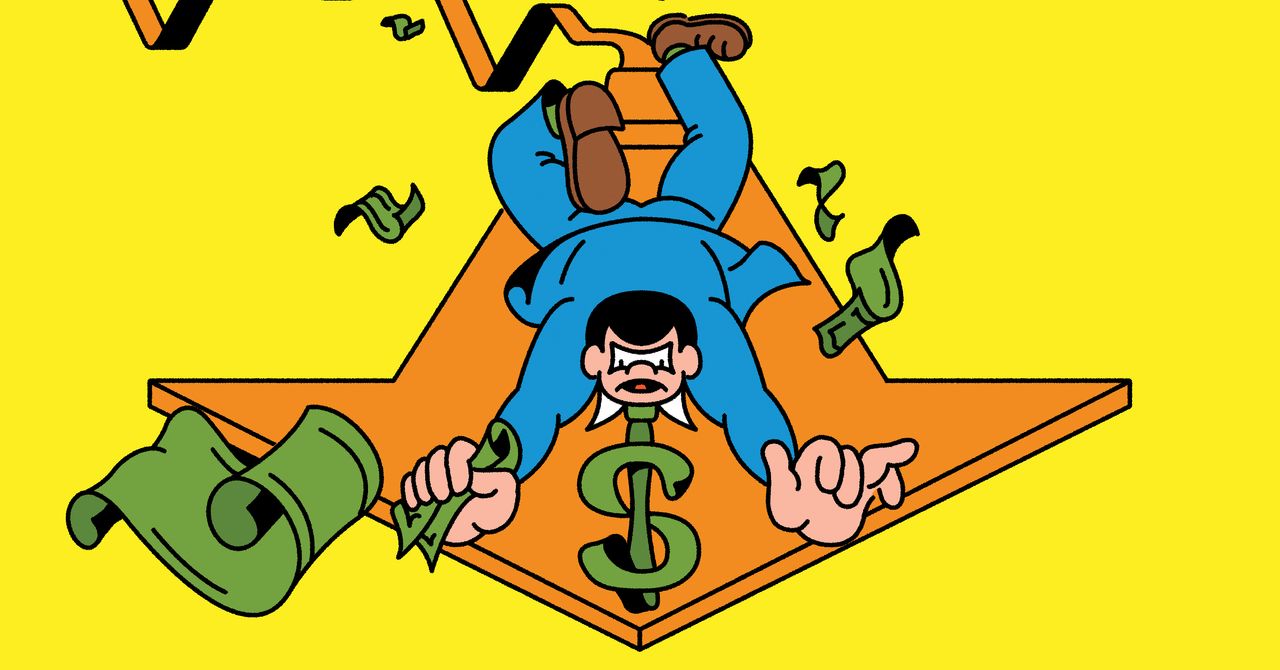
KEYU JIN BUSINESS DEC 28, 2025 5:00 AM The Dollar Is Facing an End to Its Dominance Questions around the reliability of the US greenback are dulling the luster of…
Sources
- The Dollar Is Facing an End to Its Dominance
- De-dollarization: The end of dollar dominance?
- Recalibrating Dollar Dominance in a Shifting Global Order
- US Dollar's Shifting Landscape: From Dominance to …
Related posts
- C++ provides try-finally behavior via destructors, not a finally clause
- Riemann’s Manifold: The Idea That Reframed Mathematics’ View of Space
- Public Domain Day 2026: 1930 Works and 1925 Recordings Enter US Public Domain